The air in Tehran usually tastes of exhaust and saffron, a heavy, dusty mix that clings to the back of your throat. But by Tuesday evening, the city felt like it was holding its breath. In the Tajrish bazaar, the usual cacophony of vendors shouting prices for pomegranates and pistachios had faded into a low, anxious murmur. People weren’t haggling over fruit; they were looking at their watches.
A clock is a dangerous thing when it becomes an ultimatum.
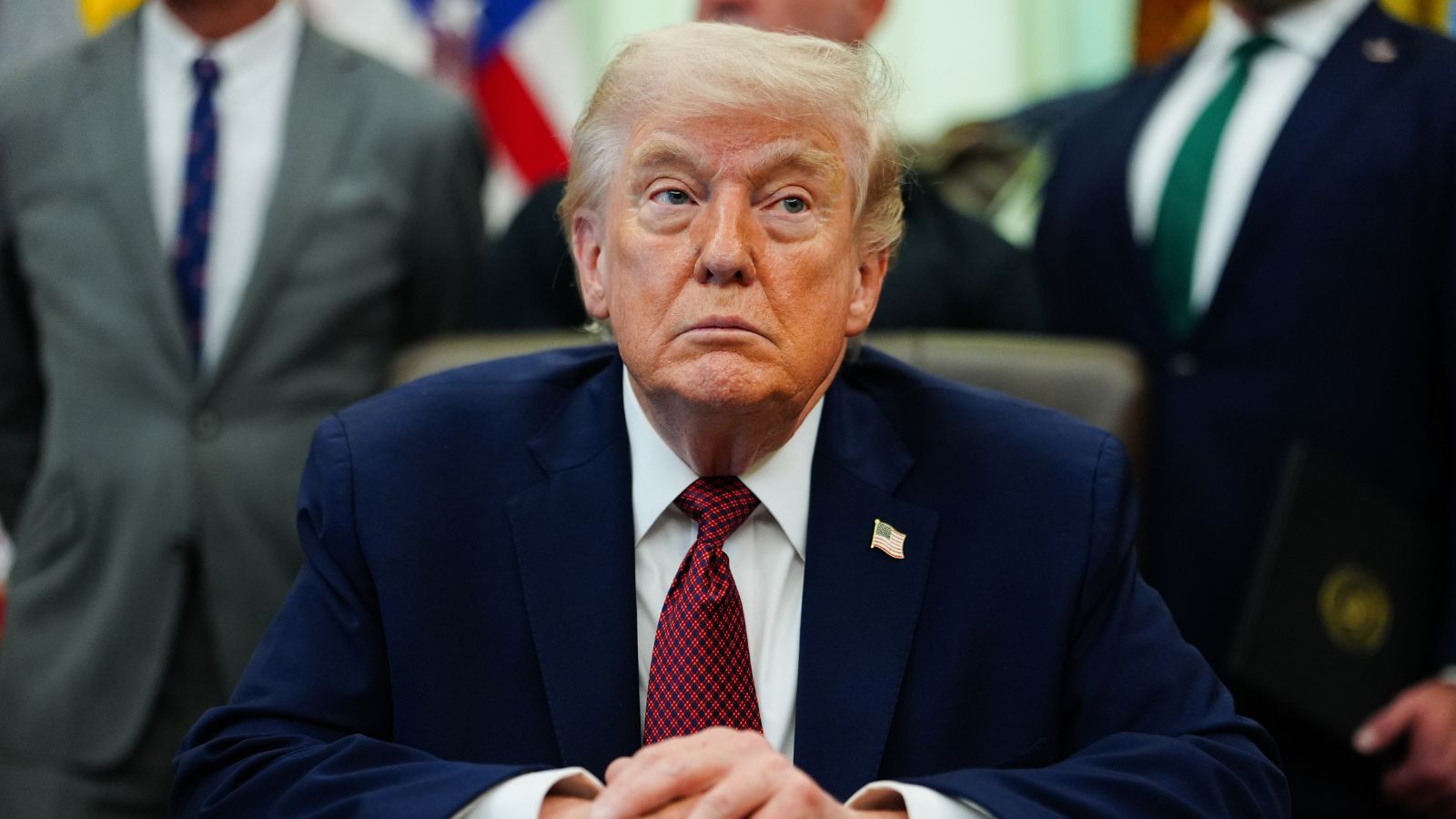
The news had filtered through every smartphone screen and transistor radio across the globe: Donald Trump had set a deadline. Wednesday. If the Iranian leadership didn’t meet a specific set of demands—demands that felt to some like a surrender and to others like a lifeline—the sky would turn to fire. The phrase used was "lots of bombs." It is a blunt, brutal descriptor that strips away the clinical language of "surgical strikes" or "kinetic interventions." It sounds like something a child would say, which makes it all the more terrifying when it comes from the man holding the launch codes.
The Weight of the Zero Hour
Consider a young mother in Shiraz. We can call her Maryam. She isn't a strategist. She doesn't sit in the mahogany-paneled rooms of the Majlis or the gold-leafed offices of the State Department. She is currently wondering if she should fill her bathtub with water. It’s a primal instinct, the kind that kicks in when the abstract geopolitical chess match suddenly moves into your backyard.
The geopolitics of the situation are cold. The United States has long sought to curb Iranian influence in the Middle East and dismantle its nuclear capabilities. The tensions didn't start with a tweet or a press conference; they are rooted in decades of frozen bank accounts, proxy wars, and a fundamental distrust that has become the bedrock of the relationship between Washington and Tehran. But the deadline turned that slow-motion friction into a high-speed collision.
Economics play the villain here, too. For years, the Iranian people have lived under the crushing weight of sanctions. The rial has plummeted, making a simple loaf of bread a luxury for some. When a deadline like this is issued, it isn't just about the fear of a physical explosion. It is the fear that the last remaining threads of a functioning society are about to be severed. If the bombs fall, the currency won't just drop—it will vanish. The medicine for Maryam’s son, currently imported through a complex web of backdoors, will disappear.
History is a heavy ghost. In the United States, military action is often framed as a television event—green-tinted night-vision footage and maps with flashing red dots. But in the Middle East, the memory of war is etched into the architecture. It is seen in the pockmarked concrete of buildings and the empty chairs at dinner tables. For those living under the shadow of the Wednesday deadline, the threat of "lots of bombs" isn't a political statement. It is a sensory memory of smoke and vibration.
The Strategy of the Precipice
In Washington, the atmosphere is different, but no less electric. The strategy here is "maximum pressure," a psychological game played on a planetary scale. By setting a hard date, Trump moved the conflict from the realm of diplomacy into the realm of the immediate. It’s a high-stakes gamble. If the deadline passes and nothing happens, the threat loses its teeth. If the deadline passes and the threat is realized, the world enters a new, unpredictable era of conflict.
Strategic ambiguity is usually the name of the game in international relations. You keep your enemy guessing. You leave room for "off-ramps." But an ultimatum is the death of ambiguity. It is a wall.
Experts in the Pentagon and the State Department spent that Tuesday night running simulations. They looked at oil prices, which spiked the moment the deadline was announced. They looked at the Strait of Hormuz, the narrow chokepoint through which much of the world's energy flows. If Iran feels backed into a corner, their most logical move is to squeeze that chokepoint.
The global economy is a delicate machine, and oil is its blood. Even if a single bomb never falls, the mere promise of them is enough to send ripples through the stock markets in Tokyo, London, and New York. Your retirement fund, your gas prices, the cost of shipping a package—they are all tethered to that Wednesday deadline.
The Silence of the Phone Lines
Behind the scenes, the "Swiss channel" was likely glowing hot. Since the U.S. and Iran have no formal diplomatic ties, Switzerland often acts as the middleman, the neutral ground where messages are passed. Imagine a diplomat in Bern, sitting in a quiet, sterile office, holding a message that could decide the fate of millions. The gravity of that role is immense. Every word is weighed. Every comma is scrutinized for a hidden meaning.
Is there a deal to be made? The Iranian leadership faces an impossible choice. To cave to the deadline is to risk looking weak to their own hardliners, potentially inviting an internal coup or widespread unrest. To ignore the deadline is to risk total destruction.
They are playing a game of chicken with a nuclear-armed superpower that has shown it is willing to walk away from any table.
The human element of the leadership is often ignored. We see them as monolithic entities—"The Regime" or "The Administration." But these are groups of people with their own fears, egos, and internal rivalries. There are those in Tehran who want to talk, who see the deadline as a reason to finally settle the score and rejoin the global community. And there are those who believe that martyrdom is better than submission.
In Washington, the internal debate is just as fierce. Generals argue with advisors. The specter of "forever wars" in the Middle East hangs over every conversation. Nobody wants another Iraq. Nobody wants a conflict that drags on for decades. But the promise was made. The deadline was set.
The Mechanics of the Threat
What does "lots of bombs" actually look like? In modern warfare, it’s not just about explosives. It’s about "effects."
It starts with cyberattacks. Before the first jet takes off, the lights go out. The power grid, the water systems, the communication networks—they are all vulnerable. It’s a way of paralyzing a country without firing a shot. But cyberwarfare is messy. It’s hard to control where the damage stops.
Then come the SEAD missions—Suppression of Enemy Air Defenses. The goal is to blind the opponent. Radar stations are targeted. Anti-aircraft batteries are neutralized. Only then do the heavy bombers move in.
For the person on the ground, the experience is one of total helplessness. You cannot fight a B-2 Spirit flying at fifty thousand feet. You cannot hide from a satellite-guided munition. You can only wait and hope that you aren't near anything "strategic."
But in a modern city, everything is strategic. The bridge you cross to get to work. The factory down the road. The television station. The line between military and civilian infrastructure has become dangerously thin.
The Invisible Stakes
While the world stares at the map of Iran, the real stakes are broader. This isn't just about two countries. It’s about the very idea of international order.
If the ultimatum works, it sets a new precedent for how the world is run. Diplomacy by tweet. Governance by deadline. It bypasses the United Nations, the European allies, and the traditional halls of power. It is a return to a more muscular, unilateral form of power.
If it fails, it signals the end of American hegemony. If a country can ignore a direct threat from the most powerful military in history and walk away unscathed, the world changes overnight. Other nations—North Korea, Russia, China—are watching. They are taking notes on how this plays out.
The silence is what hits you. On Tuesday night, social media in Iran began to quiet down. Not because of a blackout, but because people were spent. There is only so much adrenaline the human body can produce before it shuts down into a state of weary resignation.
In the United States, the news cycle moved on to the next thing, then circled back, then moved on again. It’s easy to treat a deadline like a season finale when you aren't the one living in the blast zone.
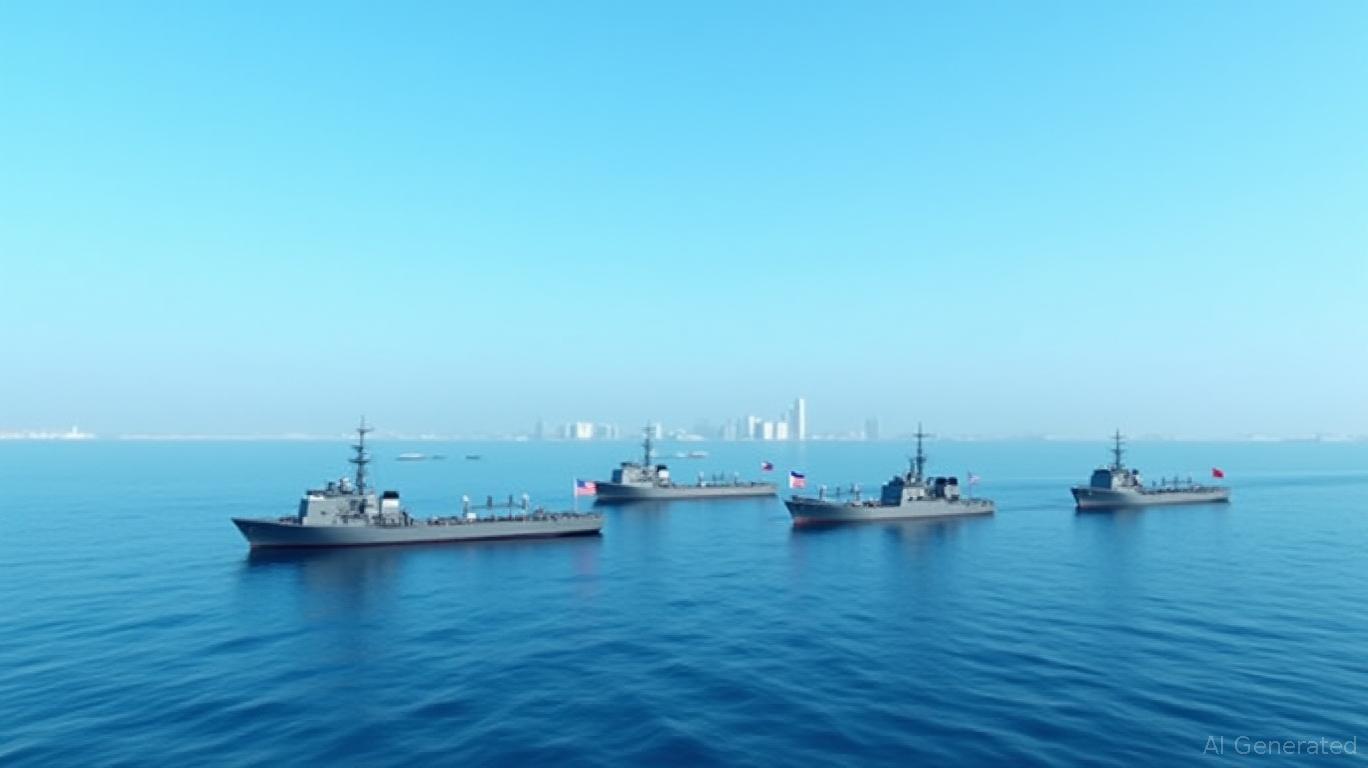
But for the sailor on a destroyer in the Persian Gulf, looking at the radar screen, the stakes are very real. He is nineteen years old. He grew up in a small town in Ohio. He joined the Navy to see the world and get an education. Now, he is the tip of the spear. He is the one who will have to push the button. He isn't thinking about grand strategy or the rial’s exchange rate. He’s thinking about the letter he wrote to his parents.
The Dawn
Wednesday morning doesn't arrive all at once. It creeps across the time zones, starting in the east and moving west like a slow-moving wave.
In Tehran, the sun rises over the Alborz Mountains. The city wakes up. People check their phones. They are still there. The buildings are still standing. The deadline is hours away, or minutes, or has already passed, depending on which clock you’re looking at and how the ultimatum was phrased.
The tension doesn't vanish; it just changes shape. If the deadline passes and the bombs don't fall, the world doesn't go back to normal. The threat remains, hanging in the air like the smell of ozone before a storm. The sanctions are still there. The distrust is still there. The bathtub is still full of water.
We live in an age of the permanent "almost." We are almost at war. We are almost at peace. We are almost out of time.
The "lots of bombs" ultimatum is more than just a military threat. It is a symptom of a world where the old rules have been burned and the new ones haven't been written yet. It’s a world where a single day—a Wednesday—can become a pivot point for history, a moment where the future of millions is condensed into a few hours of terrifying uncertainty.
As the sun climbs higher over Tehran, the traffic begins to move. The shops in the bazaar open their shutters. Life, stubborn and resilient, tries to assert itself. But every person on the street carries the same silent question. Is this the day the world changes? Or is this just another day of waiting for the end of the world?
The clock keeps ticking, indifferent to the fear it creates, marking the seconds until the next deadline, the next ultimatum, and the next time we all have to hold our breath.