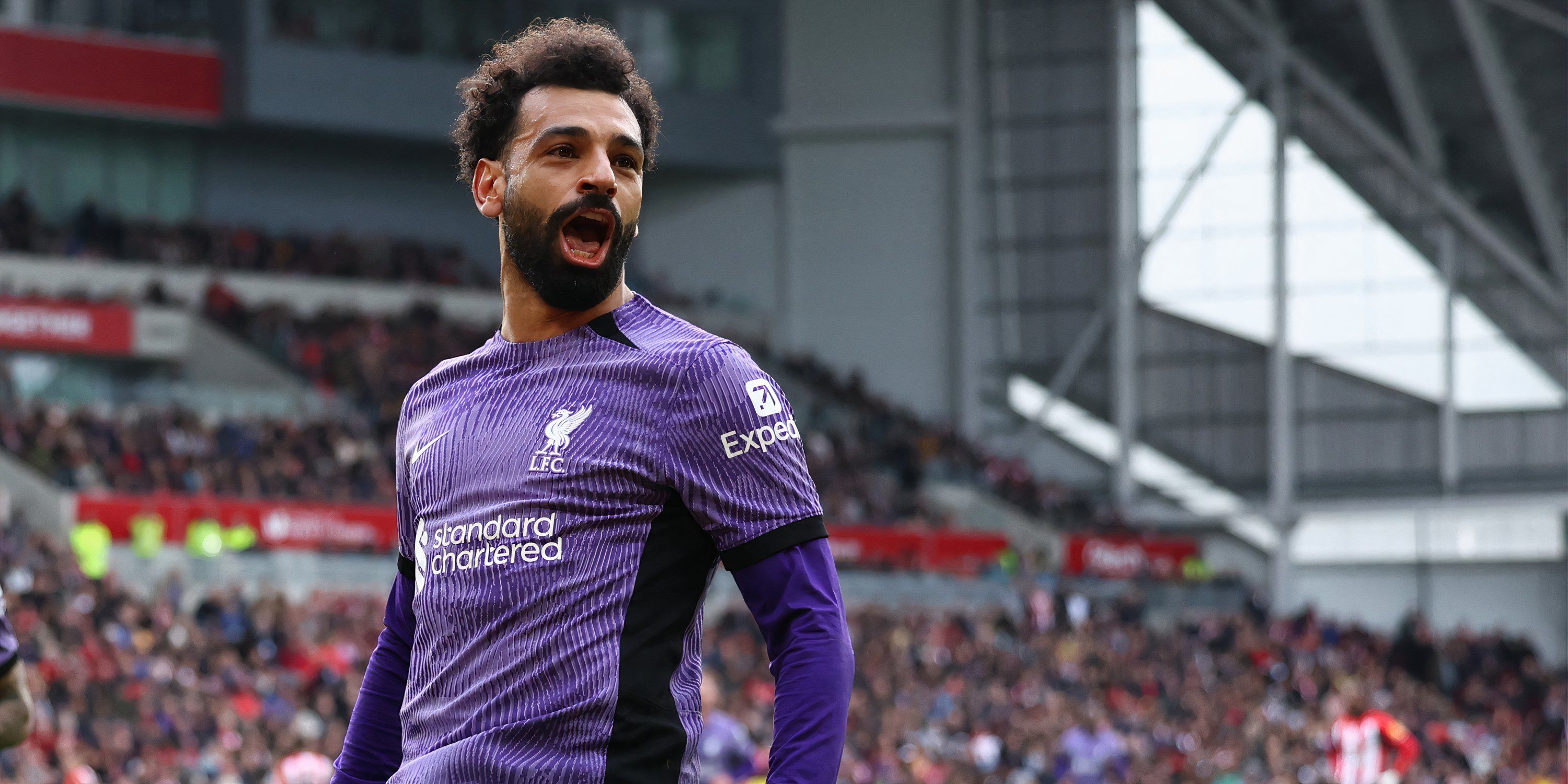
The headlines are weeping. The fans are grieving. The pundits are busy eulogizing a career that isn't even over yet. The narrative is as predictable as a Salah cut-inside: Liverpool is losing its heartbeat, the Premier League is losing its king, and the Fenway Sports Group (FSG) is "cheap" for letting a legend walk.
They are all wrong.
The departure of Mohamed Salah is not a tragedy. It is a mathematical and tactical necessity. If you think keeping a 32-year-old winger on a record-breaking wage structure is the key to a successful transition under Arne Slot, you aren't paying attention to how modern dynasties actually collapse. They collapse because of sentimentality. They collapse because they hold onto the "sure thing" until it becomes an expensive anchor.
The Myth of the Irreplaceable Asset
The loudest argument against Salah leaving is his output. "Who else scores 20+ goals and bags 10+ assists every single year?"
Nobody. That is the point.
When you have a gravitational force like Salah on the right wing, the entire system bends to accommodate him. Every pass looks for him. Every tactical shift is designed to cover his lack of defensive tracking as he ages. You aren't playing "Liverpool football"; you are playing "Salah-ball."
I have seen this movie before in boardroom meetings across European football. A club falls in love with the data of the past and ignores the trajectory of the future. By moving Salah now—or letting his contract expire to clear the books—Liverpool frees up more than just a spot on the pitch. They reclaim their tactical identity.
The "lazy consensus" says you can't replace his goals. Logic says you don't replace them with one person; you redistribute them. When Philippe Coutinho left, the "experts" claimed Liverpool would slide into mid-table obscurity. Instead, they used the capital and the tactical vacuum to build the greatest team in the club's modern history. Salah’s exit is the Coutinho moment of 2026.
The Wage Structure Death Spiral
Let’s talk about the money nobody wants to mention.
Salah is reportedly earning north of £350,000 per week. In the reality of Premier League Profit and Sustainability Rules (PSR), that isn't just a salary; it’s an opportunity cost.
- The Ceiling Effect: When your aging superstar is on astronomical wages, every contract negotiation for a 22-year-old talent starts at a higher baseline.
- The Resale Void: A 32-year-old Salah has zero resale value after this window. You are effectively paying a premium for the decline phase of a career.
- The Squad Depth Tax: That £18 million-plus annual salary buys three elite, hungry, high-pressing prospects who fit Arne Slot’s more controlled, possession-heavy system.
If Liverpool offers Salah a new three-year deal, they are betting that a player who relies on explosive acceleration will remain elite until he is 35. Biology usually wins that fight. Even Cristiano Ronaldo and Lionel Messi had to change their entire profiles to stay relevant at that age. Salah is a physical marvel, but he isn't immune to the slowing of the twitch fibers.
Arne Slot Needs a Blank Canvas
Arne Slot is not Jurgen Klopp. He shouldn't try to be.
Klopp’s heavy metal football was built on the chaos that Salah thrives in. Slot prefers a more structured, positional approach. Keeping Salah forces Slot to play a style that belongs to the previous regime. It’s like buying a sleek, modern electric car but insisting on using the engine from a 1969 Mustang because "it sounds better."
By removing the veteran alpha, you empower the next generation. Darwin Nuñez, Luis Diaz, and Cody Gakpo have spent years deferring to Salah. You cannot see what these players are truly capable of when they are culturally obligated to look for the Egyptian King every time they hit the final third.
Imagine a scenario where Liverpool’s front three is fluid, unpredictable, and—most importantly—defensively active. The high press, which has withered as Salah has been granted "luxury" status to stay forward, can finally be reinstated.
The Saudi Factor: Take the Win
The rumors of a Saudi Pro League move aren't a distraction; they are a gift.
If a bid is on the table, or even if it’s just a massive signing bonus for Salah to move as a free agent, it represents a clean break. Liverpool avoids the "stagnation phase" where a legend becomes a bench player and the atmosphere turns toxic.
We see this in tech all the time. Companies that refuse to kill their "legacy products" eventually get disrupted by hungrier startups. Salah is the legacy product. He is Windows XP—stable, loved, and iconic. But the world is moving to the cloud, and you can’t get there if you’re still carrying the old hardware.
The "People Also Ask" Reality Check
You’ll hear fans asking: "How can Liverpool compete with City without Salah?"
The answer is they can’t compete with City by trying to be a worse version of themselves from four years ago. Manchester City evolves every two seasons. They sold Raheem Sterling and Gabriel Jesus when they were still productive. They shifted their entire structure to accommodate Haaland. They aren't sentimental. If Liverpool wants to catch them, they have to stop acting like a museum and start acting like a predator.
"Isn't losing a leader in the dressing room dangerous?"
Leadership isn't a fixed resource. It’s a vacuum. When the "big dog" leaves, others grow. Virgil van Dijk and Trent Alexander-Arnold are more than capable of holding the standards. In fact, Salah’s departure forces the younger core to stop looking for a savior and start being the solution.
The Brutal Truth
The hardest part of elite sports isn't finding talent; it's knowing when to say goodbye.
FSG is often criticized for their "moneyball" approach, but in this instance, the cold, hard numbers are right. Keeping Salah is the emotional choice. Selling or letting him walk is the winning choice.
You don't win trophies by rewarding past performance. You win them by anticipating future value. Salah’s value to Liverpool has peaked. Every day he stays beyond this season, that value diminishes—tactically, financially, and structurally.
Stop mourning the end of an era and start demanding the beginning of the next one. The King is dead. Long live the team.
Go ahead. Call me cynical. Tell me I don't understand "pashun." Then check the league table in eighteen months when a revitalized, balanced Liverpool is lifting silverware while Salah is playing exhibition matches in the desert.
The most successful exit strategies are the ones that happen one year too early, rather than one day too late.