A lithium-ion laptop battery does not merely burn. It chemically consumes itself, reaching temperatures exceeding 1,000 degrees Fahrenheit in seconds while generating its own oxygen supply to fuel the destruction. When an electronic device experiences thermal runaway at 35,000 feet, the margin between a routine flight and a catastrophic cabin fire shrinks to zero.
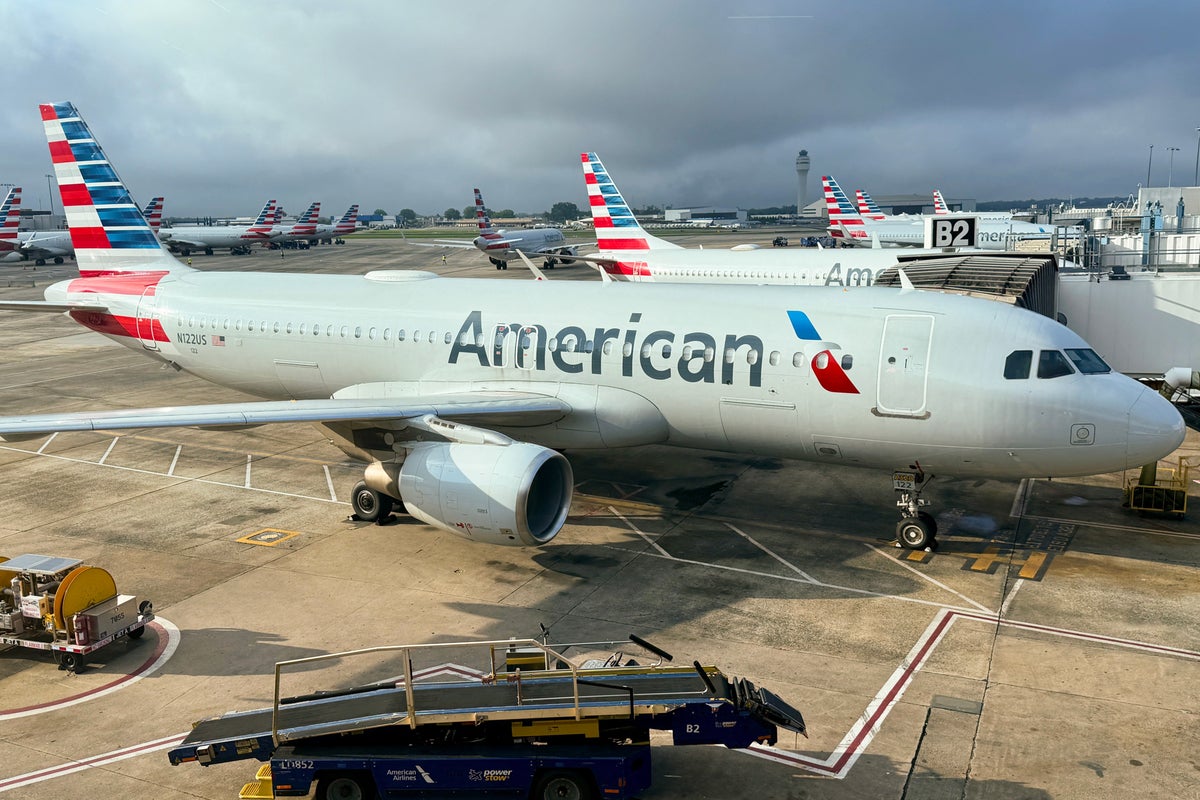
A recent incident aboard an American Airlines flight, where a passenger laptop caught fire and injured multiple individuals, laid bare a vulnerability that commercial aviation has managed for years through strict containment protocols and plain luck. Passengers packed into metal tubes thousands of feet in the air are essentially sharing space with volatile energy storage units. The commercial aviation sector faces a mounting crisis regarding lithium-ion batteries. Regulatory bodies, major carriers, and frequent flyers are caught in a reactive cycle that struggles to keep pace with consumer electronics power demands. Meanwhile, you can find similar events here: The Anatomy of Extreme Thermal Failure Death Valley Physics and Survival Mechanics.
The Chemistry of Cabin Chaos
Every modern laptop, tablet, and smartphone relies on lithium-ion chemistry. These power cells pack immense energy into remarkably small footprints. That high energy density creates an inherent hazard.
Inside each battery, a microscopic porous plastic separator keeps the cathode and anode apart. If this separator fails due to manufacturing defects, physical damage, internal short-circuiting, or extreme heat, the consequences turn violent. Energy discharges rapidly, heating the cell. This triggers a chain reaction known as thermal runaway. Adjacent cells reach their critical temperature, cascading through the entire battery pack. To understand the complete picture, we recommend the excellent article by The Points Guy.
Traditional fire extinguishers smother flames by starving them of oxygen. Lithium-ion fires laugh at standard suppression techniques because the chemical reaction produces its own oxidizer. Pouring water on the blaze or using a standard cabin extinguisher might cool the exterior momentarily, but the internal chemistry continues to feed the fire until every ounce of active material is spent.
Flight crews train extensively for these exact scenarios. Cabin crew members carry specialized thermal containment bags designed to isolate the burning device and high-temperature fire blankets. Yet, the physical reality of a smoke-filled cabin corridor during a rapid fire event involves blinding thick white vapor, panic among passengers, and limited physical space to operate.
Regulatory Gaps and the Checked Baggage Paradox
Airlines enforce strict rules prohibiting spare lithium-ion batteries and power banks from checked baggage. This mandate exists for a rational reason. If a battery ignites in the cargo hold, it is out of human reach. An automated suppression system might not extinguish a self-sustaining lithium fire before structural damage occurs to the aircraft frame.
Consequently, travelers must carry these devices in the passenger cabin where flight attendants can deploy containment measures immediately.
This policy creates a different paradox. Cabin storage spaces, particularly overhead bins and under-seat areas, are packed tight. When laptops slide into tight crevices or get crushed beneath heavy luggage or reclining seats, physical stress is applied to internal lithium cells. A battery housing compromised by a heavy metal seat frame or a rigid suitcase zipper sets the stage for a delayed thermal runaway event hours later, or mid-flight.
Furthermore, consumer demand for faster charging has driven manufacturers to push batteries to their absolute physical limits. Thinner laptops mean tighter internal spacing. Less physical buffer exists between individual cells. A slight drop onto a terminal floor during security screening can fracture internal components without showing external surface damage. The device works fine until the ambient cabin pressure changes or the processor draws heavy current, sparking a catastrophic failure at cruising altitude.
The Passenger Burden
Expecting flight attendants to double as hazardous materials handlers is an unsustainable strategy for the modern airline industry. Cabin crews already shoulder immense safety responsibilities, ranging from medical emergencies to unruly traveler management. Asking them to locate, extract, and safely bag a violently smoking device in a darkened cabin filled with hundreds of panicked people pushes human limits.
Travelers must adopt a proactive security mindset regarding personal electronics. Packing a laptop requires more than slipping it into a padded sleeve.
- Inspect power devices for physical warping, swelling, or unusual heat retention before packing them for any trip.
- Keep high-capacity power banks and spare cells in accessible carry-on compartments rather than wedged deep inside overpacked luggage.
- Notify a flight attendant immediately if a device slips down the side of a passenger seat and becomes trapped, rather than moving the seat mechanism blindly and risking a battery puncture.
Airlines must also reconsider how they handle damaged electronics onboard. Relying solely on containment bags after a fire starts is a defensive posture. The industry needs better diagnostic protocols at airport security checkpoints to screen for structurally compromised batteries before they cross the boarding gate.
As energy density demands climb and electronic devices become more integrated into daily travel, the sky will remain a challenging environment for volatile chemistry. Ignoring the structural risks of portable power sources invites disaster. The next cabin fire is not a question of if, but when, unless the aviation ecosystem changes its approach to the lithium threat.