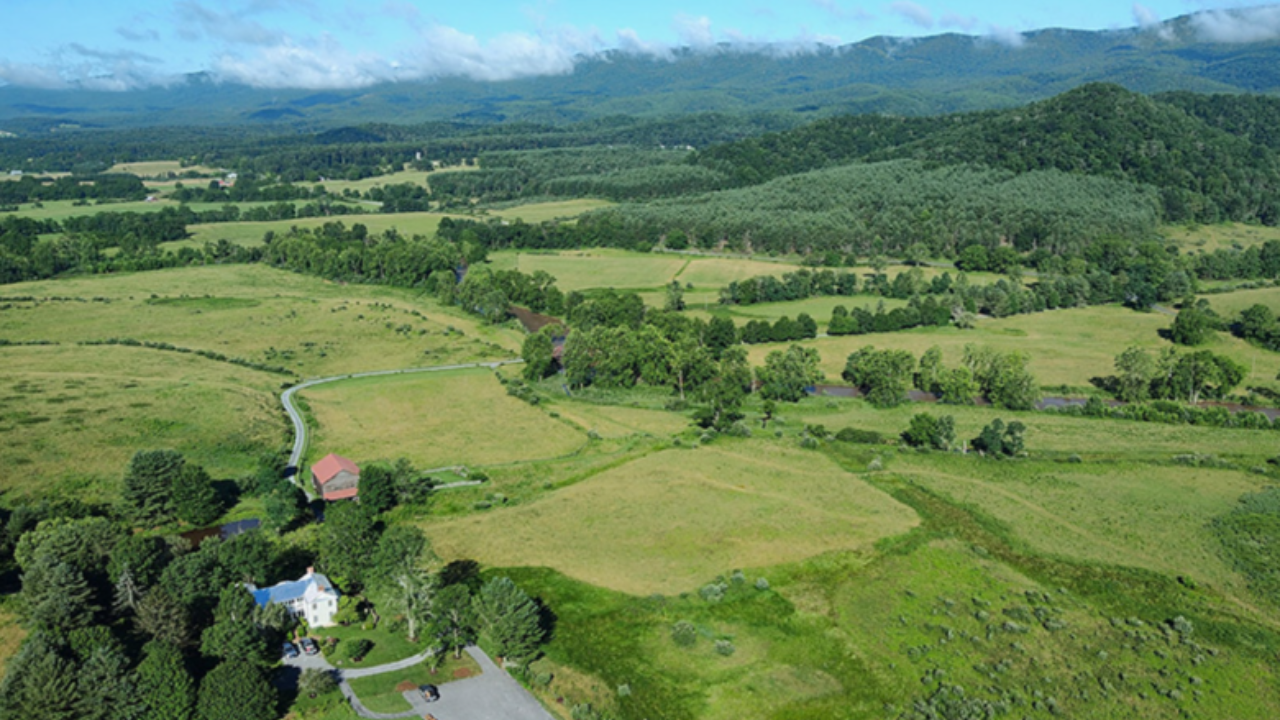
The internet loves a cheap outrage cycle. Hand over a headline about a government bureaucracy spending taxpayer money, letting prime waterfront dirt sit behind locked gates for twenty-one years, and folding it into a thirty-year paperwork exercise, and the pitchforks come out automatically. Commenters whine about wasted tax dollars, sluggish state planning, and bureaucratic incompetence.
They are missing the entire point.
That 431-acre parcel of Gloucester County waterfront land sitting dormant along the York River since its 2005 acquisition isn't a failure of governance. It is a quiet, accidental triumph of long-term asset protection. While armchair critics scream for parking lots, paved trails, and food truck hookups, the greatest service the state of Virginia performed for those acres was doing absolutely nothing to them at all.
The Cult Of Immediate Utility Is Destroying Natural Capital
Modern land management suffers from an acute attention deficit disorder. The moment a public entity acquires property, politicians feel an immediate, desperate urge to cut ribbons, erect swing sets, and drive asphalt into the earth to prove value to voters. If a tree falls in a forest and nobody pays a five-dollar parking fee to look at it, did the government even perform its job?
That mindset treats nature as a passive amenity waiting for human curation. Look at what happened when the state finally built Machicomoco State Park next door in 2021. It brought in over 110,000 annual visitors by 2023, complete with yurts, boat ramps, and educational centers. That is fine for public recreation, but recreational foot traffic carries a heavy ecological toll. Soil compaction, shoreline erosion, invasive species seed-banking on hiking boots, and wildlife displacement follow every single paved path and footbridge.
By leaving the original 2005 purchase locked behind a gate for two decades, Virginia accidentally created a biological control group. While surrounding areas experienced habitat fragmentation and suburban creep, those 431 acres of former Powhatan confederacy land and colonial Rosewell plantation acreage functioned as an undisturbed ecological sponge.
When you buy real estate in high-growth corridors, the clock is ticking. Land banking is not a bureaucratic error; it is the only defensive strategy left against total habitat loss.
The Financial Illogic Of Rushing Development
Critics point to the newly approved 30-year master plan by the Virginia Department of Conservation and Recreation with cynical exhaustion, noting that Phase 1 carries a price tag of over seven million dollars and zero state funds have actually been allocated. They view a 30-year timeline as a joke.
Flip the perspective. A 30-year horizon is fiscal discipline.
Imagine a scenario where the state had rushed to develop that waterfront in 2005 using peak-bubble construction financing, slapped together a poorly designed park layout, and locked themselves into maintenance liabilities during an economic crash. Public agencies routinely build infrastructure they cannot afford to maintain. The deferred maintenance backlog across American state parks sits in the billions of dollars because officials build first and think about operational budgets never.
Stalling development until a unified master plan could absorb it alongside the adjacent Timberneck property acquired in 2017 prevents redundant spending. Absorbing the parcel as the "Western Unit" of Machicomoco under a phased blueprint means administrative overhead, ranger patrols, and maintenance facilities are shared rather than duplicated. Patience saved taxpayers millions in redundant administrative bloat.
What The Public Gets Wrong About Access
The loudest complaint is always the same: We paid for it, so we should be allowed to walk on it right now.
This assumes public ownership equates to an unmitigated right to immediate recreational consumption. That logic treats nature like a public utility park bench. Unrestricted human access is frequently the fastest way to degrade the very asset people want to enjoy. Unmanaged waterfront property undergoes rapid shoreline degradation, illegal dumping, and ATV scarring.
I have watched municipalities rush to open acquired lands prematurely, only to spend triple the acquisition cost ten years later trying to remediate eroded banks, eradicate invasive flora, and rebuild washed-out access roads. Keeping land locked up until a comprehensive framework establishes clear boundaries, sensitive habitat protections, and sustainable infrastructure is a feature, not a bug.
The master plan outlines a slow, methodical integration: basic safety and trail marking first, followed decades later by low-impact structures. If it takes thirty years to get a fishing pier, so be it. Trees grow slower than municipal budget cycles.
The Real Scandal Is That We Do Not Bank More Land
If you want to be angry about state land acquisition policies, do not get mad that a parcel sat empty for twenty-one years. Get mad that it is the exception rather than the rule.
Most state agencies are forced into reactionary conservation, scrambling to preserve scraps of land only after developers have bulldozed everything else. Proactive land banking—buying acreage before it is needed, letting it sit, healing it, and protecting it from the market—is the single most effective conservation tool in existence.
Virginia didn't bungle the Middle Peninsula State Park project. They played a multi-decade game of chess while everyone else was playing checkers with bulldozers. Stop demanding instant entertainment from every square foot of dirt the public owns. Sometimes the best thing a government can do with a piece of land is to buy it, lock the gate, throw away the key, and walk away for twenty years.


