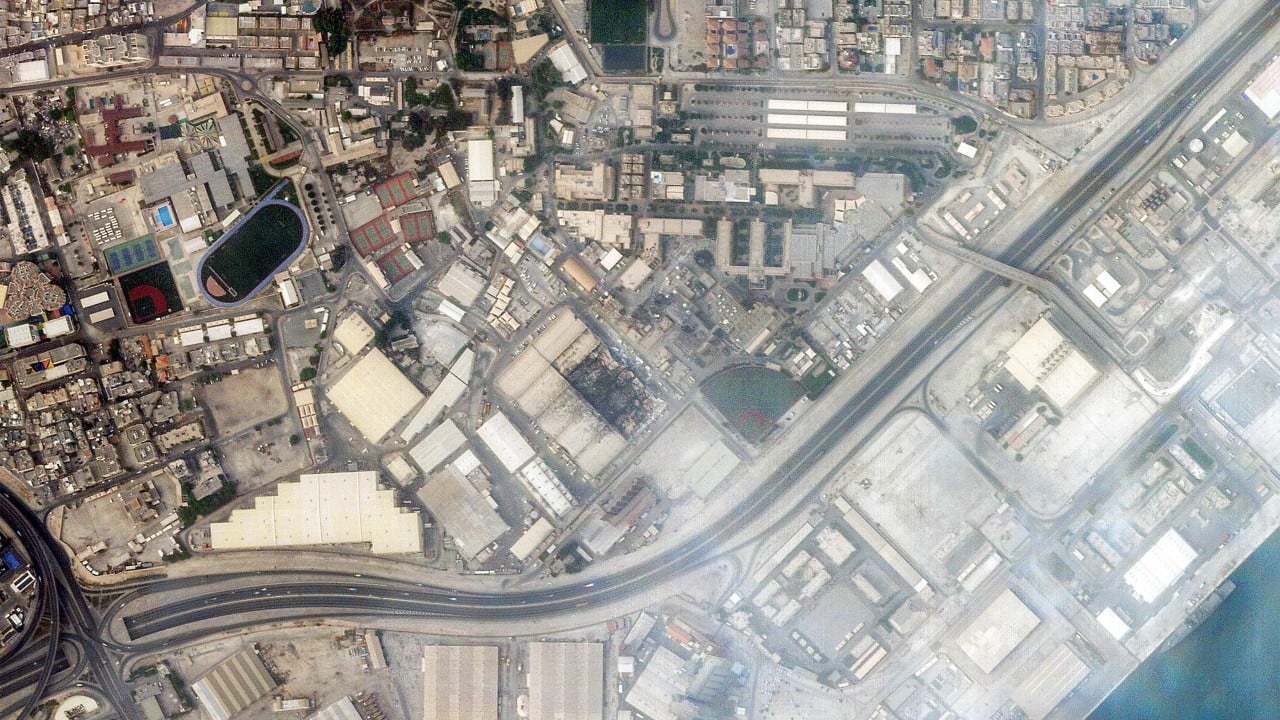
The air inside the reinforced perimeter always smelled of the same things: baked concrete, pulverized desert dust, and the sharp, chemical tang of aviation fuel that never quite washed out of anyone’s nostrils. It was four in the morning, and Sergeant Miller was watching the small blue light of a coffee maker pulse in the gloom of a modular workstation. He had sixteen months left on his enlistment, a stack of worn paperback thrillers on his makeshift desk, and a quiet, persistent ringing in his left ear from a mortar attack two deployments ago.
Outside those blast walls, the map of the region was changing. Not through treaties or handshakes, but through a cold, grinding math of attrition that rarely makes the evening news.
When people talk about modern conflict, they tend to picture the dramatic flash—the streaking projectile cutting through a midnight sky, the sudden concussive roar that rattles teeth. But the real story of the shadow war between the United States and Iran is not written in the pyrotechnics. It is written in supply ledgers, insurance adjustments for shipping lanes, the frantic scramble for interceptor missiles, and the quiet wear and tear on young bodies running on four hours of sleep.
Consider what happens long before a siren wails.
In a windowless room half a world away from the dust of the Middle East, a logistical planner stares at a spreadsheet that looks remarkably mundane. It lists inventory numbers for Patriot missile batteries, THAAD interceptors, and high-tensile steel reinforcements for bunker roofs. Each line item has a price tag that reads like a municipal budget for a medium-sized city. An interceptor missile does not roll off an assembly line overnight. It requires rare earth minerals, precision microelectronics, and a delicate, meticulous hand assembly process that cannot easily be automated or rushed.
When a barrage of drones or ballistic missiles arcs toward a coalition base, the arithmetic of the engagement is brutal. A low-cost, mass-produced loitering munition built for a fraction of a legacy price forces the deployment of a countermeasure that costs millions. Multiply that exchange over dozens of skirmishes, hundreds of alerts, and years of localized friction, and you begin to see the true vulnerability. It is not just about holes punched in concrete. It is about the drainage of a strategic reserve.
The cost of epic fury is measured in depletion.
Back at the base, the siren finally goes.
It is not cinematic. It is a harsh, mechanical whine that cuts straight through bone. Miller does not panic; familiarity breeds a grim, numb efficiency. He grabs his helmet and flak jacket, moving with the practiced muscle memory of a man who has run this exact drill in the dark more times than he can count. In the bunker, the space is cramped, smelling of sweat and damp wool. Someone is tapping a heavy boot against the floor, a nervous, repetitive rhythm.
Nobody speaks. They just listen to the dull thud of intercept systems punching through the atmosphere outside, a sound like heavy furniture being dropped on a floor overhead.
That is the human element that gets lost in the abstraction of geopolitical briefs. It is the steady erosion of nerve. It is the mechanic who has worked twenty-four hours straight to patch a fractured rotor blade on a transport helicopter, knowing that the next mission goes out at dawn. It is the family three thousand miles away staring at the blinking blue dot of a location tracker on a smartphone, wondering why the text messages have stopped coming for the last twelve hours.
The strategic ledger of this ongoing standoff extends far beyond the perimeter fence. Every time a regional proxy launches a salvo toward a shipping container vessel or a surveillance outpost, the ripple effect reaches gas pumps in Ohio and supermarket shelves in Oregon. Global commerce is a nervous system. Touch one nerve ending in the Strait of Hormuz, and the whole beast spasms. Insurance rates for commercial tankers skyrocket. Vessels reroute, adding weeks to voyages, burning extra bunker fuel, and driving up the baseline cost of everything from grain to electronics.
We have engineered a global economy built on the assumption of uninterrupted transit, yet we subsidize that peace with an ever-thinning veneer of military hardware and exhausted personnel.
There is a dangerous illusion in precision weaponry. We are told that technology keeps us safe, that smart munitions and remote tracking systems allow us to wage war with surgical cleanliness, keeping our footprints small and our casualties near zero. But technology does not erase gravity. It just shifts the burden. It transfers the cost from the battlefield to the balance sheet, and from the balance sheet to the quiet, frayed nerves of the people tasked with maintaining the machinery of deterrence.
History is rarely changed by a single decisive blow. More often, it is shaped by endurance. It belongs to the side that can absorb the economic drag, manufacture the next batch of interceptors before the stockpile hits zero, and keep its alliances from fraying under the strain of chronic anxiety.
The coffee maker clicks off. The all-clear sounds outside, a long, low drop in pitch that signals the end of another drill, another close call, another notch on a silent tally.
Miller steps back out into the pre-dawn heat. The desert air is already starting to bake, promising another day of heavy uniforms, endless checks, and the quiet, watchful waiting that defines an era of perpetual friction. Far away, in capitals and corporate boardrooms, the debate over strategy continues. But out here, beneath the vast, indifferent expanse of the sky, the true price is paid one ticking second at a time.