The Ceasefire Illusion
The mainstream media is currently obsessed with a "gap" in the ceasefire negotiations. They look at the recent statements regarding a potential Gaza deal and recoil in shock that Lebanon remains a target. They call it a contradiction. They call it a failure of diplomacy.
They are wrong. Expanding on this theme, you can also read: Structural Mechanics of National Security Escalation: Deconstructing the UK Severe Threat Level.
The assumption that a regional conflict must be solved with a single, sweeping "grand bargain" is the kind of academic laziness that gets people killed. Analysts are treating the Middle East like a game of checkers where jumping one piece removes all others from the board. In reality, it is a multi-dimensional mess where the friction in the north is the only reason there is any movement in the south.
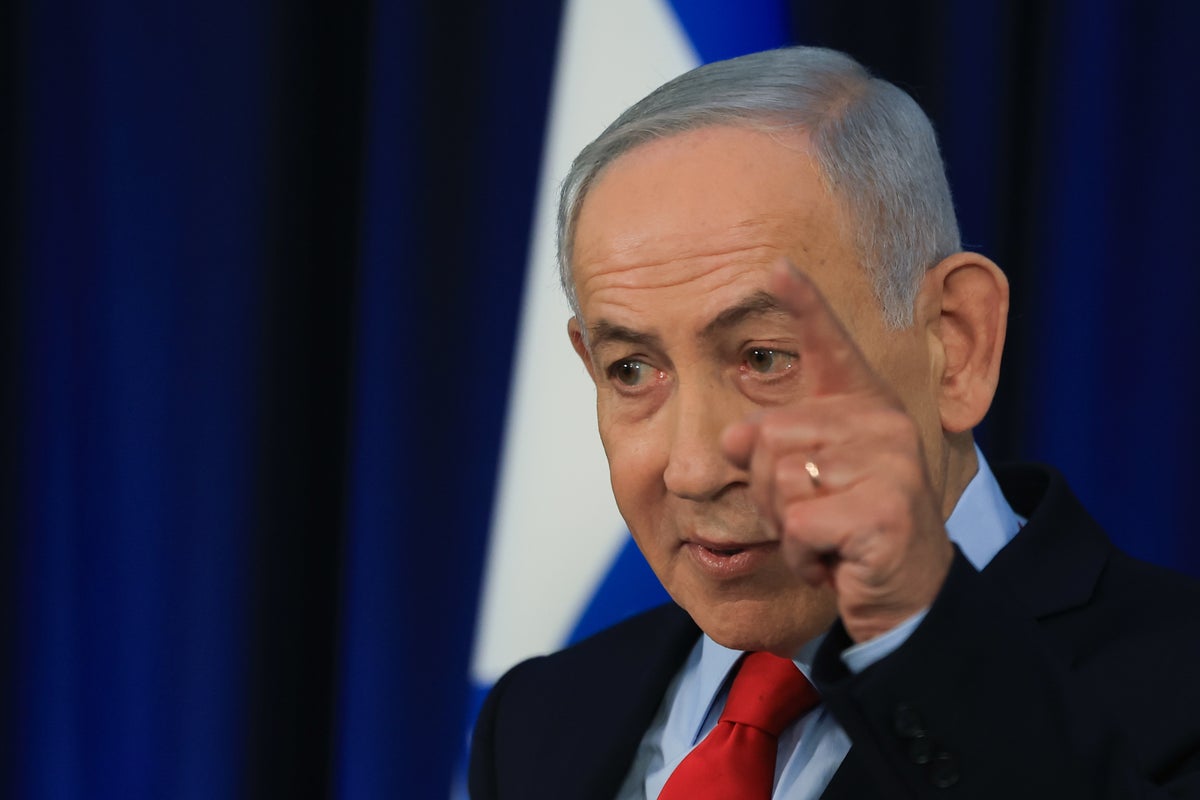
Netanyahu isn't "missing" Lebanon from the deal. He is intentionally isolating the theaters to ensure that the pressure on Hezbollah remains a separate, higher-stakes lever. If you bundle everything into one document, you give every proxy group a veto over the entire region’s stability. That is a strategic death trap. Analysts at USA Today have provided expertise on this situation.
The Myth of the Unified Front
For months, the "lazy consensus" has been that Hezbollah and Hamas are a monolithic "Axis of Resistance" that will only stop if a global "Stop" button is pressed. This narrative serves the interests of those who want to see Israel restrained on all fronts simultaneously, but it ignores the brutal reality of localized deterrence.
Decoupling Lebanon from Gaza is a deliberate surgical strike on the diplomacy of the region. By treating them as separate entities, the Israeli security cabinet is forcing a realization: the "unity of the arenas" is a bluff.
When people ask, "Why can't we just have a comprehensive regional peace?" they are asking the wrong question. The right question is: "Why would any sovereign nation allow a secondary terror group to hide behind the skirts of a primary negotiation?"
Integrating Lebanon into a Gaza ceasefire would essentially reward Hezbollah for their unprovoked rocket fire since October 8th. It would signal that you can start a secondary war and then get a free pass the moment the primary conflict enters a lull. That isn't peace. It is an invitation for every minor militia to start their own fire, knowing the fire department will eventually put out all of them at once.
Deterrence Is Not a Negotiable Commodity
I have spent years watching diplomats trade away long-term security for short-term headlines. They want the "win" of a signed paper today, even if it guarantees a bigger war tomorrow.
The current strikes in Lebanon are not "complications" to a deal. They are the deal's backbone. Without the credible threat of total escalation in the north, there is zero incentive for the regional players to lean on Hamas to release hostages. Pressure is a fluid; if you don't keep it high in one area, it drops everywhere.
- The Gaza Trap: If Israel stops in Lebanon because of a Gaza ceasefire, Hezbollah keeps its Radwan forces on the border, and the northern residents of Israel never go home.
- The Buffer Reality: A ceasefire that doesn't push Hezbollah back to the Litani River is just a regrouping period for the next October 7th-style massacre.
The "experts" on cable news keep talking about "de-escalation." De-escalation is a word used by people who don't have to live within range of Kornet missiles. In the real world, you don't de-escalate with an entity that has 150,000 rockets pointed at your nurseries. You either deter them or you dismantle them. There is no third option involving a clever subcommittee in Cairo.
The Cost of the "Clean" Deal
Let’s be brutally honest about the downside of this contrarian approach. Yes, it means the war continues. Yes, it means more casualties and more economic strain on the Israeli state.
But the alternative—the "comprehensive deal"—is a slow-motion suicide pact. History is littered with "comprehensive" agreements that were actually just pauses for breath. Look at the 1990s. Look at the aftermath of 2006. Every time we tried to "stabilize" the region through broad concessions, the instability just grew more sophisticated.
The current strategy of keeping Lebanon out of the Gaza framework is an admission of a hard truth: you cannot solve a three-front war with one signature. You have to break the links. You have to show Hezbollah that their fate is not tied to Gaza’s survival, but to their own choices on the northern border.
Stop Asking for a Solution and Start Demanding a Result
The search for a "solution" is the greatest distraction in modern geopolitics. Solutions are static. Results are dynamic.
The result we need is the return of the hostages and the permanent displacement of terror infrastructure from the borders. If achieving that result requires a deal in Gaza while simultaneously increasing the kinetic pressure on Beirut, then that is the only moral path forward.
To those complaining that the "ceasefire doesn't include Lebanon": good. It shouldn't.
If you want the rockets to stop in the north, talk to the people firing them. Don't expect a deal made in a tunnel in Rafah to fix a problem in the mountains of southern Lebanon. That’s not how geography works, and it’s certainly not how war works.
The era of the "Grand Bargain" is dead. Welcome to the era of the Brutal Partition.
Accept the reality that the North and the South are two different wars, requiring two different ends, and two different sets of consequences. Anything else is just wishful thinking disguised as foreign policy.
Stop looking for the exit sign and start looking at the map. The map says Lebanon is its own problem. It’s time we treated it like one.