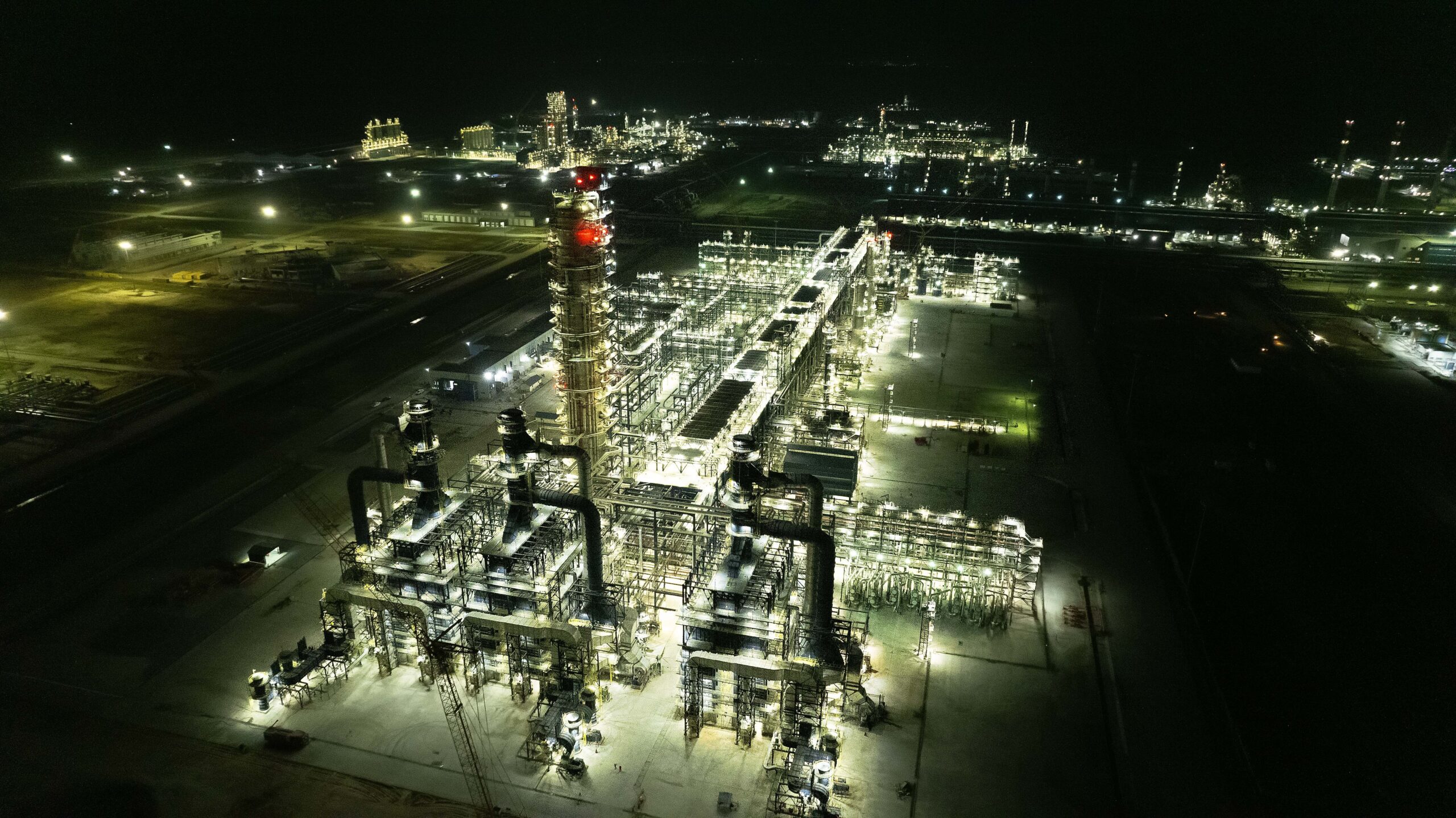
The ink on the US-Iran ceasefire agreement was barely dry when the horizon off the Persian Gulf turned a violent orange. For those watching the geopolitical chess match from afar, the news of the Lavan refinery blaze felt like a glitch in the narrative. We were told tensions were cooling. We were told the diplomatic path was finally clear. Then, a massive industrial disaster happens on a strategic island right in the middle of the world’s most sensitive shipping lane.
It’s easy to dismiss a refinery fire as a technical failure or a stroke of bad luck. But in this part of the world, nothing happens in a vacuum. The Lavan refinery blaze has continued for hours, defying early reports that it would be contained quickly. This isn't just about a damaged facility or lost barrels of oil. It’s a stark reminder that physical infrastructure doesn't care about diplomatic handshakes.
The Reality of the Lavan Island Inferno
Lavan Island isn't just some random rock in the Gulf. It’s a critical hub for Iran’s offshore oil operations, specifically the Salman field. When a fire breaks out here, it’s a logistical nightmare. You can’t just drive a fire truck from the next town over. Everything—equipment, foam, specialized personnel—has to be ferried or flown in.
The fire reportedly started in one of the primary processing units. Witnesses described a sound like a jet engine before the smoke column became visible from the mainland. While official state media initially downplayed the severity, the duration of the burn tells a different story. If you’ve ever been near a petrochemical fire, you know they don't just "go out." They eat through seals, bypass shut-off valves, and turn steel into wet noodles.
What’s truly striking is the timing. Hours after a ceasefire is announced, one of your most valuable economic assets goes up in flames. It puts the Iranian government in a tough spot. If they claim it was sabotage, they risk blowing up the very ceasefire they just signed. If they claim it was an accident, they look like they can't manage their own backyard.
Why Ceasefires Don't Fix Crumbling Infrastructure
One thing the mainstream reports usually miss is the "maintenance debt" Iran has been carrying for years. Decades of sanctions haven't just hurt the economy; they've starved refineries of spare parts and modern safety systems. You can't run a 21st-century energy sector on 1970s hardware forever.
I’ve seen this pattern before. A country under pressure pushes its equipment to the limit to keep the revenue flowing. They skip the scheduled shutdowns. They patch leaks with hope and duct tape. Eventually, something gives. The Lavan refinery blaze is likely the result of this exact kind of systemic stress.
- Age of the facility: Much of the infrastructure on Lavan dates back decades.
- Pressure to produce: Iran needs every drop of oil to stabilize its currency.
- Lack of tech: High-end fire suppression systems often rely on Western components that are hard to source.
When you sign a ceasefire, the political tension drops, but the physical pressure in the pipes stays the same. The fire doesn't care that the diplomats are back at their hotels. In fact, the sudden shift in political focus can sometimes lead to a lapse in local security or operational oversight.
The Strategic Importance of Lavan Island
To understand why this fire matters, you have to look at the map. Lavan is the second-largest terminal in the Persian Gulf after Kharg Island. It’s the gateway for crude coming from the Salman, Reshadat, and Belal fields. If this refinery stays offline or the export terminal is affected, it ripples through the entire regional energy market.
It’s not just about Iranian oil. The proximity to the Strait of Hormuz means any major incident here gets the attention of global markets immediately. We saw oil prices twitch the moment the first photos of the smoke hit social media. Even with a ceasefire in place, the market is jumpy. They’re looking for any excuse to bet on volatility.
The Lavan refinery blaze is a "canary in the coal mine" for the state of the region’s industrial health. If one of their most isolated and guarded facilities can catch fire and stay burning for hours, what does that say about the rest of the network?
Debunking the Sabotage Theory
The internet is already full of people claiming this was a "parting shot" or a "hidden operation." Let's be real. If you’re the US or Israel and you’ve just agreed to a ceasefire, the last thing you do is blow up a refinery on an island. That’s not how these games are played. You don't hand someone a peace treaty and then light their house on fire two hours later—at least not if you want the treaty to last more than a day.
It's much more likely that this was a result of the "restart" phenomenon. When refineries anticipate a change in export volume or a shift in operational tempo due to new political realities, they often tweak their output. These shifts are when accidents happen. A valve that hasn't been turned in three years suddenly has to move. A pump that was running at 60% is pushed to 90%. That’s when things break.
What Happens When the Smoke Clears
The immediate priority is containment, but the long-term issue is the recovery. Iran is going to need to prove that it can handle its internal affairs without the world thinking it's falling apart. They’ll likely blame a "technical glitch" or "extreme heat," which are the standard boilerplate excuses.
But for the rest of us, the takeaway is clear. A ceasefire is a piece of paper. It doesn't magically fix the thousands of miles of aging pipelines or the overworked engineers at the Lavan refinery. The fire is a reminder that the "peace" we’re seeing is built on very shaky, very flammable ground.
Keep an eye on the official damage reports. If they start asking for international help with specialized firefighting equipment, you’ll know the situation is far worse than the "everything is under control" headlines suggest.
If you're tracking the energy markets or the geopolitical stability of the Gulf, don't just look at the diplomatic cables. Look at the satellite imagery. The smoke over Lavan tells a much more honest story than any press release coming out of Tehran or Washington. The real work of stabilizing the region has nothing to do with signing ceremonies; it has to do with whether or not the lights stay on and the refineries stay cool. For now, Lavan is still very much in the red.
Check the shipping logs for tankers diverted from Lavan over the next 48 hours to gauge the true impact on export capacity. If the berths stay empty, the fire did more than just burn some oil—it scorched the recovery timeline.