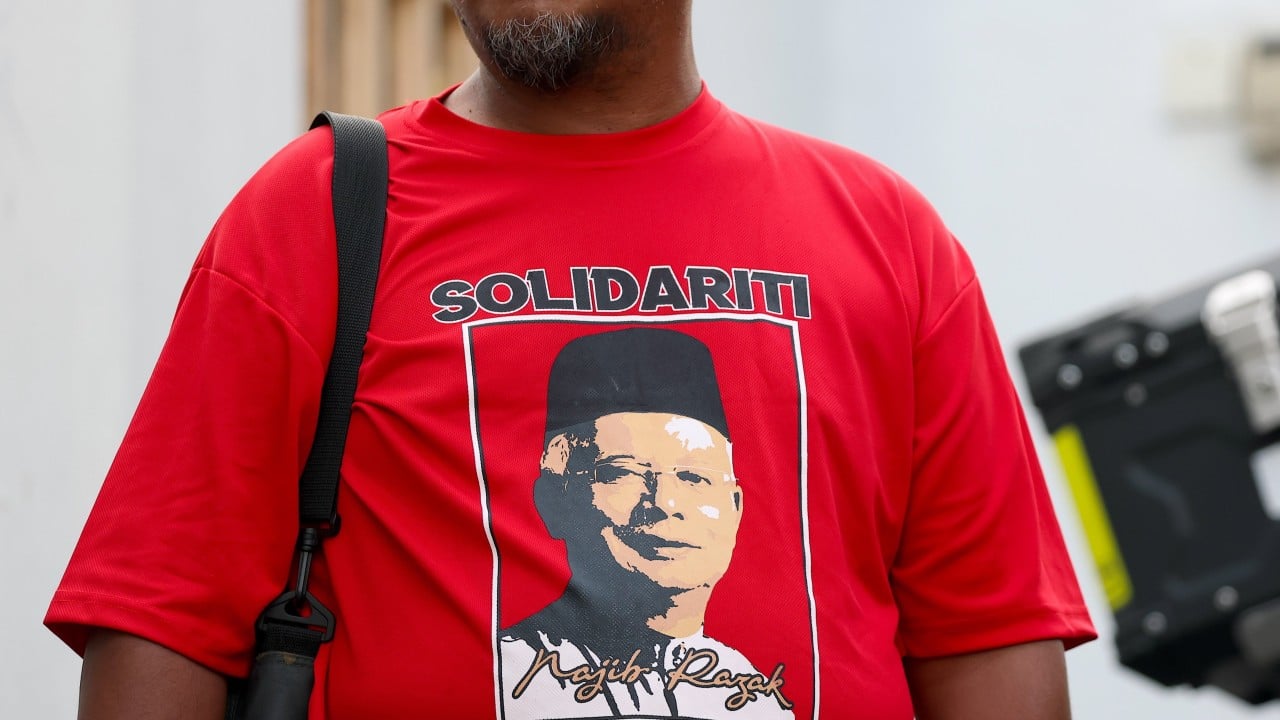
The headlines wrote themselves. When the financial appeals linked to Najib Razak triggered a wave of petty digital resistance—thousands of Malaysians flooding the system with one-sen transfers accompanied by sarcastic, scathing, or downright vulgar transaction references—the mainstream media broke out the popcorn. Editorial boards across the region framed it as a digital shaming ritual. They called it mockery. They called it poetic justice. They treated those minuscule coins as a humiliating public rejection, a digital tomato thrown at a fallen political titan from the safety of a smartphone screen.
They are completely, fundamentally wrong.
I have spent years watching political optics, digital crowd behavior, and financial infrastructure collide in real-world crises. I have seen organizations celebrate viral public backlash while missing the structural reality of what that attention actually achieves. The liberal commentariat loves a good viral takedown because it offers cheap catharsis. It feels like action. It feels like accountability. But in the cold, transactional mathematics of modern political survival, laughing at a one-sen donation campaign is the exact kind of strategic myopia that keeps old power players permanently plugged into the national bloodstream.
Let us dismantle the lazy consensus.
The Fatal Flaw of Digital Catharsis
When thousands of citizens coordinate an online campaign to send the smallest possible denomination of currency to a controversial figure, they believe they are inflicting financial pain or delivering a stinging insult. This is a profound misunderstanding of how digital attention economics operate.
Money has value, but in the attention economy, engagement is the only currency that matters. Every single one-sen transfer represents a deliberate act of engagement. It requires logging into a banking app, typing out an account number, entering a custom reference message, and authorizing a transfer. That is not passive scrolling. That is active, concentrated labor performed on behalf of the subject.
Think about the mechanics. To mock someone through a bank transfer, you must first keep them at the absolute forefront of your mind. You must research their details. You must participate in the ritual. By the time the bank processes that negligible coin, you have already spent more cognitive energy thinking about them than they spent ignoring you.
The media covered the mockery as a sign of public disgust. But power does not care about your disgust. Power cares about your focus. As long as a disgraced figure remains the central protagonist of daily digital discourse—whether through praise or vitriol—they are not dead. They are occupying prime real estate in the collective consciousness of the electorate.
The Economics of Petty Friction
Let us look closer at the financial mechanics, because the critics cheering on the one-sen flood assume they are clogging the system or costing the recipient something meaningful.
In digital banking, micro-transactions carry processing overheads. Banks pay for server bandwidth, transaction logging, and database queries. On paper, flooding an account with thousands of fractional entries looks like a logistical headache. But modern banking infrastructure handles millions of automated entries daily without blinking. A wave of petty transfers does not crash a modern financial gateway; it merely generates noise.
More importantly, it shifts the battleground onto terms where the establishment already wins. When you send money—even one sen—you are validating the legality and functionality of the financial rails being used. You are interacting with the system on its own terms. You aren't dismantling the architecture of corruption or rewriting the rules of wealth accumulation. You are paying a tiny administrative tax to participate in a meme.
I have watched companies and political operatives weaponize negative engagement for decades. They do not need you to love them. They need you to talk about them. When public anger is channeled into performative micro-transactions, it dissipates like steam off a boiling kettle. It provides an emotional release valve for the populace, turning genuine systemic fury into a viral joke that burns bright for forty-eight hours and then vanishes into the algorithmic ether, leaving the underlying structures entirely untouched.
The Weaponization of Notoriety
To understand why this digital mockery backfires, you have to look at how political rehabilitation works in the twenty-first century. Rehabilitation does not require innocence. It requires relevance.
In a saturated media ecosystem, the worst fate for a political figure is irrelevance. Silence is lethal. Being ignored means fundraising dries up, media invites stop, and cultural memory fades. But when thousands of vocal critics organize a public campaign around mocking you, they provide free marketing amplification that money cannot buy. They trend your name. They generate algorithmic momentum. They ensure that every algorithm on every social platform registers your name as high-velocity content.
Every sharp comment attached to a one-sen transfer is free content generation for a political machine that thrives on grievance and counter-narrative. It allows the subject to position themselves as the victim of coordinated cyber-mobs, rallying their loyal base with a narrative of persecution. The optics flip instantly. The elite critics laughing at the micro-donations are cast as out-of-touch urban snobs, while the subject becomes the scrappy underdog enduring relentless digital harassment.
This is the trap of internet-era activism. We mistake visibility for victory. We confuse the act of throwing a digital punch with winning the fight.
The Uncomfortable Truth About Resistance
Admitting the limits of our own cleverness is painful. Nobody wants to hear that their witty transaction message was actually a strategic win for the person they despise. We want to believe that collective ridicule has teeth, that shame still acts as a deterrent in modern politics, and that public mockery can single-handedly dismantle entrenched influence.
It cannot.
Shame only works on those who care about your opinion. When a political actor has already survived multi-billion-dollar scandals, public trials, and seismic institutional shifts, do you honestly believe a wave of one-sen jokes is going to sting? They are laughing all the way to the narrative bank, watching their critics spend precious time and emotional bandwidth inventing clever insult codes for bank statements.
True resistance is boring. It is patient. It looks like institutional reform, rigorous investigative journalism, persistent legal oversight, and long-term community organizing. It does not look like logging into a banking app at midnight to drop a sarcastic insult alongside a fraction of a cent.
When you spend your energy on performative digital stunts, you are playing a game designed for the house. The house always wins when you keep the spotlight burning on the exact stage they built. Stop feeding the machine the oxygen of your attention. Stop turning outrage into engagement metrics. Stop confusing a viral joke with structural change.
Put down the phone, close the banking app, and start focusing on the systems that actually matter.