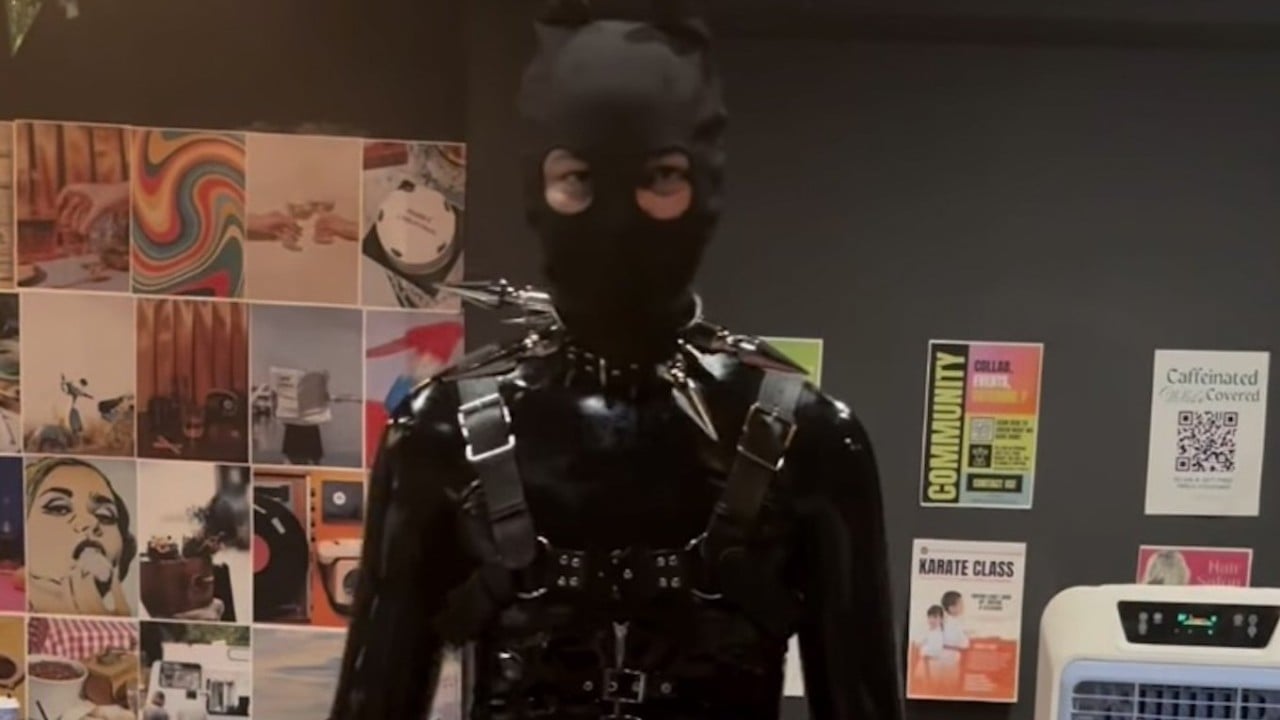
You don't wear latex in the sweltering heat of Kuala Lumpur if you want an easy day. With temperatures hitting 32°C (90°F) and humidity lingering around 80%, slipping into airtight, non-porous material sounds less like a fashion choice and more like a personal endurance test. Yet, a small group of subculture enthusiasts in Malaysia is pushing back against both the tropical weather and deeply ingrained social conservatism.
The immediate reaction from onlookers usually boils down to a simple question: "Isn't it hot?"
Yes, it's incredibly hot. But for local collectors and alternative fashion fans, the physical discomfort is secondary to the statement the material makes. In a region where modest fashion dominates the mainstream retail market—and religious guidelines heavily influence public dress codes—wearing high-shine rubber is a deliberate, difficult, and highly visual boundary test.
Navigating the Heat and the Public Eye
Wearing material that traps moisture requires actual strategy. Local subculture enthusiasts don't just throw on these garments; they treat them with specialized dressing aids like talcum powder or silicone-based lubricants just to slide into them without tearing the material. Once outside, the physical sensation changes completely. It acts like a second skin, trapping body heat instantly.
Beyond the climate, the social friction is palpable. Malaysia has a dual-track legal system where Islamic Sharia laws run alongside civil laws. Public modesty is closely monitored, especially for Muslims who make up the majority of the population. State religious departments frequently warn against "indecent dressing" in public spaces, and social media backlashes against unconventional style choices are swift and severe.
Because of this, local fans don't typically wear full rubber catsuits down the aisles of a local supermarket. Instead, they blend pieces into subculture events, private gatherings, or specific creative districts in the capital. They layer the material creatively—using high-shine skirts with traditional tops or incorporating rubber accents into streetwear—to balance a love for the aesthetic with a practical need to avoid official scrutiny or public harassment.
Moving Past the Fetish Label
The biggest hurdle for alternative fashion in Southeast Asia isn't the humidity; it's the immediate association with adult subcultures. Mainstream global fashion houses have spent years trying to separate the material from its underground history. High-end brands like Balenciaga, Saint Laurent, and Richard Quinn regularly feature molded rubber on European runways, treating it purely as a structural, avant-garde textile.
But translating that runway acceptance to a conservative society takes time. In local contexts, the shiny material is rarely seen as high art. It is almost instantly judged through a moral lens.
To combat this, subculture designers and stylists focus on construction and styling. They emphasize structural silhouettes, high necklines, and structural tailoring to pull the look away from standard costume design and closer to high fashion. The goal isn't to shock people for the sake of a reaction; it's to normalize alternative textiles as a legitimate form of creative expression.
The Reality of Sourcing and Maintenance
Building an alternative wardrobe in Southeast Asia is an expensive, logistical headache. There are virtually no local commercial manufacturers making high-quality fashion latex. Most pieces have to be imported from specialized design houses in the UK, Europe, or Japan, meaning buyers face high shipping fees and steep import taxes.
Once a piece arrives, the maintenance work begins. The humid tropical air is an enemy to natural rubber. If left in a standard closet, the moisture can cause the material to degrade, lose its elasticity, or stick to itself, effectively ruining an expensive garment.
Serious local collectors use specific preservation steps:
- Wash the garment by hand in lukewarm water using a mild, fragrance-free soap immediately after wearing to remove sweat and oils.
- Air-dry the piece completely in a shaded, well-ventilated room away from direct sunlight, which causes UV damage and discoloration.
- Apply a light coat of pure silicone lubricant or specialized polishing spray to both the inside and outside to prevent the material from sticking.
- Store the garment flat or on wide, padded plastic hangers inside a temperature-controlled room or a garment bag away from metal hangers, which can cause rust staining.
Building a Community in Quiet Spaces
Mainstream retailers in the region aren't going to stock avant-garde rubber clothing anytime soon. The movement survives entirely online and through independent creative networks. Platforms like Instagram and TikTok allow local fans to connect, share maintenance tips, and organize private meetups where they can wear their collections safely without public judgment.
These digital spaces act as a buffer. They give isolated enthusiasts a sense of community and a place to showcase their styling skills without facing immediate algorithmic censorship or real-world hostility. It proves that the drive for self-expression doesn't disappear under social pressure; it just finds quieter, more creative ways to exist.
If you are looking to explore alternative textiles or want to integrate unique structural pieces into your own wardrobe without causing a public scene, start small. Look for accessories like belts, chokers, or paneling on jackets before diving into full garments. Focus on high-quality, ethically sourced natural rubber from established independent brands rather than cheap synthetic alternatives, which degrade faster and lack the characteristic structure. Keep your pieces clean, store them away from the tropical humidity, and style them alongside everyday textures like denim or matte cotton to create a balanced, modern look that respects your environment while honoring your personal style.