The rain in Kyiv does not merely fall; it lingers. It coats the cobblestones in a slick, dark sheen, mirroring the heavy uncertainty that has hung over the city for years. On that particular afternoon, the air tasted of wet concrete and distant exhaust. For a man who had traded his homeland for the precarious safety of an adopted city, every shadow carried a whisper of home. Not the home of childhood memories, but the home of state dossiers, closed-door tribunals, and the long, patient reach of intelligence services that never quite forget a defector.
He walked with his head slightly bowed. A routine walk. The kind of mundane movement that defines exile. You wake up, you buy bread, you look twice at the license plates parked down your street, and you try to convince yourself that you are safe. But safety in the world of high-stakes espionage is an illusion. It is a fragile glass structure waiting for the right vibration to shatter.
Minutes later, the glass shattered.
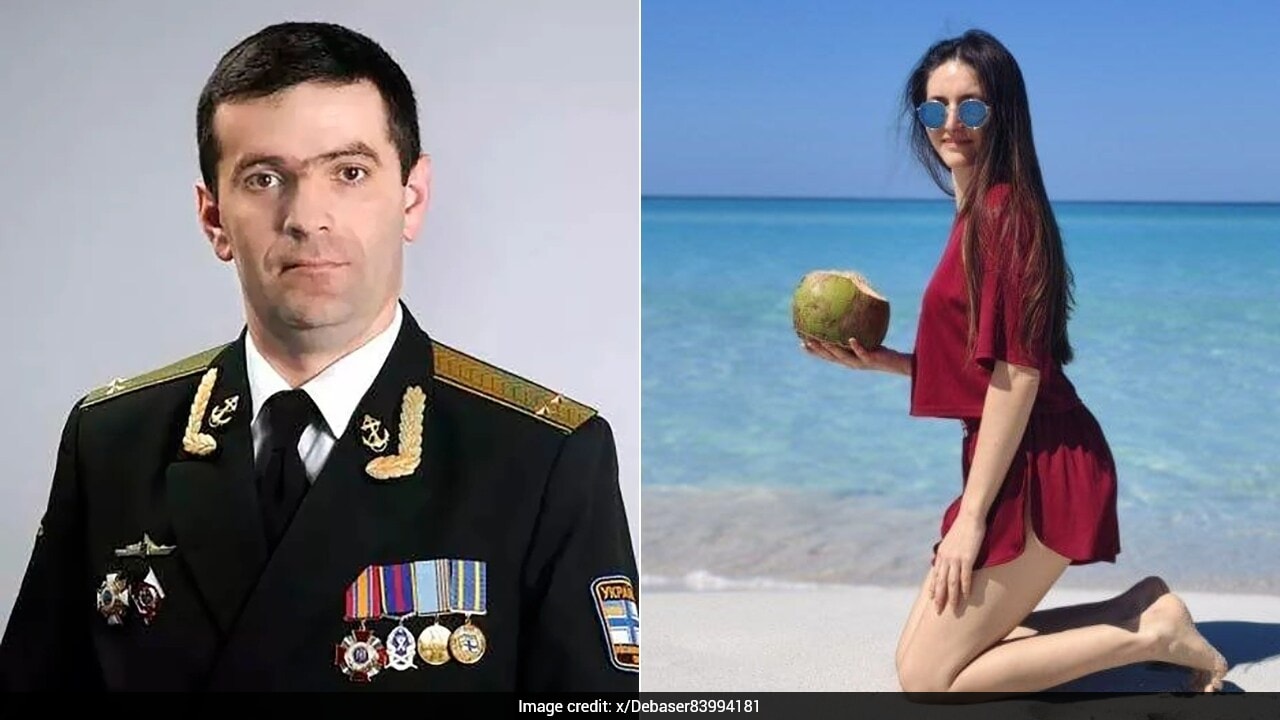
An explosion tore through the quiet street, transforming an ordinary trash bin into an instrument of calculated violence. The blast wave did not just destroy metal and concrete; it extinguished a life. The victim was a Ukrainian defector—someone who had crossed lines, leaked truths, or turned their back on a regime that views dissent as treason. And the person accused of planting that explosive? A Russian escort.
When intelligence operations strip away their Hollywood veneer, they rarely look like high-speed car chases or rooftop gunfights. They look like this. They look like a stranger blending into the background of a bustling European capital, renting an apartment, buying a simple household item, and waiting for the right moment. The banality of evil is not a philosophical abstraction. It wears everyday clothes. It walks down the same sidewalks you do.
Consider the mechanics of modern tradecraft.
To understand how a routine assassination unfolds in the heart of modern Europe, you have to look past the headlines and examine the psychology of operational security. In spycraft, the greatest weapon is invisibility. A professional intelligence officer draws attention; a recruited asset or a deniable operative blends in.
(Note: When analyzing how foreign intelligence networks utilize civilian or non-traditional operatives for urban sabotage, we are looking at established behavioral patterns documented by security analysts over decades of hybrid warfare.)
A Russian escort operating abroad provides a unique vector for clandestine tasks. They are accustomed to mobility. They cross borders regularly. They inhabit hotels, upscale apartments, and social circles where questions are rarely asked and discretion is the highest currency. To a handler looking for someone to plant a device without triggering the alarms of local counter-intelligence, an itinerant civilian offers the ultimate shield of plausible deniability.
They do not look like spies. They look like tourists, companions, or digital nomads.
The investigation that followed the Kyiv bombing revealed a chilling blueprint. Surveillance footage pieced together the fragments of the operative's final days in the city—the quiet arrivals, the hurried departures, the deliberate positioning of a device inside a municipal trash receptacle. It is a stark reminder that modern warfare is no longer confined to the muddy trenches of the eastern front. It bleeds into coffee shops, apartment stairwells, and residential alleyways.
We often talk about geopolitics as a clash of abstract ideologies. We speak of sanctions, troop movements, and territorial sovereignty as if they exist on a whiteboard in a sterile conference room. But geopolitics is deeply, brutally human. It is measured in heartbeats stopped short in the rain. It is measured in the quiet terror of waking up knowing that a state apparatus has marked your name in red ink.
The defector knew the risks. Every defector does. Walking away from a machine like the Russian security apparatus is not like quitting a corporate job. There is no severance package, no retirement plan, and no quiet relocation to a beachside town where the past can be forgotten. The exit door is locked from the inside, and the only way out is through a labyrinth of permanent paranoia.
Why do they do it? Why step across that invisible line?
Some do it for conscience. The weight of witnessing corruption or war crimes from the inside finally cracks the moral compass. Others do it out of survival, realizing that their own government has targeted them for elimination. Whatever the initial catalyst, the trajectory remains the same: a desperate scramble for sanctuary in a world that is increasingly hostile to dissidents.
Yet, sanctuary is a shifting landscape.
European capitals have long served as safe havens for those fleeing authoritarian regimes. But recent years have laid bare a terrifying vulnerability. These cities are porous. Intelligence networks operate sleeper cells, contract local criminals, and deploy deniable assets across open borders with alarming ease. The Schengen area, designed for freedom of movement and economic prosperity, has inadvertently become a highway for transnational dampening operations.
When a bomb goes off in a civilian neighborhood, the message is multi-layered. Yes, it eliminates a specific target. But more importantly, it sends a signal to every other defector, journalist, and dissident living in exile. It says: You are never safe. Distance is just a number. We can reach you anywhere.
That is the true objective of state-sponsored terror abroad. It is psychological warfare disguised as kinetic action. It aims to silence the living by publicly executing the departed.
Look closer at the mechanics of the device itself. A trash bin. So ordinary, so completely integrated into the urban ecosystem that nobody gives it a second glance. We pass a hundred trash bins a day without registering their existence. They are the invisible furniture of our cities. To weaponize the mundane is a psychological masterclass in urban terror. It turns the entire city into a minefield. If a trash bin can kill you, then safety ceases to exist anywhere outside your own locked door. And sometimes, not even there.
The suspect's journey after the explosion illustrates the frantic pace of modern counter-espionage catch-up. Once the digital breadcrumbs are laid bare—cell phone pings, CCTV angles, border crossing logs—the net closes. But the damage is already done. The target is gone. The perpetrator is either captured or slipped back across an international boundary into the welcoming arms of their handlers.
Justice in these cases is often administrative or symbolic rather than restorative. A suspect is named. An Interpol notice is issued. A diplomatic cable is sent. But none of that brings back the life lost in the damp Kyiv street. None of that repairs the shattered sense of security for the community of exiles living in the shadow of foreign surveillance.
We must confront an uncomfortable truth about the world we have built. Borders are becoming porous to violence faster than they are becoming secure through diplomacy. As long as authoritarian states view dissidents and defectors as existential threats, the shadow war will continue to claim casualties in quiet European neighborhoods.
The rain continues to fall in Kyiv. The streets are cleaned, the debris is swept away, and life resumes a fragile simulation of normalcy. People walk past trash bins without looking down. They buy their bread. They chat on their phones. But underneath the hum of the city, the invisible war pulses on, silent and relentless, waiting for the next step, the next defector, the next ordinary afternoon to turn extraordinary.