The Weight of an Unfinished Sentence
Stand at the Imjingang railway station near the edge of the demilitarized zone. Look north. The tracks disappear into a thicket of overgrown grass, rusted steel, and silence. Those rails were meant to carry commuters, families, and cargo from Seoul all the way to Sinuiju and beyond, connecting a fractured peninsula into a single humming engine of commerce and culture. Today, they end in nothing.
They end in a metaphor.
For decades, the geography of the Korean peninsula has been defined by what is missing. A phone call that cannot connect. A letter that cannot cross the thirty-eighth parallel. Millions of families divided by an invisible line that hardens with every passing year. To live in Seoul is to live with a low-frequency hum of anxiety, a permanent second thought about artillery ranges and nuclear tests, masked by the neon glow of a hyper-modern metropolis.
When diplomatic channels freeze, the temperature drops. People forget that behind the podiums, the saber-rattling, and the missile telemetry lie human beings caught in a geopolitical time warp. We talk about denuclearization as a math problem. It is not. It is an emotional hemorrhage that has lasted three generations.
Now, a quiet pivot is taking shape in government offices across Seoul.
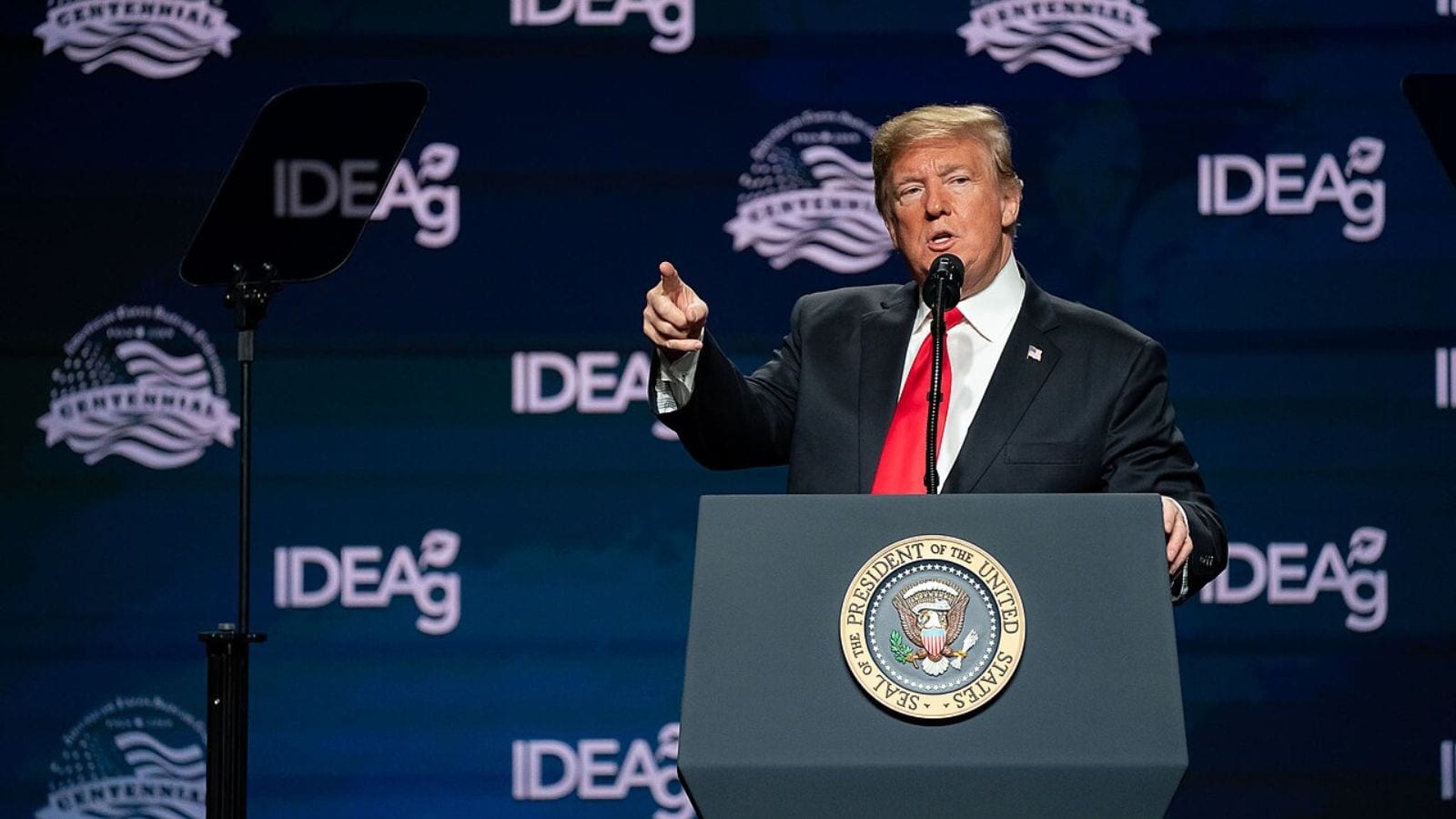
South Korea has signaled an active, determined willingness to grease the wheels between Washington and Pyongyang. The strategy is simple in design, terrifying in execution, and utterly essential: bring Donald Trump and Kim Jong Un back to the table, but do it with Seoul holding the architectural blueprints.
The Arithmetic of Isolation
Consider what happens when superpowers negotiate over the heads of those living in the blast zone.
During the frantic summit diplomacy of 2018 and 2019, the world watched from the bleachers as leaders flew across oceans for handshakes, photo ops, and dramatic walkouts in Hanoi. I remember standing in a crowded Seoul noodle shop on the night the Hanoi summit collapsed. The television screen flickered with news anchors speaking in clipped, urgent tones. Around me, elderly patrons stopped eating. They didn't curse. They didn't shout. They simply looked down at their bowls, the brief spark of reunification hope extinguished as quickly as it had ignited.
That is the hidden cost of failed diplomacy. It isn't just a downgrade in stock markets or a spike in defense shares. It is the steady erosion of hope among people who have spent their entire lives waiting to find out what happened to their cousins, uncles, and grandparents in the north.
South Korea’s current administration understands a fundamental truth that distant capitals often miss: you cannot outsource peace to politicians who fly home when things get difficult. Seoul stays. Seoul absorbs the shockwaves.
Therefore, the pledge to help revive talks is not merely a diplomatic courtesy; it is an act of self-preservation. By offering to bridge the gap between a transactional American presidency and an isolated regime in Pyongyang, South Korea is attempting to steer the wheel before the car goes off the cliff.
The Architecture of a New Dialogue
How do you restart a conversation that ended in mutual bitterness?
You do not start with nuclear warheads. You do not demand complete, verifiable, irreversible dismantling of an arsenal on day one. That approach has failed for thirty years because it asks the weaker party to surrender its only leverage before the negotiation even begins.
Instead, experienced diplomats point toward small, calibrated increments of trust. Think of it as clearing a blocked artery one drop at a time.
South Korea's proposed strategy relies on creative incentives. Humanitarian aid delivered quietly, without grandstanding. Cultural exchanges that bypass political rhetoric. Economic sandboxes along the border where low-level trade can resume, proving to Pyongyang that prosperity is a better shield than plutonium.
(Note: These specific diplomatic pathways are based on policy frameworks currently being debated by foreign affairs think tanks in Seoul and Washington, aimed at finding a middle ground between total sanctions enforcement and premature relief.)
Kim Jong Un is cornered. His economy is stagnant, heavily reliant on shifting alliances and underground smuggling. Donald Trump loves a deal, views foreign policy through the lens of personal rapport, and remains deeply unpredictable to traditional foreign service bureaucrats.
Into this volatile equation steps Seoul. Armed with cultural fluency, shared language, and deep historical empathy, South Korean negotiators can translate Washington's demands into terms Pyongyang can stomach, while whispering reality checks into the ears of American officials who mistake theater for strategy.
Walking the Tightrope
It is a terrifying tightrope walk.
If Seoul pushes too hard for engagement, Washington cries foul, suspecting an attempt to undermine maximum pressure sanctions. If Seoul pulls back, the North accelerates its weapons programs, drawing closer to a point of no return where conventional deterrence breaks down entirely.
The average citizen in Seoul does not track the nuance of these communiques. They simply look at the sky when the air raid sirens are tested on the 15th of every month. They teach their children where the basement shelters are located. They live ordinary, beautiful lives suspended over a sleeping volcano.
This is why the diplomatic maneuver matters. It is an attempt to quiet the sirens.
When a president in Seoul promises to facilitate a dialogue, they are whispering into the wind, hoping against hope that someone on the other side of the concrete wall is listening. They are betting that personal vanity, pragmatic self-interest, and sheer exhaustion might just outweigh decades of institutional hatred.
The Return to the Tracks
Back at Imjingang station, the wind rustles through the wire fences.
A rusted locomotive sits on a static display track, riddled with over a thousand bullet holes from the Korean War. Tourists pose for selfies in front of it, laughing, drinking iced coffee, buying souvenirs.
A few feet away, the active tracks remain dead.
Yet, somewhere in a quiet conference room away from the cameras, a diplomat is drafting a memo. A phone line is being tested. A message is being translated into Korean, then English, then back again, ensuring no nuance is lost in translation.
The iron rails are still cold. But for the first time in a long time, someone is standing by the switch, waiting for the signal to throw it forward.