You already know the drill. You try to squeeze out the final drop of summer by hitting the road or heading to the airport for Labor Day weekend, only to spend four hours idling on an interstate behind a semi-truck leaking radiator fluid. Every single year, millions of travelers make the exact same mistakes, rolling out during peak congestion windows and wondering why security lines wrap around airport terminals twice. If you want to actually enjoy your long weekend instead of spending it staring at brake lights, you have to throw out conventional wisdom and adopt a much stricter strategy.
The math behind holiday gridlock is entirely predictable. According to data tracked by transportation analysts at INRIX and motor clubs like AAA, holiday travel compresses standard weekly commuter traffic and leisure getaways into a few catastrophic bottlenecks. When everyone tries to escape early on a Thursday afternoon or Friday morning, the infrastructure simply collapses under the weight. Driving blind without checking temporal data charts is a recipe for disaster.
The Exact Windows to Drive and When to Stay Off the Asphalt
Timing your departure down to the hour separates seasoned road-trippers from miserable amateurs. The traditional approach of leaving right after work on Thursday or Friday afternoon guarantees you a front-row seat to the worst traffic jams of the entire year.
If you are packing up the car, memorize these windows:
- Thursday: Roll before 1:00 p.m. If you wait until the 2:00 p.m. to 7:00 p.m. rush, you are driving straight into a wall of commuter and holiday overlap.
- Friday: Get moving before noon. Peak chaos sets in right around lunchtime and stretches past 8:00 p.m. in major metro areas.
- Saturday: An early start is mandatory. Clear the major corridors before 10:00 a.m. to avoid midday vacationers heading to coastal or mountain spots.
- Sunday: Usually the quietest day on the highway, making it the hidden gem for low-stress transit.
- Monday: Be on the road before noon for the return trip. The afternoon block between 2:00 p.m. and 5:00 p.m. features brutal congestion as everyone rushes back for Tuesday morning obligations.
Ignoring these thresholds means adding fifty percent or more to your travel time. If a route normally takes three hours, expect four and a half during peak windows.
Airport Realities Nobody Wants to Admit
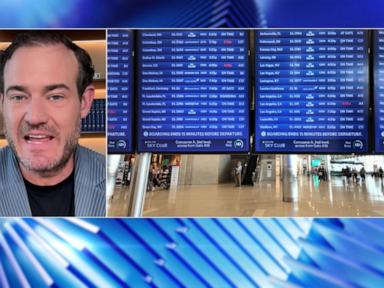
Air travel during the final summer holiday is an exercise in stress management. TSA checkpoints routinely screen close to three million passengers on the Friday before the holiday alone, breaking historical records year after year. Arriving two hours early is no longer a safety buffer; it is the absolute minimum requirement to avoid missing your boarding call.
Skip the early morning Friday flight if your schedule gives you any flexibility. Security queues spike heavily between 6:00 a.m. and 10:00 a.m. on Friday mornings. Shifting your flight to Saturday morning completely changes the experience, slashing terminal wait times and lowering the odds of cascading airline delays. Furthermore, ground transportation apps near major airports notoriously buckle under holiday demand, leading to steep surge pricing and driver cancellations. Booking a private transfer or scheduling your rideshare well in advance protects you from getting stranded at the curb with three heavy bags.
Vehicle Prep That Saves You From a Highway Nightmare
Nothing ruins a holiday trip faster than a preventable mechanical breakdown. Motor clubs handle hundreds of thousands of roadside assistance calls over Labor Day weekend alone, with dead batteries, flat tires, and overheating engines topping the list.
Before you turn the ignition, check your tire pressure, test your battery health, and top off your coolant and oil. Gas prices traditionally spike near major travel corridors and holiday hotspots, so top off your tank in suburban areas before you hit the main highway arteries where markup is highest.
Keep emergency supplies accessible in the trunk rather than buried beneath heavy luggage. Water, a portable power bank, a flashlight, and basic first-aid items take up minimal space but save the day if you get stuck on a shoulder waiting for a tow truck. Download offline maps onto your phone before you leave home. Dead zones in remote mountain passes or coastal stretches will instantly blind standard navigation apps, leaving you guessing at unmarked forks in the road. Pack plenty of patience, build extra padding into your schedule, and treat the journey as part of the trip rather than an obstacle to endure.