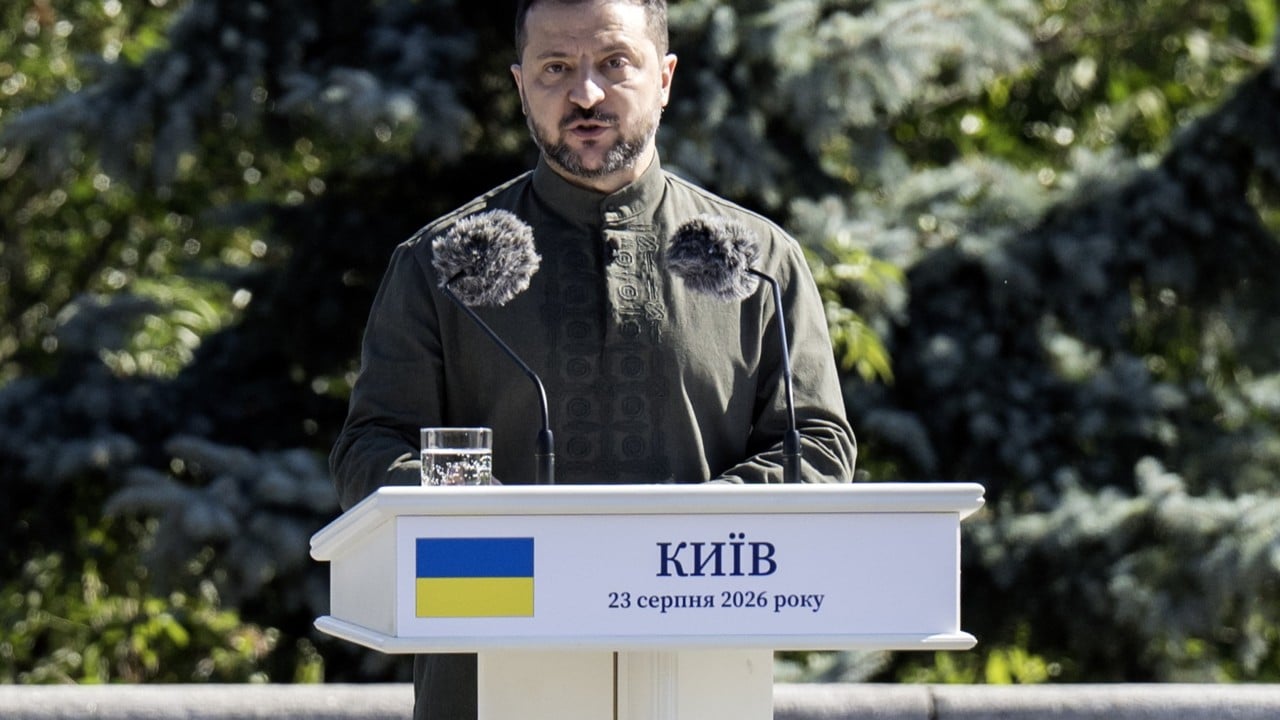
The underwater explosions that ripped through the Nord Stream gas pipelines back in September 2022 are back in the headlines. President Volodymyr Zelenskyy is pushing back hard against mounting investigative pressure. Following the recent arrest of a Ukrainian scuba diver in Croatia tied to the sabotage case, Kyiv has reiterated its stance: Ukraine had nothing to do with it.
The Arrest That Stirred the Pot
German federal prosecutors have been piecing together a complex puzzle for years. They zeroed in on a Ukrainian national, identified in reports as Volodymyr Zhuravlev, who was taken into custody in the Croatian coastal city of Pula. In a bizarre twist that sounds straight out of fiction, Zhuravlev was reportedly detained while working as a consultant on the set of a Hollywood movie centered around the pipeline explosions. Discover more on a similar subject: this related article.
This isn't a routine collar. Zhuravlev had previously slipped through the cracks. Polish authorities detained him under a European arrest warrant previously, but he managed to walk free after local courts refused his extradition to Germany, with Polish leadership signaling that blocking the pipelines wasn't fundamentally against Warsaw's strategic interests. Now, with his detention in Croatia, German prosecutors are moving closer to bringing him to trial alongside another suspect, former Ukrainian army officer Serhii Kuznetsov, who was extradited from Italy.
Why Ukraine Denies Involvement
Zelenskyy’s office maintains absolute denial. Kyiv has repeatedly stated that state actors played zero role in planting the charges on the Nord Stream 1 and 2 pipelines near the Danish island of Bornholm. Further journalism by BBC News explores related views on the subject.
Why does this matter so much? Because the optics are terrible for an allied nation dependent on Western military aid. Admitting to state-sponsored sabotage of critical European civilian infrastructure—even if it cut off billions in revenue to Moscow—would fracture the fragile diplomatic coalition supporting Ukraine's defense. Kyiv insists that if any operatives acted, they did so entirely outside official command structures, treating the rogue actor theory as the only plausible defense against accusations of state terrorism.
The Evidence Investigators Are Following
German investigators believe a small cell of operatives used a rented yacht out of the German port of Rostock, utilizing forged IDs to charter the vessel before diving down to place military-grade explosives.
Moscow has historically tried to pin the blame on Washington, pointing fingers at the United States' long-standing opposition to Europe's reliance on Russian energy. Washington has consistently denied those claims. Meanwhile, European officials find themselves in an awkward diplomatic dance. They need to uphold the rule of law by prosecuting a crime against critical infrastructure, yet they cannot afford to let the investigation completely shatter European unity against Russian aggression.
The legal battles over extradition will drag on for months. Zelenskyy continues to offer joint cooperation, hoping to steer the narrative away from Kyiv's doorstep while German courts prepare to hear the first concrete cases tied to the deep-sea blasts.