The British monarchy likes to pretend it sits above the fray, but King Charles III is currently walking right into the middle of a political storm that's getting messier by the hour. Prime Minister Keir Starmer isn't just dealing with a standard opposition party. He's facing a country that feels increasingly unmoored, and the King's role in this transition is far more than just reading a script in a gold carriage.
You’ve probably seen the headlines about Starmer "facing down challengers." It sounds like a typical Tuesday in Westminster. But the reality is far more volatile. Starmer is trying to impose a very specific, rigid kind of order on a nation that just spent years in a state of constant upheaval. Charles, meanwhile, has to find a way to be the face of that order without looking like a puppet for a government that's already seeing its honeymoon period evaporate.
Why the King's presence actually matters right now
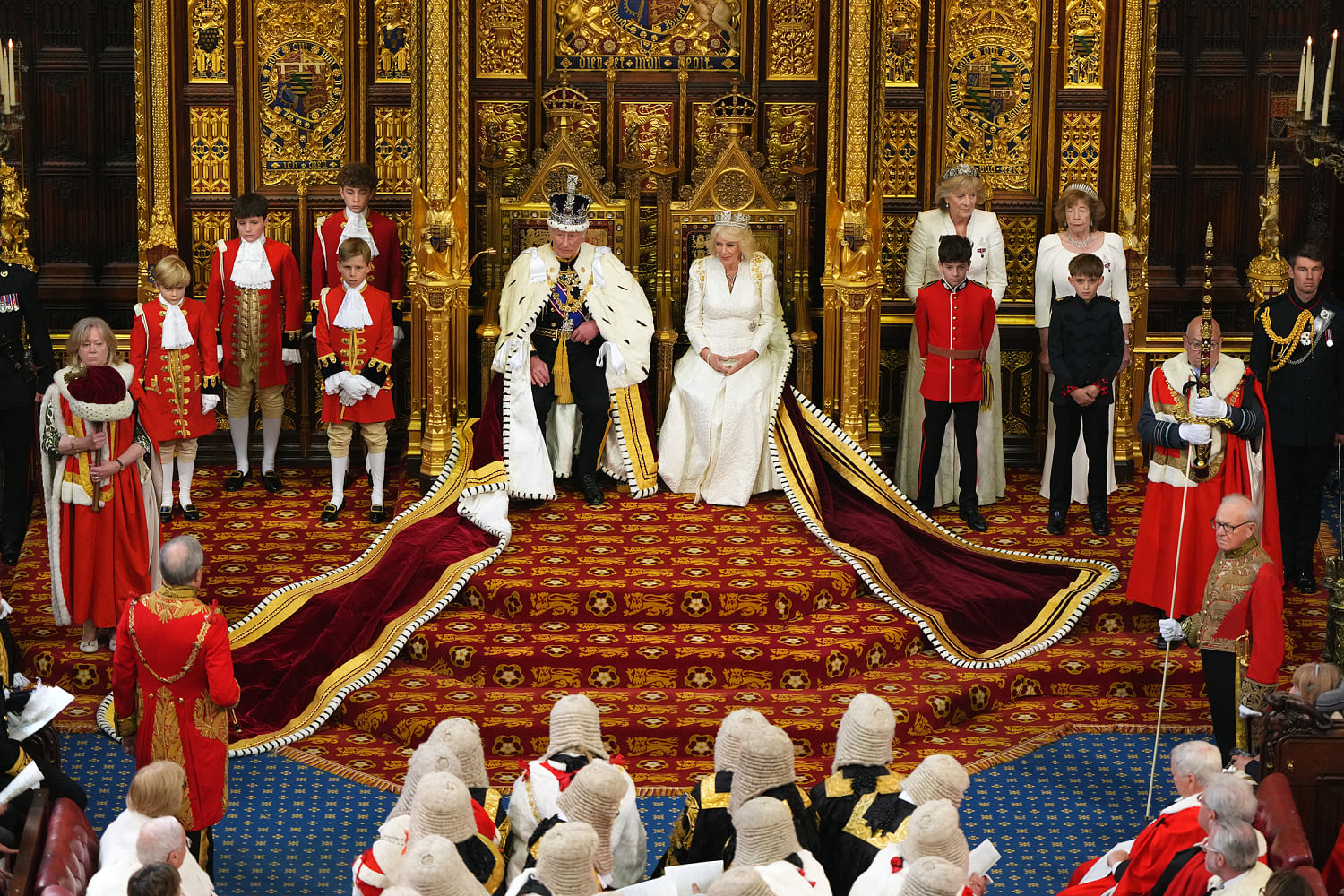
Constitutional experts will tell you the monarch is a figurehead. That's technically true but practically incomplete. In times of extreme political polarization, the King functions as the only remaining symbol of continuity. If you look at the recent State Opening of Parliament, it wasn't just about the pageantry. It was about Starmer using the Crown to signal that the "adults are back in the room."
Starmer needs the King because his own mandate, while massive in terms of seats, is surprisingly thin in terms of the popular vote. He’s governing a country where a huge chunk of the electorate feels completely ignored by the two-party system. By putting Charles front and center, the Labour government is trying to wrap its radical legislative agenda in the velvet robes of tradition. It’s a smart move. It’s also a dangerous one for the King if the public starts to view the Crown as an extension of Downing Street’s policy wing.
Starmer is fighting a multi front war
It isn't just the Tories anymore. Starmer is looking over his shoulder at a rising populist right and a restless left wing within his own party. The "drama" isn't coming from the Dispatch Box; it's coming from the streets and the fringes.
- The Reform UK pressure cooker: Nigel Farage is sitting in Parliament now. He doesn't want to play by the rules, and his presence makes every Starmer policy on immigration or net zero a potential flashpoint.
- The internal Labour revolt: Don't think for a second that the big majority means peace. There’s a loud contingent of MPs who think Starmer is being too cautious, especially on social spending and child poverty.
- The regional disconnect: Scotland and Wales aren't just going to fall in line because there’s a new guy in London.
Charles has to navigate all of this while maintaining the "dignified" part of the British constitution. It’s a tightrope walk. He’s a King who has spent his whole life talking about the environment, and now he’s working with a PM who has to balance green goals with a cost-of-living crisis that makes "green" feel like a luxury to many voters.
The myth of the quiet transition
People think the shift from the Conservatives to Labour was a clean break. It wasn't. The infrastructure of the UK is still creaking. The NHS is struggling. Prisons are full. When Charles reads the King’s Speech, he’s essentially listing all the ways the country is broken and how Starmer plans to fix it.
If Starmer fails to deliver on his "missions," the resentment won't just hit the Labour party. It will bleed into the institutions themselves. That's the real drama. We’re seeing a test of whether the British system—the "King-in-Parliament"—can still solve basic problems for regular people. Honestly, the jury is still out on that one.
What the public gets wrong about the Royal role
Most people think the King just nods and signs papers. But the weekly audience between the King and the PM is where the real nuance happens. I’ve seen enough of these cycles to know that a King who has been around for seven decades of political history has a lot more "soft power" than he gets credit for. Charles isn't a novice. He’s seen PMs come and go, and he knows that Starmer’s biggest challenge isn't the legislation—it's the mood of the country.
The King’s job is to represent the Britain that exists outside of Twitter and Westminster. That’s a Britain that is tired, skeptical, and frankly, a bit cynical. When Starmer faces his challengers, he’s doing it with the weight of the establishment behind him, but that establishment has never felt more fragile.
Practical reality for the months ahead
If you're watching this unfold, stop looking at the polls for a minute and start looking at how the government handles the small stuff. Starmer is betting that "competence" is enough to win over the public. But competence is boring, and we live in an era that thrives on spectacle.
- Watch the by-elections: That’s where the "challengers" will show their teeth first.
- Monitor the Royal tours: Where Charles goes tells you what the government is worried about. If he’s spending a lot of time in post-industrial towns, they’re trying to patch up the social fabric.
- Keep an eye on the House of Lords: This is where the King’s Speech actually gets dismantled and debated.
The political drama isn't going to end with a few speeches. We’re in for a long period of friction as a traditionalist King and a technocratic PM try to hold a restless country together. It’s not just about who’s in power; it’s about whether the power itself still carries any weight with the people it's supposed to serve.
Don't expect a quick resolution. Pay attention to the friction between Starmer’s "growth" rhetoric and the reality of a King who knows that national stability requires more than just a higher GDP. Follow the legislative progress of the Renters' Rights Bill and the nationalization of railways. These aren't just policies; they're the battlegrounds where Starmer will either prove he can lead or find himself swallowed by the very drama he’s trying to suppress.