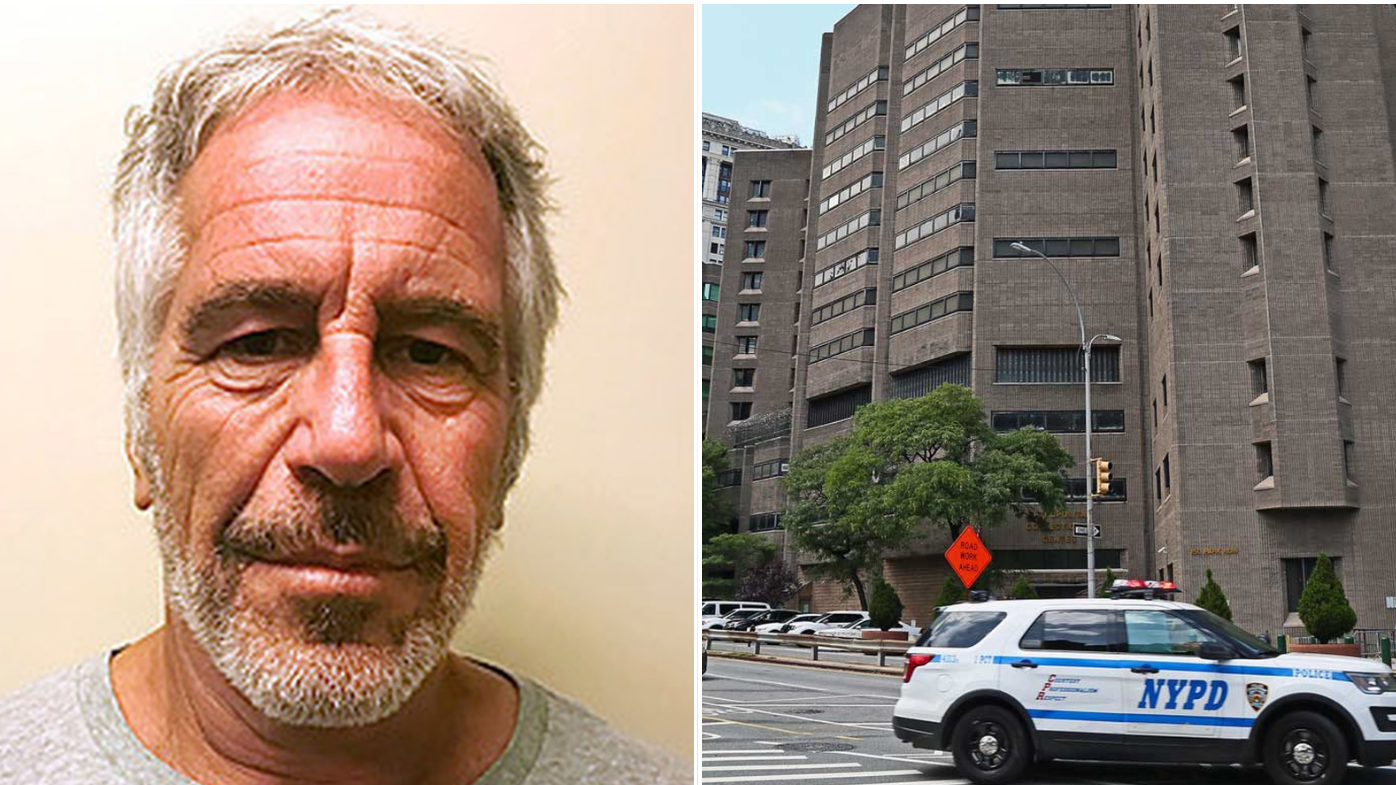
The official story of Jeffrey Epstein’s death has more holes than a block of Swiss cheese. We're told he took his own life in a high-security cell while the guards were conveniently napping and the cameras were "malfunctioning." But there’s a specific piece of evidence that remains locked away, fueling a firestorm of skepticism from legal experts and the public alike. I’m talking about the purported suicide note found in his cell at the Metropolitan Correctional Center (MCC).
While snippets of scribbled notes have leaked over the years, a definitive, finalized suicide note has never been released to the public in its entirety. Some reports suggest the court is intentionally keeping a specific document under wraps. This isn't just about morbid curiosity. It’s about the fundamental transparency of a justice system that allowed a high-profile predator to escape trial. If a note exists that clarifies his state of mind—or names names—the public has a right to see it.
The silence from the Southern District of New York regarding this specific document is deafening. You’d think they would want to put the conspiracy theories to bed. Instead, the secrecy only makes the "Epstein didn't kill himself" crowd look more like they're on to something.
Why the court keeps Epstein documents under lock and key
Courts usually seal documents for a few specific reasons. They might be protecting an ongoing investigation, shielding the privacy of innocent third parties, or preventing the disclosure of sensitive grand jury material. But Epstein is dead. His primary co-conspirator, Ghislaine Maxwell, is already behind bars. So, who exactly are we protecting now?
The legal justification often cited is "privacy interests." It sounds reasonable on paper. However, when you’re dealing with a man who ran an international sex trafficking ring involving some of the world's most powerful people, the "privacy" excuse starts to feel like a convenient rug to sweep things under. If that suicide note mentions names of people who haven't been charged, the court would likely redact or suppress it to avoid "unnecessary" reputational damage.
I find that logic flawed. If someone is mentioned in a suicide note by a serial predator, that’s a lead, not a reason for a cover-up. The tension between public interest and judicial secrecy is at a breaking point here. By keeping these documents hidden, the court is essentially saying that the reputation of potentially powerful individuals outweighs the public's need for the full truth.
What we actually know about the notes in his cell
Let's look at the facts we do have. When investigators searched cell 509 after Epstein was found hanging, they didn't find a polished "Dear World" letter. They found a yellow legal pad. On it were various disjointed thoughts and complaints about his life in prison.
- He complained about the "giant bugs" crawling on his floor.
- He mentioned the "burnt" food and the lack of decent facilities.
- He expressed frustration with his lawyers and his mounting legal fees.
- He allegedly wrote about one guard sending him to a "locked shower" for no reason.
These don't sound like the final words of a man looking for closure. They sound like the grievances of a narcissist who was miserable in a dirty jail cell. This discrepancy is why the rumor of a separate, more formal note persists. If there is a document that isn't just a list of jailhouse complaints—a document that looks like a genuine farewell—its absence from the public record is a massive red flag.
The FBI and the Department of Justice have been tight-lipped about whether additional pages were seized and categorized differently. We know the MCC was a mess. The 2023 Department of Justice Inspector General report confirmed "significant misconduct" and "negligence" by staff. In an environment that chaotic, evidence isn't always handled with the transparency we expect.
The expert skepticism that won't go away
Dr. Michael Baden, a renowned forensic pathologist hired by Epstein’s brother, Mark Epstein, has been vocal about his doubts for years. He’s pointed out that the injuries to Epstein’s neck—specifically the three fractures in the hyoid bone and thyroid cartilage—are statistically much more common in homicidal manual strangulation than in suicidal hangings.
When you combine those physical anomalies with a "missing" or suppressed suicide note, the narrative of a simple suicide starts to crumble. In a typical suicide case, the note serves as a crucial piece of the psychological autopsy. It bridges the gap between the physical act and the person's mental state. Without it, or with only a censored version of it, the autopsy remains incomplete.
Legal analysts often point out that the sheer volume of Epstein-related documents still under seal is unprecedented for a case where the primary defendant is deceased. Usually, death ends the need for most of these protections. The fact that the court continues to fight the release of specific files suggests that the information inside is radioactive.
The problem with selective transparency
The government loves to release information that supports its version of events while burying anything that raises questions. We saw the photos of the orange bedsheets. We saw the messy cell. We saw the "scribbles" about the bugs. These details humanize the "suicide" narrative. They make it feel real.
But where are the logs? Where are the unredacted depositions? And where is the note that the court reportedly views as too sensitive for public consumption?
This selective transparency is a PR tactic, not a legal standard. It's designed to give the illusion of an open book while the most important chapters are still glued shut. If the note contains nothing but the ramblings of a broken man, there’s no reason to hide it. If it contains something else—names, dates, or a confession that contradicts the official timeline—then the court's refusal to release it is an act of gatekeeping.
What happens next in the fight for the truth
The battle for these documents isn't over. Journalists and transparency advocates continue to file Freedom of Information Act (FOIA) requests. Several news organizations have sued for the release of the "Epstein files," and while they’ve had some wins, the most sensitive materials remain elusive.
If you want to see the truth, you have to look at the patterns. The patterns here show a consistent effort to protect the identities of those in Epstein's orbit. The suicide note is the holy grail of this investigation because it is the only thing that came directly from his mind in those final hours.
Don't wait for the government to voluntarily hand over the keys. If history is any indication, they’ll hold onto that note until it’s legally impossible to do so. In the meantime, the best thing you can do is stay informed and keep questioning the "official" reports that don't quite add up.
Check the court dockets periodically for new filings in the ongoing civil cases related to Epstein’s estate. These are often where the most interesting nuggets of information leak out before the mainstream media picks them up. Support organizations like the Florida Bulldog or other independent investigative outlets that are actually doing the legwork to sue the federal government for these records. Transparency only happens when people refuse to stop asking where the rest of the paper trail went.