The ink isn't even dry on the Islamabad ceasefire proposal and it's already falling apart. If you've been following the news today, April 9, 2026, you know the situation is grim. While diplomats in Pakistan are scrambling to save a two-week truce between the U.S. and Iran, Israel has made it clear they aren't playing by the same rulebook.
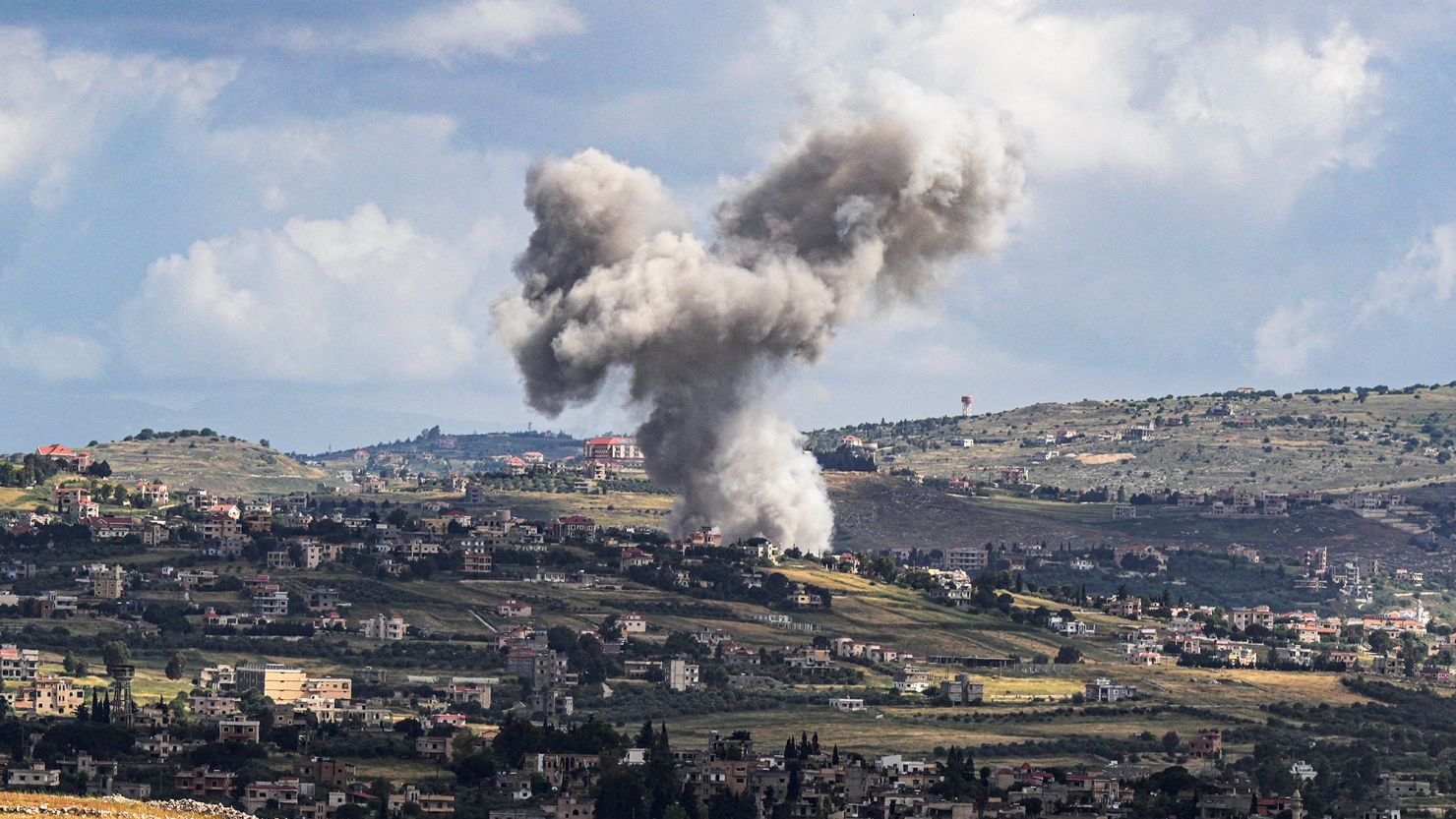
The core of the problem is simple: Israel's military operations in Lebanon haven't stopped. In fact, they've ramped up. Just hours after the regional ceasefire was whispered about, Israeli airstrikes pounded Lebanon, killing over 200 people. To Prime Minister Netanyahu, the "Islamabad framework" applies to Iran, not the "buffer zone" his troops are carving out up to the Litani River. To Tehran, this is a deal-breaker.
Iran’s Parliament Speaker, Mohammad Bagher Ghalibaf, basically said as much this morning. He’s threatening to pull out of the weekend talks entirely. He's accusing the U.S. and Israel of breaching three critical clauses: the Lebanon ceasefire, Iranian airspace sovereignty, and Iran's right to uranium enrichment.
This isn't just a "diplomatic hiccup." It’s a total breakdown of trust that threatens to drag the entire region back into a full-scale war that nobody—except maybe the hardliners—actually wants.
The Lebanon Loophole That's Drowning Diplomacy
The biggest mistake Western observers make is thinking Lebanon is a side quest. It’s the main stage. Israel’s current ground operation, which started in mid-March, has seen five divisions push deep into Lebanese territory. They’ve reached towns like Bayada and Khiam, and they aren't showing signs of leaving.
Israel’s logic is straightforward: they want to ensure Hezbollah can’t rebuild the infrastructure that was supposed to be gone after the 2024 truce. But by doing this during a sensitive regional ceasefire, they've created a massive "Lebanon Loophole."
Iran sees Hezbollah as its primary insurance policy. If Israel continues to dismantle that policy while Iran is forced to sit still under a U.S.-backed truce, Tehran feels like it's being played. Ghalibaf’s rhetoric about "deep historical distrust" isn't just for show; it's a signal that if the strikes in Beirut and the south don't stop, the Strait of Hormuz might stay closed, and the Islamabad talks will be a ghost town.
Why the 10-Point Proposal is Failing
The so-called "10-Point Proposal" was meant to be the off-ramp for the war that ignited in February 2026. Pakistan’s Prime Minister Shehbaz Sharif has been acting as the middleman, but the interpretations of the text are worlds apart.
- The Ceasefire Definition: Sharif and the Iranians claim the deal covers an "immediate ceasefire everywhere." Israel disagrees, stating their "defensive" actions against Hezbollah are separate from the conflict with Iran.
- The Drone Incident: A drone recently went down in Lar, Fars Province. Iran says it was an "intruding" Israeli/U.S. asset. That's a direct violation of the clause prohibiting airspace breaches.
- The Enrichment Fight: Clause six of the framework allegedly protects Iran’s right to enrich uranium. Israel has spent the last year blowing up enrichment sites. They aren't about to sign off on Iran starting the centrifuges back up.
The reality is that you can’t have a peace deal in West Asia if you don't address Lebanon. You can't tell Iran to stop its proxies while Israel is actively occupying the territory those proxies call home. It’s a paradox that has the Islamabad summit dead on arrival.
The Humanitarian Cost Nobody is Talking About
While the politicians argue over clauses, the ground reality in Lebanon is a nightmare. Over a million people—20% of the population—are displaced. The Litani River bridges are gone, blown up by Israel to cut off the south.
UN officials are calling the situation "critical." Hospitals in Beirut are overwhelmed, not just by the sheer number of casualties, but by the fact that they can't get supplies in because of the blockade. If the Islamabad deal fails, these "temporary" strikes will turn into a permanent occupation. Israel has already suggested they might demolish border settlements to create a permanent "no-man's land."
What Actually Needs to Happen
If you want to see this stalemate break, watch for three things over the next 48 hours.
First, the U.S. has to put real pressure on Netanyahu to include Lebanon in the ceasefire. "Quiet for quiet" has to mean everywhere, not just where it’s convenient. Second, Hezbollah needs to show a verified retreat north of the Litani, which they haven't done since 2006. Third, the Lebanese Armed Forces (LAF) need to actually step up. They’ve started a second phase of deployment, but they're months away from being a real force.
Honestly, the Islamabad talks are likely to be a photo-op unless these core contradictions are solved. You can't negotiate a peace deal while the bombs are still falling on Beirut.
If you're looking for a silver lining, there isn't one today. The next step is to see if Iran actually shows up in Islamabad this weekend. If Ghalibaf stays in Tehran, the "West Asia Peace Deal" is officially a fantasy. Keep an eye on the flight manifests out of Tehran; that’s your real indicator of where this is going.
Don't expect a sudden breakthrough. Israel feels it has the upper hand militarily, and Iran feels it has nothing left to lose after the death of Khamenei in March. It’s a recipe for a long, bloody summer.
What you should do now:
- Watch the Islamabad summit attendance list. If Iran boycots, expect oil prices to spike as the Strait of Hormuz remains a flashpoint.
- Monitor Israeli Defense Ministry statements. Any mention of "permanent infrastructure" in South Lebanon means the "buffer zone" is becoming an occupation.
- Follow UNIFIL reports. They are the only ones left with eyes on the ground in the south, even if they're currently powerless to stop the violations.