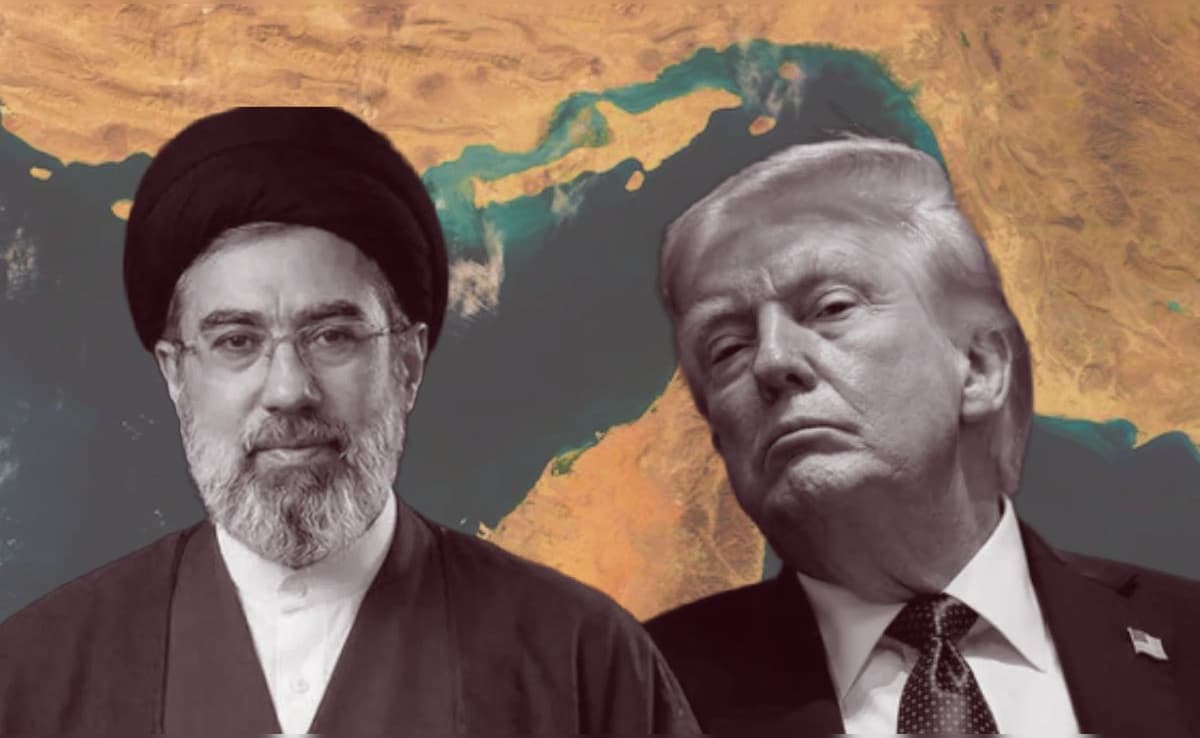
Tehran has transmitted a fresh peace proposal to Washington through Pakistani mediators, yet the diplomatic window is closing fast. President Donald Trump publicly dismissed the latest overture on Friday, stating he remains unsatisfied and reiterating that his administration faces a stark binary: secure a comprehensive deal or escalate military pressure. The contents of this new offer, delivered Thursday night, remain shielded from public view, but the immediate rejection signals that the current back-channel negotiations are spiraling into a profound stalemate.
For weeks, Islamabad has positioned itself as the sole functional bridge between the United States and Iran. Following the high-stakes, all-night session in Pakistan’s capital earlier in April, hopes were high that a durable settlement was within reach. Those hopes have now largely evaporated. Pakistan finds itself caught in an increasingly difficult trap, attempting to broker a compromise between an American administration demanding total victory and an Iranian leadership struggling to maintain leverage while their economy reels from a persistent blockade.
The Mirage of Mediation
Pakistan’s emergence as the primary interlocutor was never guaranteed. It was a role born of necessity. Islamabad possesses deep cultural and religious ties to Iran, shares a border, and maintains long-standing, if occasionally strained, institutional military relationships with Western powers. Crucially, it does not host American military bases, a fact that gives Tehran a rare degree of comfort when communicating through Pakistani channels.
However, being a messenger does not equate to being a deal-maker. The structural friction remains immovable. Washington demands the cessation of Iran’s nuclear enrichment, strict limits on ballistic missile development, and a verified end to support for regional proxies. Tehran, conversely, views these demands as existential threats. When Iran offers concessions—such as temporary, conditional control over the Strait of Hormuz—it does so with the intent of gaining immediate relief from the American naval blockade. Washington, viewing the blockade as its primary instrument of coercion, refuses to trade it for anything less than a permanent transformation of Iranian behavior.
The dynamic is predictable. Tehran offers a partial step, Washington rejects it as insufficient, and the conflict persists.
The Economic and Geopolitical Clock
The urgency driving these negotiations is not rooted in altruism. It is a matter of survival for the mediators and the combatants alike. Pakistan’s energy import costs have tripled since the outbreak of hostilities, pushing an already fragile economy to the brink of collapse. The government in Islamabad is desperate for a resolution, not just for regional stability, but to secure its own fiscal future. They have even moved to open overland transit routes to facilitate trade with Iran, a tactical maneuver meant to mitigate the impact of the Strait of Hormuz closure.
For the Americans, the calculus involves the looming summit between President Trump and Chinese leader Xi Jinping, scheduled for mid-May. Washington prefers to enter that summit with the Iranian theater stabilized, avoiding the distraction of a grinding, expensive war. For Iran, the strategy is defined by a tension between diplomatic engagement and the reality of the blockade. Some factions within Tehran argue that the blockade itself is the only leverage they possess; they fear that trading it away for limited sanctions relief will leave them defenseless against future American strikes.
A Dangerous Miscalculation
The refusal of the latest proposal highlights a fundamental misunderstanding of intent. The American administration is not looking for a middle ground. Officials close to the White House suggest that the goal is the comprehensive dismantling of Iran’s current security architecture. When Trump signals that he is "not satisfied," he is not referring to the technical details of a nuclear moratorium. He is signaling that the fundamental premise of the Iranian offer—a transactional, phased return to the status quo—is unacceptable.
Iran, meanwhile, continues to play a dangerous game of defiance. The Islamic Revolutionary Guard Corps has issued sharp warnings, threatening to strike American naval assets if the blockade persists or if military action resumes. This rhetoric, while intended for domestic consumption and regional posturing, significantly shrinks the space for Pakistani diplomacy to operate.
Every failed proposal makes the next round of talks harder. Each rejection hardens the positions of hardliners in both Tehran and Washington, making it politically impossible for either side to back down without appearing humiliated. The risk of unintended escalation rises with every day that the blockade holds.
Negotiations are not dead, but they are drifting. Pakistan remains in the room, but the room is getting smaller. The alternative is a return to direct, high-intensity conflict, a path that carries consequences far beyond the borders of the Persian Gulf.