Six months of intensive military confrontation haven't broken Tehran's clerical elite. Washington and Israel launched heavy strikes back in February with the clear objective of forcing regime change. Instead of collapsing under the weight of airstrikes and assassinations, Iran's leadership adapted, dug in, and adopted an even more uncompromising posture.
If you expected a swift overthrow, you misread how authoritarian survival networks operate. The Islamic Republic absorbed massive blows, including the death of long-ruling Supreme Leader Ayatollah Ali Khamenei, yet the core power structure remains firmly intact.
The Reality of Sanctions and Economic Siege
Military campaigns rarely tell the whole story. The International Monetary Fund estimates Iran's economy will shrink by 5.4% this year, driven by a plummeting rial and an aggressive U.S. naval blockade restricting oil exports.
Yet economic misery doesn't automatically translate to revolution. Street protests face lethal suppression from security forces, leaving citizens exhausted and focused purely on daily survival. Without a unified political opposition capable of peeling away members of the security apparatus, the regime retains a monopoly on violence.
Asymmetric Leverage Points
Tehran quickly pivoted from conventional defense to asymmetric retaliation. By maintaining tight control over the Strait of Hormuz and targeting infrastructure across the region, Iran created acute pain for global energy markets and neighboring Gulf states.
This strategic chokepoint gives the regime a vital bargaining chip. Even with its conventional navy and air force largely dismantled, the state's missile and drone arsenals keep regional adversaries on edge.
Internal Divisions and the Path Forward
Cracks exist behind closed doors. Figures within the Islamic Revolutionary Guard Corps and the Supreme National Security Council recognize that open-ended isolation threatens long-term state survival, leading some insiders to quietly weigh diplomatic off-ramps.
Negotiations stalled because bridging four decades of deep hostility requires realistic political concessions that neither side is fully prepared to make. Until external pressure matches an organized internal alternative, Tehran's entrenched leadership will continue to weather the storm.
Six months into the war, Iran is wounded but survives
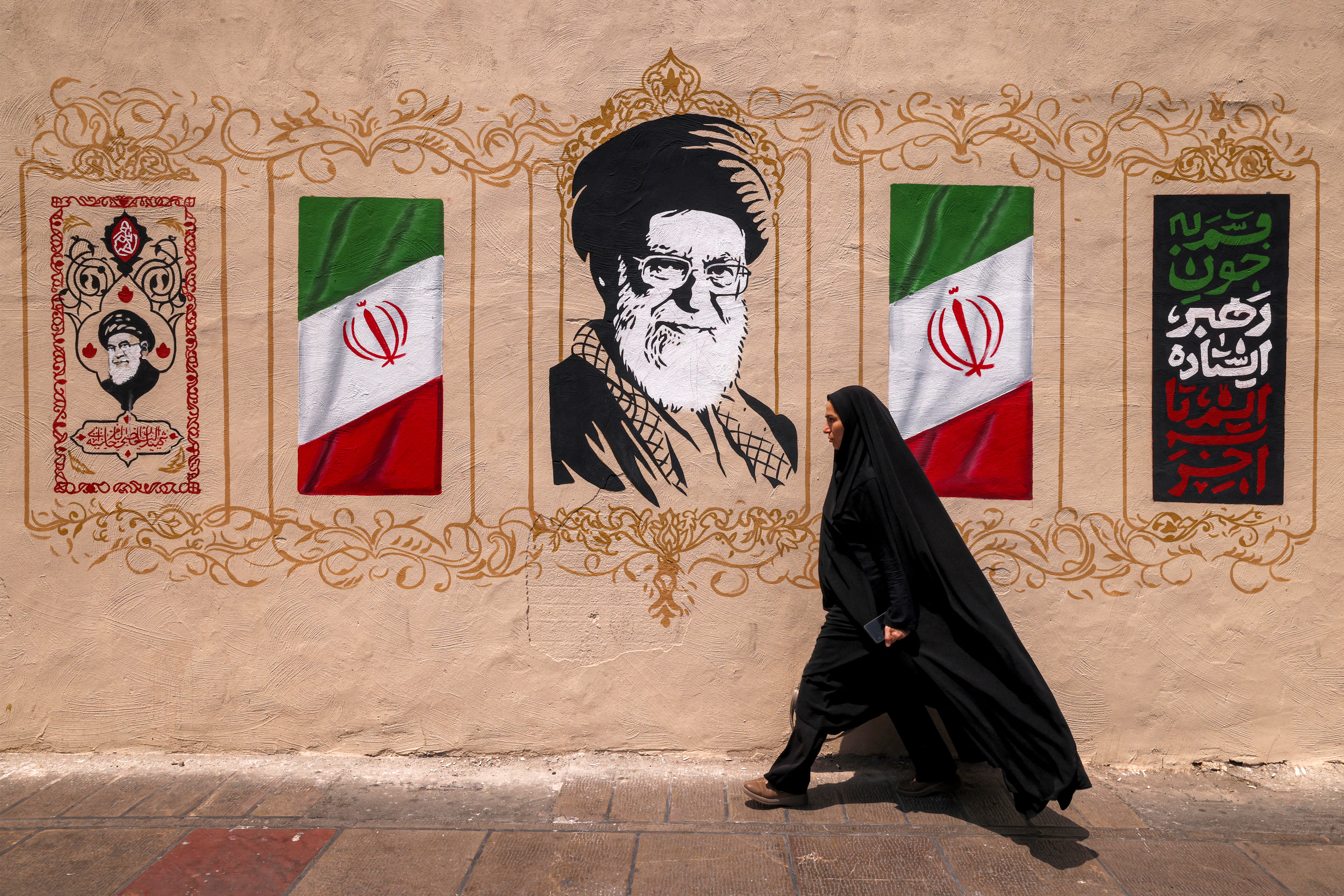
This report outlines how daily life looks for citizens across Iran as the country grapples with economic fallout and ongoing security tensions.