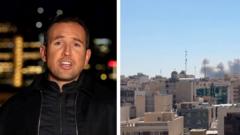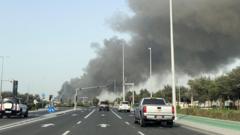
The smoke hasn't even cleared from the streets of Tehran, yet the Western world is already writing the Islamic Republic's obituary. After the massive U.S. and Israeli airstrikes on February 28, 2026—Operation Epic Fury—and the confirmed death of Supreme Leader Ayatollah Ali Khamenei, the narrative seems simple: the head is gone, so the body must fall.
It's a seductive idea. We see the videos of crowds in Enghelab Square, some mourning, others whispered to be waiting for the right moment to strike. We look at an economy where the rial has basically become wallpaper and inflation is pushing 60%. But if you think a few missiles and a power vacuum at the top mean the regime is finished, you’re missing the reality of how this system was built to survive.
The Iranian regime is still intact because it isn't a one-man show. It’s a multi-layered fortress of military, economic, and clerical interests that have nowhere else to go. For these elites, survival isn't just about ideology; it's about staying out of a jail cell—or worse.
The Iron Triangle of Survival
Most people assume that killing the Supreme Leader is like pulling the plug on a computer. In reality, it's more like cutting one head off a hydra. The Iranian constitution didn't skip a beat. Within hours, a three-person temporary leadership council was formed to bridge the gap until the Assembly of Experts picks a permanent successor.
The real power doesn't just sit in the Office of the Supreme Leader. It’s held by the Islamic Revolutionary Guard Corps (IRGC).
The IRGC isn't just a military branch; they’re a conglomerate. They own the construction companies, the telecommunication networks, and the ports. They've spent decades "sanction-proofing" their own pockets. If the regime falls, they lose everything—their wealth, their status, and their lives. That kind of desperation creates a very high floor for loyalty. Even with the reported deaths of Chief of Staff Abdolrahim Mousavi and intelligence chief Shahid Rezaian in the strikes, the mid-level command structure remains functional and, frankly, terrified of what happens if they let go of the reins.
Why the Protests Haven't Broken the Back of the State
We saw the "Women, Life, Freedom" movement in 2022, and we saw the massive "Rial Protests" of January 2026. Thousands have been killed, and tens of thousands are in prison. The anger is real. It's deep. It's everywhere.
But there’s a brutal logic to state repression that works. By shutting down the internet—a tactic they’ve perfected since 2019—the regime prevents the "flash mob" effect that turns local anger into a coordinated national revolution. Without a unified leadership or a way to communicate, the protesters are essentially fighting a high-tech tank with stones and hashtags.
- Coercive Consistency: The Basij militia hasn't defected. Unlike the Shah’s army in 1979, these guys are ideologically indoctrinated and socially tied to the regime's survival.
- Lack of an Alternative: While names like Reza Pahlavi get tossed around in Washington and London, there isn't a "shadow government" inside Iran ready to take the keys.
The Economic Mirage of Collapse
I've heard analysts say for years that "the economy will be the regime's undoing." It sounds logical. If people can't buy bread, they’ll overthrow the government, right?
Look at Venezuela or North Korea. Economic misery doesn't lead to a democratic sunrise; it leads to a weakened, dependent population that spends 100% of its energy on survival rather than revolution. The Iranian regime has actually used the economic crisis to tighten control. When the state controls the distribution of basic goods, dissent becomes a death sentence by starvation.
The capture of Nicolás Maduro by the U.S. earlier this year definitely hurt Tehran's "sanction-busting" network, but they've already started pivoting. They’re still moving oil through "ghost fleets" and maintaining back-channel trade with actors who don't care about U.S. Treasury blacklists.
What the Coming Days Actually Look Like
The next 72 hours aren't about the "people rising up." They're about elite consolidation.
We should watch the Assembly of Experts. If they move quickly to appoint a hardliner—perhaps someone like Ali Reza Arafi, who was just fast-tracked into the leadership council—it’s a signal that the IRGC and the clergy are closing ranks. If they bicker or delay, that's when you might see the "cracks" everyone is looking for.
But don't expect a sudden collapse. The regime’s security forces are currently at a 75% alert level. They’re expecting trouble, and they’ve shown they’re willing to turn Tehran into a war zone to keep their seats at the table.
The U.S. and Israel might have taken out the figurehead, but the machine is still humming. It's a battered, smoking machine, but it’s still moving.
What You Should Watch For Right Now
If you’re trying to figure out if the regime is actually wobbling, ignore the Western headlines for a second and look at these three things:
- Defections: Not from the streets, but from the mid-level military. If colonels and generals start moving their families out or refusing orders to fire on crowds, it's over. So far, that hasn't happened.
- The Bazaar: Keep an eye on the merchants in Tehran. When the Bazaar shuts down in protest, it cuts off the regime's traditional merchant-class support. They did it in January, but can they sustain it under martial law?
- Regional Proxies: Watch Hezbollah and the Houthis. If they go quiet, it means Tehran has cut their funding to focus on internal survival. If they ramp up attacks, it means the regime is trying to "export" the crisis to buy time at home.
The coming days will show us the limits of kinetic force. You can blow up a compound, and you can kill a leader, but you can’t kill a system that has spent 47 years preparing for exactly this moment. Don't bet on a collapse just yet.
You should monitor the official statements from the Iranian Leadership Council over the next 48 hours to see if a permanent successor is named or if the transition remains "temporary."