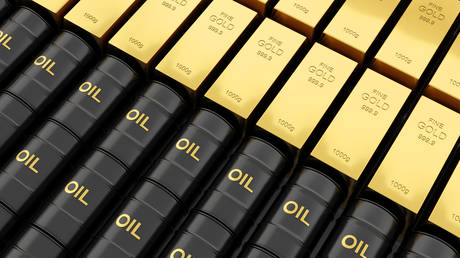
Geopolitics used to be predictable for investors. A missile flies in the Middle East, oil prices spike, and everyone piles into gold. It’s a script written in the 1970s that worked for decades. But the current escalation involving Iran has flipped that script upside down. If you’re looking at your portfolio and wondering why the "obvious" trades aren’t hitting, you aren’t alone. The disconnect between kinetic warfare and digital tickers has never been wider.
We’re seeing a puzzling market trend where bad news doesn't always equal red screens. In fact, sometimes it's the opposite. Traditional safe havens are acting like tech stocks, and oil—the supposed king of conflict commodities—is behaving with a weirdly calm indifference. This isn’t a fluke. It’s a fundamental shift in how global capital reacts to state-level violence.
The Oil Paradox and Why Crude Isn't Quaking
Logically, a direct confrontation involving a major OPEC producer should send Brent crude screaming past $100. That hasn't happened. Even with tankers being harassed and rhetoric reaching a fever pitch, oil prices have remained remarkably disciplined.
The reason? Market participants don't fear a supply crunch as much as they used to. American shale production has created a massive cushion that simply didn't exist during the Gulf War or the 2011 surges. The U.S. is pumping record amounts of crude, effectively neutering the "oil weapon" that Iran or its neighbors might try to wield.
Traders are also betting that nobody actually wants a total war. China is the biggest buyer of Iranian oil. If Tehran shuts down the Strait of Hormuz, they aren't just hurting the West; they're biting the hand that feeds them. The market knows this. It sees the posturing for what it is—a dangerous game of chicken where both sides have a massive financial incentive to keep the taps flowing. You’re seeing "geopolitical risk" being priced in for days, not months. The fear decays faster than the news cycle.
Gold is No Longer Just a Crisis Hedge
Gold hit record highs recently, but it’s a mistake to think it’s only because of the bombs. If it were just about the Iran conflict, gold would have dropped the second a ceasefire was mentioned or a retaliatory strike ended. Instead, it stayed up.
There's a deeper, more permanent movement happening. Central banks, particularly in the "Global South," are de-dollarizing. They’re buying bullion because they saw what happened to Russia's dollar reserves. They want an asset that no Western government can freeze with a keystroke. Iran is just the catalyst that reminds everyone why they wanted gold in the first place.
If you bought gold expecting a quick 10% jump on a headline, you might be disappointed by the volatility. But if you're watching the long-term trend, the "war premium" is actually being replaced by a "sovereign distrust premium." It’s a subtle difference that changes how you should size your position.
Why Tech Stocks Ignore the Middle East
You’d think a regional war would send the Nasdaq into a tailspin. High-growth companies hate uncertainty. Yet, every time a new headline drops about drones or ballistic missiles, the dip gets bought within hours.
Modern investors have become desensitized. We’ve lived through a global pandemic, a war in Ukraine, and massive inflation spikes. A localized conflict in the Middle East—unless it turns into a global nuclear exchange—just doesn't move the needle for a company selling cloud software or AI chips.
There’s also the "Defense Tech" factor. Companies like Palantir or the major aerospace players actually see a boost in sentiment when tensions rise. Since these firms carry a huge weight in various indices, they often balance out the losses from consumer-facing brands. The market isn't being cold-hearted; it's being pragmatic. It calculates the hit to global GDP and realizes that for most S&P 500 companies, the impact is basically rounding error.
The New Reality of Algorithmic Trading
A huge part of this puzzling trend comes down to who is actually doing the trading. It’s not humans sitting in mahogany offices reacting to CNN. It’s black-box algorithms programmed to look for specific liquidity patterns.
These bots are designed to "fade" the news. They know that human emotions lead to overreactions. When a scary headline hits, the bots sell initially, then immediately start buying back once the "volatility event" peaks. This creates those "V-shaped" recoveries that make no sense to a casual observer. If you try to trade the news manually, you’re essentially fighting a supercomputer that can process the implications of a missile strike in microseconds. You'll lose that fight every time.
The smart money isn't watching the news; they're watching the bond market. Yields tell the real story of how much "risk-off" sentiment there actually is. Right now, the 10-year Treasury isn't screaming "emergency." It’s saying "business as usual, with a side of caution."
How to Position Your Portfolio Right Now
Stop chasing the headlines. If you buy an "oil ETF" because you saw a clip of a drone strike, you’re already too late. The pros sold that move to you.
Instead, look for the secondary effects. Shipping costs often rise during these conflicts as vessels take longer routes to avoid combat zones. Companies involved in maritime logistics or global supply chain management often have more "staying power" than a pure commodity play.
Check your exposure to defense and cybersecurity. These aren't just "war stocks" anymore; they're essential infrastructure in a world that’s becoming increasingly fragmented. The Iran conflict is just one symptom of a multi-polar world. You want to own the companies that provide the "fences" and the "locks" for the digital and physical world.
Diversify your cash. Don't keep everything in one currency or one jurisdiction. The biggest risk isn't a market crash—it’s a loss of access or a sudden shift in currency values. Holding a bit of physical gold or even some "hard" assets like land makes more sense than ever.
The markets aren't broken. They’ve just evolved. They've learned to digest trauma faster than we have. If you want to succeed, you have to stop reacting to what's happening today and start positioning for the structural shifts that this conflict reveals. Move your capital into sectors that benefit from increased government spending on security and energy independence. That’s where the real money is going while everyone else is busy staring at the news ticker.
:max_bytes(150000):strip_icc()/Unsystematicrisk_final-31b6d4ce82394ebe8fbebeb331c3fc29.png)