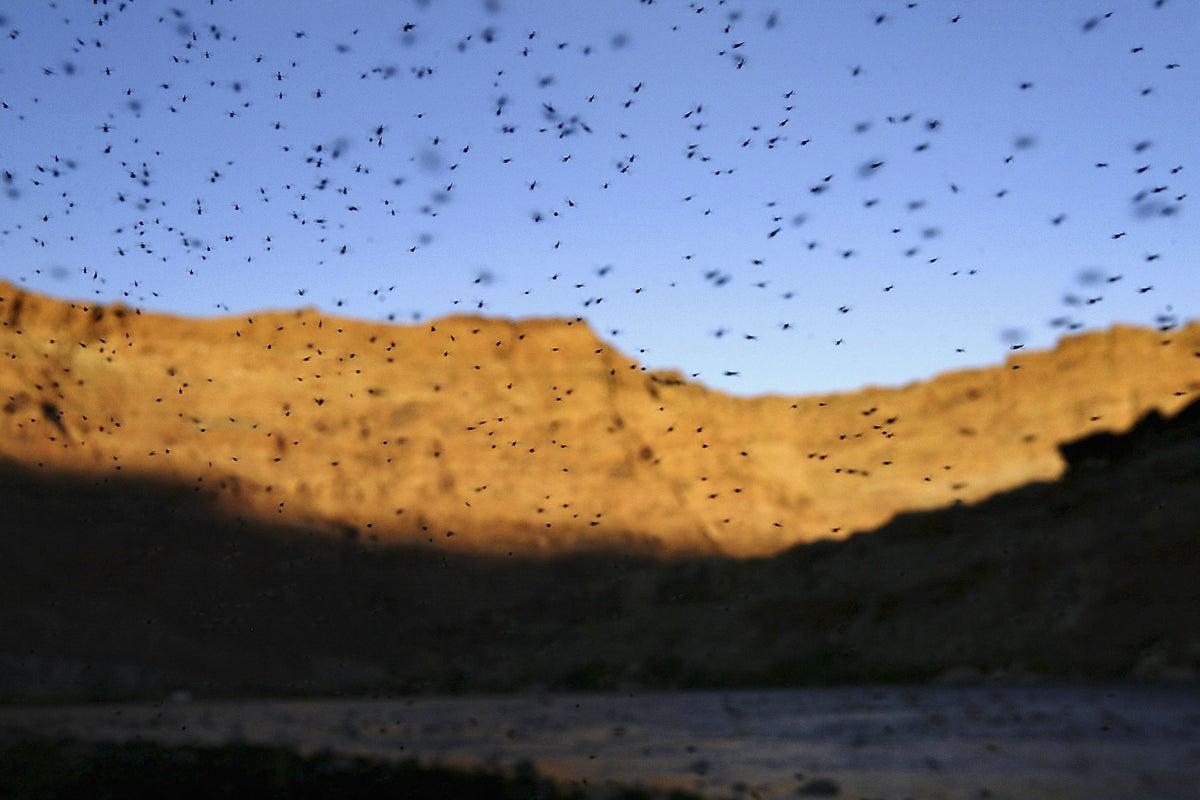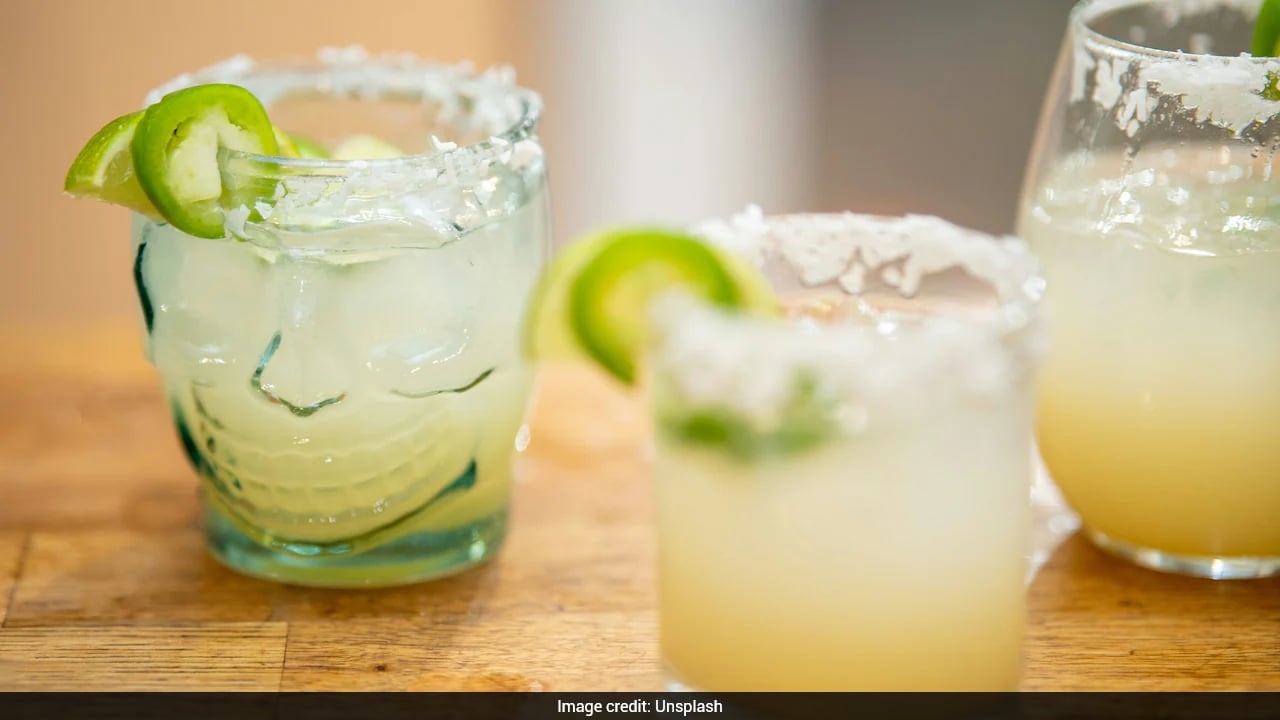
The afternoon air smelled of salt, crushed ice, and the sharp, bright promise of citrus. It was the kind of Saturday that demands a drink in hand, sweat beading on glass, laughter carrying over the noise of a backyard patio. To make the pitcher of summer drinks, fingers press into green rinds. Juice splashes against skin, a stray drop runs down a wrist, and nobody thinks twice about it. Water washes away stickiness, or so the mind assumes. Then comes the sun.
Hours later, the body begins to whisper that something is wrong. A strange warmth blooms under the skin, shifting slowly into a deep, stinging ache. By morning, blisters rise like small, angry domes where the juice had dripped. It looks like a chemical spill. It feels like a severe burn. Yet no fire touched the flesh.
This is the hidden reality of phytophotodermatitis, a phenomenon better known by its stark, casual moniker: the margarita burn.
To understand how a harmless piece of fruit turns hostile, one must look past the kitchen counter and into the chemical defenses of the natural world. Plants do not create compounds for human convenience. Limes, lemons, celery, and wild parsnips carry organic chemical structures known as furocoumarins. These molecules act as a quiet shield for the plant, a biological deterrent meant to ward off hungry predators under the blazing gaze of the sun.
When those furocoumarins land on human skin, they remain entirely inert in the dark. They are harmless hitchhikers. But the moment ultraviolet A radiation hits them, a violent transformation occurs. The molecules absorb the incoming light energy and transfer it directly to the cellular structures beneath. They act as biological amplifiers, turning mild sunlight into a localized weapon.
Consider the mechanics of the accident. Consider a hypothetical backyard cookout where someone slices a dozen limes to garnish a weekend spread. Juice splatters invisibly onto the forearm, settling into fine creases and microscopic pores. The person steps out into the open sky, leaning against a railing, laughing with friends. The sun does not care about the context. The photochemical reaction triggers cellular death within the epidermis, resulting in swelling, tenderness, and fluid-filled blisters that map out the exact, irregular path of the initial splash.
Panic often follows. People rush to urgent care clinics fearing chemical burns, severe allergic reactions, or mysterious infections. Doctors ask routine questions about medical history, yielding blank stares until the conversation pivots toward food preparation. Did you cut citrus? Were you outside? Did you handle celery or figs?
The diagnosis arrives with a heavy dose of irony. The very drink meant to celebrate relaxation has left a mark that can endure far longer than the memory of the weekend.
Dermatologists note that the physical toll does not end when the blisters flatten. Once the acute inflammation subsides, the skin often responds by flooding the damaged area with melanin. This post-inflammatory hyperpigmentation leaves behind dark, blotchy patches that can linger for months, sometimes stretching across a year like a lingering shadow. It is harmless in the grand scheme of medical pathology, yet deeply unsettling to anyone who woke up expecting a simple summer tan.
The danger is not restricted to tequila bars or backyard patios. The same photosensitizing agents live inside everyday grocery items. Bartenders carrying the weight of Friday night rushes frequently find linear burns tracing down their arms where lime juice ran down their sleeves. Gardeners trimming wild parsnips or brushing against damp meadow grass discover similar patterns on their shins. Even essential oils containing bergamot can sensitize the skin enough to trigger a reaction under routine urban sunlight.
Protection requires nothing more complex than vigilance, yet human nature routinely forgets the invisible. A simple rinse with soap and water immediately after handling citrus completely neutralizes the threat, sweeping away the furocoumarins before they can bind with the sun. But who thinks to scrub their arms after mixing a drink? The instinct is to wash the palms and return to the party, leaving the invisible droplets waiting for their cue.
The lesson is quiet, written in blisters and dark spots rather than permanent scars. Summer invites a careless joy, a blurring of boundaries between indoors and out, between nature and human comfort. Yet the world remains full of hidden mechanisms, ancient chemical systems operating entirely independent of human awareness.
Next time the ice rattles in the glass and the green rind yields beneath the knife, pause for a second. Wash the hands. Wipe down the forearms. Respect the quiet chemistry humming quietly in the juice, waiting for the light.
Why Margarita Burn Happens and How to Avoid It
This video provides a helpful visual breakdown of how citrus juice and sunlight interact on the skin to cause phytophotodermatitis.