We rarely think about the dirt beneath our feet until someone threatens to take away the things it builds.
Consider the modern electric vehicle. It glides silently through suburban streets, a triumph of clean engineering. But strip away the sleek chassis, the leather seating, and the touchscreen dashboard, and you are left with a pulsing heart of invisible magnetism. Deep inside the drivetrain sits a neodymium-iron-boron sintered magnet. Without it, the car is just an expensive, immobile sculpture of aluminum and glass. You might also find this connected article interesting: Inside the Warehouse Tax Crisis Nobody is Talking About.
For decades, the global supply of these hyper-powerful magnets has traveled through a single, highly concentrated pipeline. One country controlled the mining, the refining, and the manufacturing. If that pipeline closed, the green energy transition would ground to a sudden, violent halt.
Now, on the eastern coast of Malaysia, a quiet corporate alliance is rewriting that geopolitical script. As reported in latest reports by The Wall Street Journal, the effects are worth noting.
The Weight of $50 Million
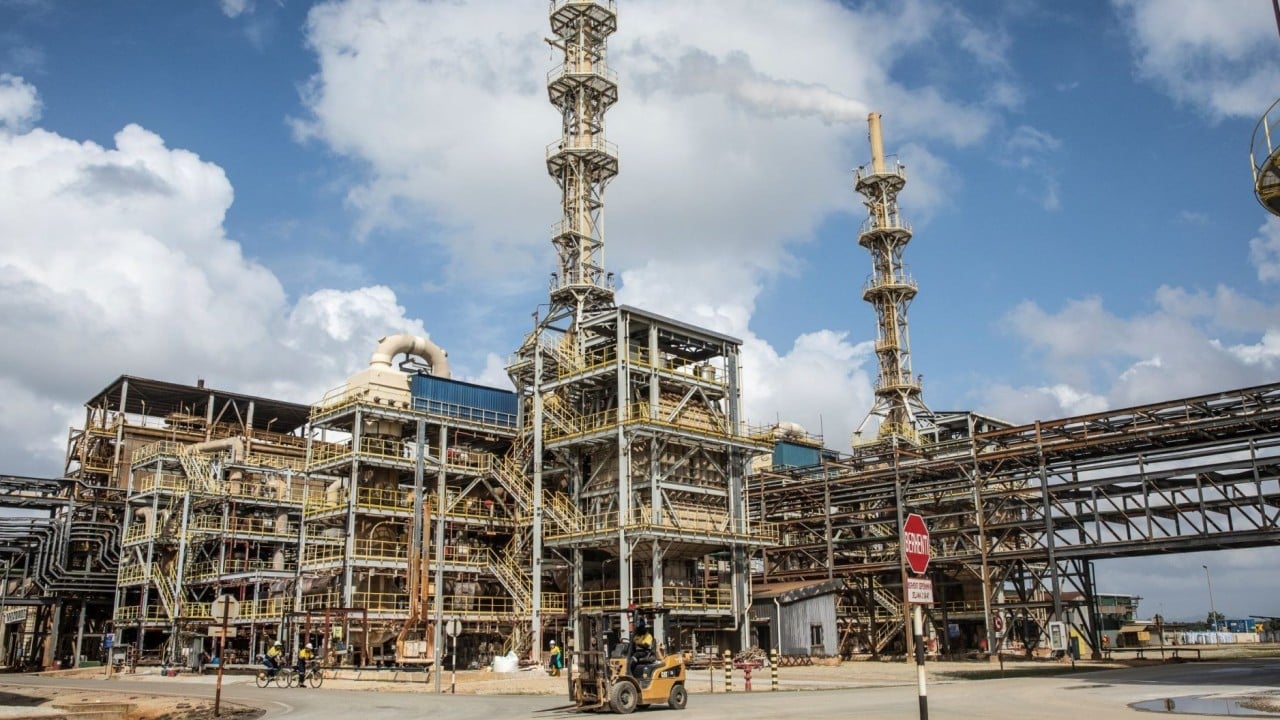
To understand the stakes, we must look at a patch of land in Kuantan, a coastal city known more for its pale beaches than its heavy industry. Yet, right next to an existing advanced materials refinery, the earth is being cleared for something entirely new.
Australian mining giant Lynas Rare Earths has signed a definitive, long-term agreement with South Korean manufacturer JS Link. The deal isn't just a handshake; it is a profound financial and industrial interlocking. Lynas is injecting A$50 million in ordinary equity directly into JS Link, taking an approximate 4.58 percent stake in the South Korean firm.
The money has a singular, physical destination: building a permanent magnet factory from the ground up in Kuantan.
When it is finished, this facility will not just be another building on an industrial estate. It will have the capacity to churn out 3,000 tonnes of permanent sintered magnets every single year. For the global supply chain, this is the equivalent of opening a relief valve on a high-pressure pipe.
Breaking the Single-Source Monopoly
The true narrative here is not about corporate balance sheets or industrial output. It is about vulnerability.
For years, Western automakers and wind turbine manufacturers lived in a state of quiet anxiety. They knew that their entire business models relied on rare earth elements processed almost exclusively within China’s borders. If a trade war flared, or if diplomatic relations soured, the supply of neodymium could vanish overnight.
This partnership is a calculated, strategic escape act.
By combining Lynas’s massive raw material extraction capabilities with JS Link’s highly specialized manufacturing technology, the duo is creating a complete, end-to-end supply chain that bypasses the traditional monopoly entirely. Lynas has committed to an exclusive supply arrangement that locks in raw materials for JS Link's factories—both the new site in Kuantan and an existing facility in Yesan, South Korea—all the way until January 2038.
Twelve years of guaranteed, independent stability. In the volatile world of critical minerals, twelve years is an eternity.
The Human Ripple Effect
It is easy to get lost in the macro-economics of global trade, but every factory is ultimately a story about people.
In Malaysia, this factory represents the birth of a brand-new domestic industry. It will create up to 400 highly skilled jobs for local engineers, technicians, and operators. These are people who will no longer just extract resources from their land to be shipped away and processed elsewhere; they will be the ones creating the final, high-value technology that powers the rest of the world.
The magnets spinning inside South Korean electric SUVs or driving the massive blades of wind farms across the North Sea will trace their lineage back to the hands of workers in Kuantan.
Consider the reality of how we build a sustainable future. It cannot happen through idealism alone. It requires massive capital, complex logistics, and the courage to build infrastructure where it did not exist before. The partnership between an Australian miner, a South Korean tech firm, and Malaysian industrial workers is a messy, beautiful example of how the new energy economy is actually constructed—brick by brick, weld by weld, far away from the spotlight of political debate.
The invisible pull of those 3,000 tonnes of magnets will soon be felt across the globe. But the journey begins in the red dirt of Kuantan, where a new supply chain is quietly being forged.