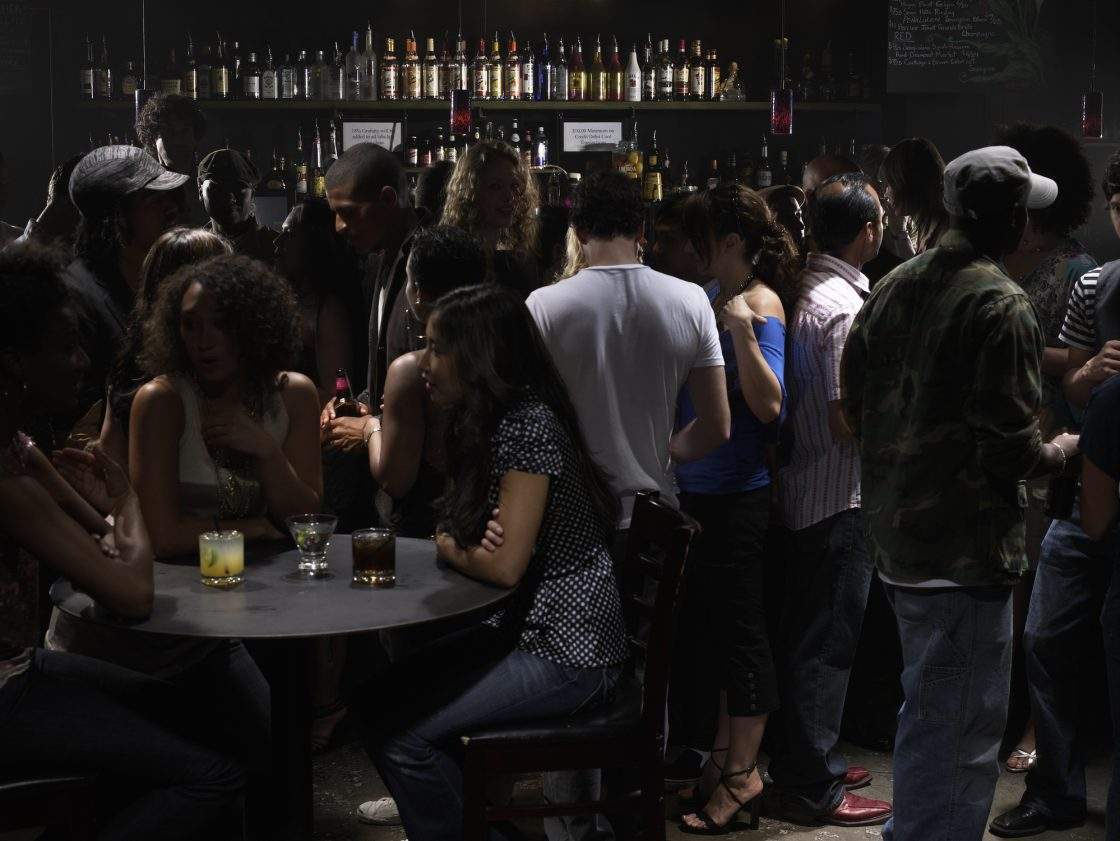
The air in Lagos is thick, a heavy blanket of humidity and ambition that clings to your skin the moment you step off the plane. For a Canadian traveling thousands of miles from the cold embrace of home, the sensory overload is intoxicating. There is the hum of generator engines rattling against the pavement, the scent of charcoal-grilled suya drifting from street corners, and the vibrant pulse of a city that never truly sleeps. After a long flight, the instinct for many is universal. You want to unwind. You want a drink.
You find yourself in a dimly lit lounge or perhaps a bustling neighborhood spot where the laughter is loud and the music vibrates through the floorboards. When the bartender pours the liquor, it looks pristine. The bottle is sealed, or perhaps it is poured from a familiar-looking label that reassures your weary brain with a whisper of domestic comfort. It is just alcohol. It is a simple indulgence at the end of a long journey.
Except, sometimes, it is not.
Behind the facade of vibrant nightlife and familiar social rituals lies a quiet, devastating hazard that has forced the government of Canada to issue urgent advisories to its citizens living and traveling in Nigeria. The warning is stark and uncompromising: avoid locally produced alcoholic beverages, particularly artisanal spirits and home-brewed variants, due to a severe and escalating risk of methanol poisoning.
To understand why this matters, why a simple glass of spirits can transform from a social lubricant into a silent executioner, we have to look past the bureaucratic language of travel advisories and examine the chemistry of deception.
Imagine standing in a rudimentary backyard distillery in the sweltering heat. The air smells sharp, fermenting, almost sweet. The process of making alcohol—ethanol—is an ancient art of fermentation and distillation. But distillation is a delicate science of boiling points. Ethanol vaporizes at around seventy-eight degrees Celsius. Methanol, a much more toxic industrial chemical often used as a solvent, antifreeze, or fuel, vaporizes at sixty-four degrees.
When illicit producers cut corners, skip vital purification steps, or use cheap industrial feedstocks to maximize profits, the fractions do not separate cleanly. Methanol stays behind in the brew, or worse, is introduced intentionally because it is cheap, potent, and indistinguishable by sight, smell, or taste from the alcohol you think you are buying.
It looks like vodka. It burns like gin. It tastes like a standard cocktail.
And then, the metabolic clock begins to tick.
In the human body, the liver treats alcohol with enzymatic machinery designed to break it down. When ethanol enters the system, alcohol dehydrogenase goes to work. But when methanol is present, that same enzyme prioritizes the breakdown of methanol, converting it into formaldehyde and, subsequently, formic acid.
Formic acid is a cellular poison. It attacks the optic nerve. It wreaks havoc on the central nervous system. It triggers a profound metabolic acidosis, effectively turning the body's internal chemistry violently acidic.
The terrifying part of methanol poisoning is its deceptive latency period. When you first consume the contaminated drink, you feel drunk. You might think you simply overindulged. You wake up the next morning with a headache that feels heavier than usual. But as the hours tick away, the real horror unfolds.
Consider what happens next in a victim's body. The vision begins to blur, as if a greasy film has been smeared across the lens of the eyes. Colors wash out. Objects look like they are viewed through a swirling blizzard. Within hours, total, irreversible blindness can take hold. And if the dose is high enough, the respiratory system simply forgets how to breathe. The heart stutters and stops.
This is not a hypothetical horror story invented to frighten tourists. It is a recurring public health crisis. In recent months, reports across Nigeria have highlighted tragic clusters of fatalities linked to toxic batches of locally brewed gin and adulterated commercial spirits. Friends gathering to celebrate, colleagues unwinding after a shift, travelers seeking local flavor—caught completely unawares by a poison they could neither see nor smell.
For Canadians abroad, the risk is amplified by a false sense of security. We are accustomed to highly regulated food and beverage supply chains back home. We trust the seal on the bottle. We trust that the government agency or local health board has inspected the brewery, tested the batch, and ensured that what is sold for human consumption will not destroy human organs.
Abroad, that safety net vanishes. In many developing economies, the informal economy thrives alongside the formal one. Unregulated local spirits—often referred to locally by various names depending on the region—can be dirt cheap, highly accessible, and deeply embedded in traditional hospitality. When a welcoming host hands you a glass of home-brewed schnapps, declining can feel socially awkward. It feels paranoid.
That politeness can be fatal.
The Canadian government does not issue travel warnings lightly. When Global Affairs Canada updates its advisory network to explicitly caution against consuming local alcohol in a specific country, it is responding to a demonstrable, life-threatening pattern. The recent deaths in Nigeria serve as a grim reminder that borders do not protect us from the consequences of unregulated chemical contamination.
So how do we navigate this invisible minefield?
First, shift your paradigm of risk. Understand that brand labels can be counterfeited with terrifying precision. Empty bottles are collected, refilled with toxic concoctions, and resealed with counterfeit caps that look identical to the real thing. Buying a recognized brand from a street vendor or an unlicensed establishment is no guarantee of safety.
Second, stick strictly to reputable, high-end establishments—international hotels, well-established upscale restaurants, and licensed venues that source their inventory through verified, official distribution channels. Even then, remain vigilant. If a drink tastes unusual, if it burns with an unnatural chemical harshness, or if you feel symptoms that go beyond a normal hangover—such as dizziness, abdominal pain, confusion, or visual disturbances—seek emergency medical help immediately. Time is the single most critical factor in surviving methanol poisoning. Early administration of antidotes like ethanol or fomepizole can block the enzyme conversion process and save a life.
Travel is supposed to be about expansion. It is about tasting new cultures, meeting new people, and stepping outside the boundaries of our daily comfort zones. But stepping outside those boundaries should never mean gambling with your life over a glass of spirits.
The night air in Lagos remains warm. The music still plays from the distance, carrying the rhythmic pulse of a resilient, beautiful culture. But beneath the neon lights and the vibrant chatter, the warning remains etched in quiet urgency. Pour carefully. Look closer. Sometimes, the most dangerous thing in the room is the one you cannot see.


