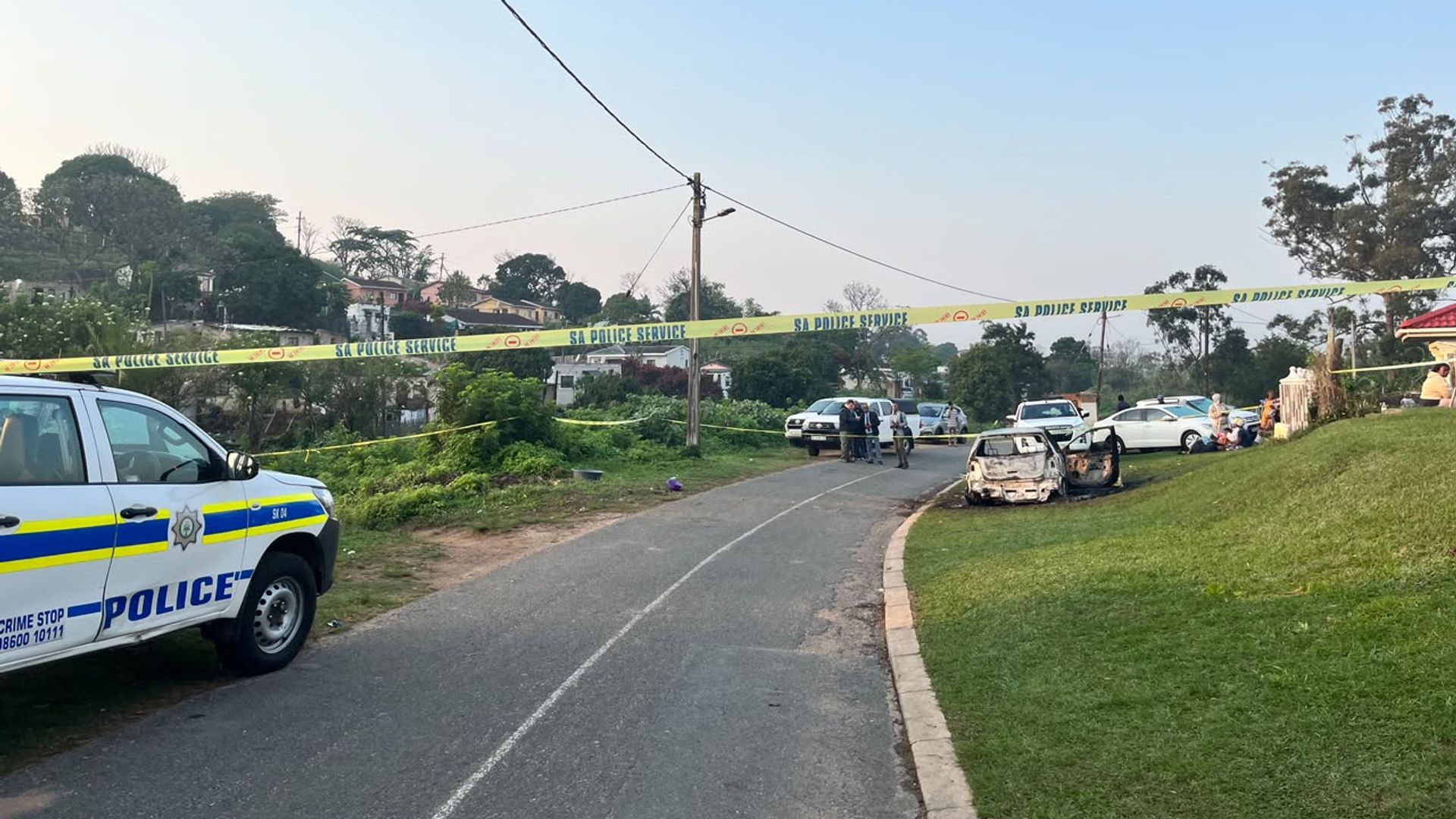
A simple knock at a residential door shattered a quiet evening in a Durban township, turning a routine gathering into a bloodbath. When three armed men forced their way into a home in KwaMakhutha, they didn't just target a house party; they added another grim statistic to a national crisis that has gripped South Africa. Eleven people died in the onslaught, including a pregnant woman, leaving communities questioning how everyday spaces have become so intensely dangerous.
Anatomy of a Night That Turned Fatal
The sequence of events unfolded rapidly as night fell and temperatures dropped. Partygoers who had initially gathered outside moved indoors to escape the cold. Around 11:00 PM, a sharp knock interrupted the music. Witnesses and local officials reported that once the door swung open, gunmen opened fire indiscriminately, forcing people into tight quarters before unleashing a barrage of bullets.
Ten victims died right at the scene, while an eleventh succumbed to wounds at a nearby hospital. Three others sustained severe injuries, and attackers torched a vehicle parked outside in what investigators suspect was an attempt to cover tracks or terrorize survivors further. KwaZulu-Natal Premier Thami Ntuli rushed to the site, calling the incident deeply disturbing and pointing to underlying local challenges involving illegal firearms and drug trafficking in densely populated pockets where homes sit mere meters apart without fences.
Why South Africa is Facing a Surge in Mass Shootings
This tragedy isn't an isolated anomaly. It's part of a brutal wave of mass shootings plaguing regions across South Africa. Earlier in the year, multiple gunmen killed 12 people in a Johannesburg neighborhood, and prior string attacks claimed dozens more lives in separate incidents.
Criminologists and law enforcement experts point to several systemic failures:
- Illegal Firearms: Thousands of unregistered, illicit weapons circulate freely within vulnerable townships.
- Organized Crime Syndicates: Local turf wars, extortion rackets, and drug distribution networks routinely settle disputes with absolute lethal force.
- Under-Resourced Policing: Local police infrastructure often struggles to maintain a preventive presence, prompting controversial military deployments in major urban crime hotspots.
Official crime statistics reflect a staggering baseline of violence, with thousands of homicides recorded over short quarterly stretches. When illegal weapons are cheap and readily accessible, routine neighborhood disputes or targeted criminal feuds escalate into mass casualties instantly.
The Search for Accountability and Real Solutions
Following the KwaMakhutha attack, the acting national police commissioner ordered a specialized 72-hour operational deployment to track down the three suspects. Yet, community leaders argue that short-term sweeps aren't enough. Real safety requires dismantling local weapon pipelines, addressing poverty, and securing communities that lack basic infrastructural defenses.
As forensic teams comb through yellow-taped crime scenes and families lay loved ones to rest under white sheets, the pressure mounts on authorities to move past temporary task forces. Stopping the bloodshed demands a permanent overhaul of firearm control and community security before another ordinary gathering ends in unthinkable tragedy.
Mass shooting at a house party in South Africa kills 11, including a pregnant woman
This footage provides a direct look at the police response and forensic investigation at the KwaMakhutha township scene following the attack.


