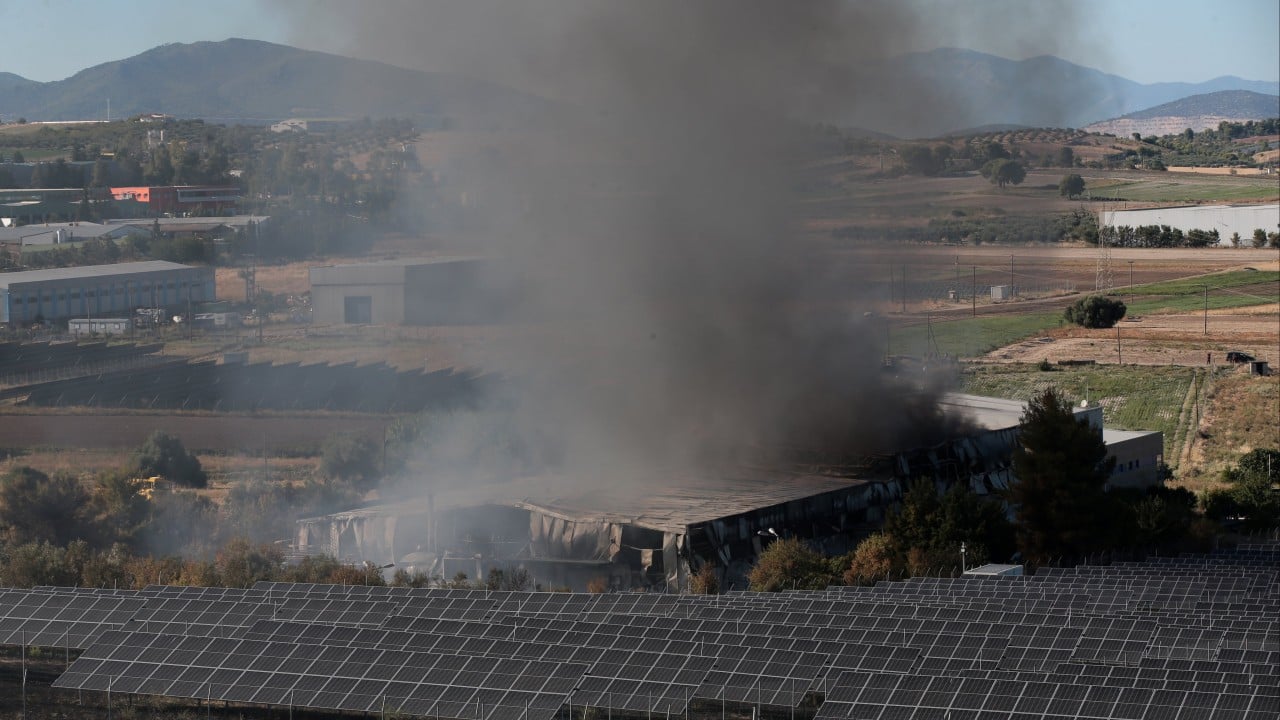
Two veterans of the Hellenic Air Force lost their lives when an F-4 Phantom II fighter jet slammed into the ground at Tanagra Air Base during the Athens Flying Week air show. The crash occurred within the opening minutes of a live aerial demonstration, turning a routine weekend exhibition into a stark reminder of the risks military pilots face even outside active combat zones. Thousands of spectators watched as the twin-seat aircraft executed a low-altitude turn, lost vertical control, and broke apart upon impact, triggering a wildfire that required extensive emergency deployment.
Military aviation operates on an unforgiving margin of error. When an air force flies vintage airframes, that margin shrinks further. The McDonnell Douglas F-4 Phantom II entered operational service during the Vietnam War era. While modernized electronic suites and structural overhauls can extend an airframe's calendar life, the laws of physics and material fatigue remain absolute. Asking a Cold War-era interceptor to perform high-g maneuvers at low altitude places immense stress on hydraulic lines, flight control systems, and aging metal fatigue points.
Air shows carry a unique operational hazard profile. Pilots operating under civilian observation are routinely pushed to perform maneuvers at lower altitudes and higher angles of attack than standard training dictates. The pressure to deliver a dynamic visual spectacle for a crowd of thousands creates a psychological environment where risk tolerance shifts. A standard tactical recovery that might be executed at three thousand feet during a combat readiness exercise becomes compressed to a few hundred feet above a runway.
The structural demands placed on an F-4 during an air show routine are severe. High-speed low passes followed by sharp vertical climbs subject the airframe to extreme structural loads. Older analog flight control systems lack the computer-managed flight envelope protections found in modern fly-by-wire jets like the Rafale or F-35. The pilot is directly managing aerodynamic stall boundaries through mechanical linkages and hydraulic actuators, leaving little room for mechanical hesitation or human misjudgment.
Safety protocols across European military demonstration teams have faced growing scrutiny following a series of tragic accidents at public events over the past decade. Defense ministries frequently balance public relations and recruitment goals against operational risk. Air shows serve as primary recruitment tools and public displays of national defense capability. Yet every time an air force puts a vintage jet into a low-level aerobatic routine, it assumes a calculated risk that extends beyond routine flight training.
The Greek Ministry of Defense declared three days of mourning following the disaster at Tanagra, while investigators from the Hellenic Air Force safety board began the painstaking process of recovering flight data recorders and analyzing spectator video footage. The investigation will examine engine performance, hydraulic pressure integrity, and pilot inputs during the final seconds of flight.
Military air arms will continue to weigh the traditions of air show participation against the physical realities of operating aging fleets. The loss of experienced aviators highlights a cost that extends far beyond the fiscal expense of lost hardware.
The wreckage at Tanagra has been cleared, but the operational questions regarding the viability of flying legacy combat aircraft in low-altitude flight demonstrations remain entirely unresolved.