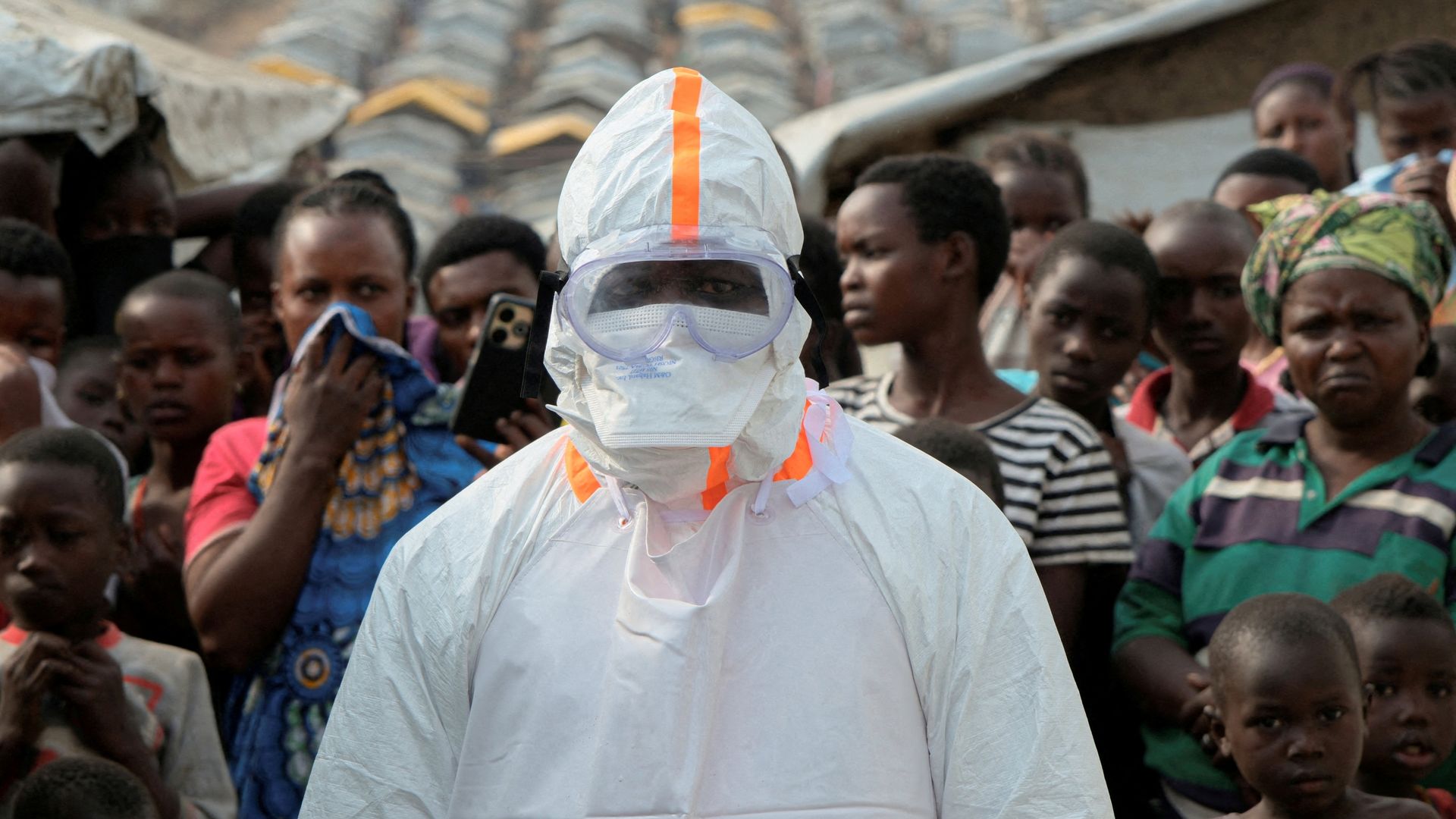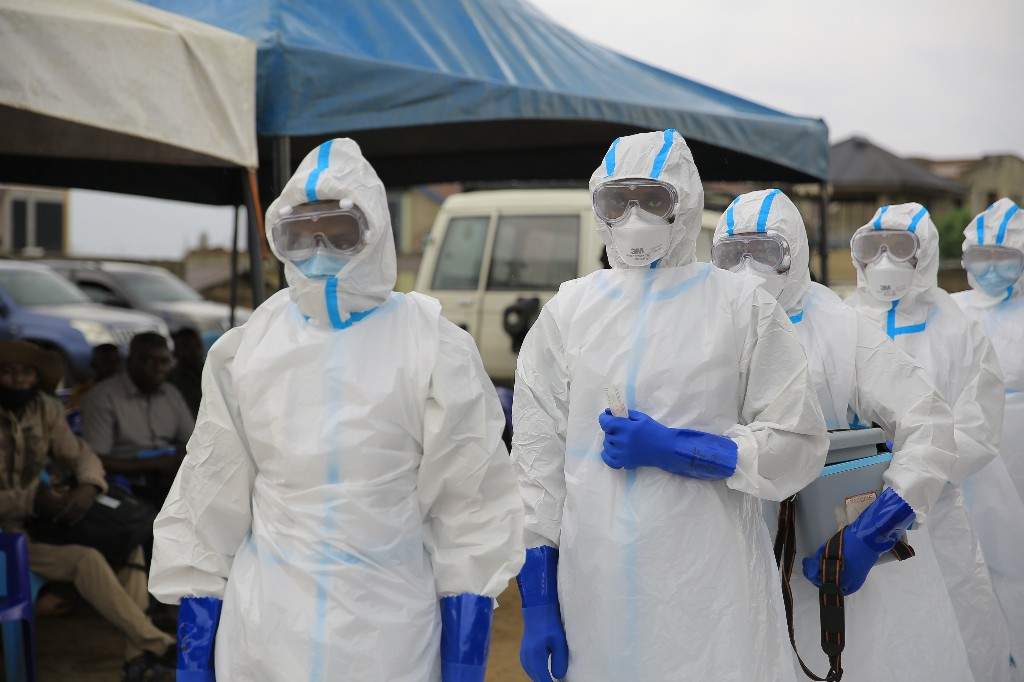
The physical exhaustion of a frontline health worker during an active epidemic is a quiet, devastating collapse. When an Ebola outbreak takes root in regions already fractured by institutional neglect, the immediate panic centers on the virus itself. Yet the true vulnerability lies elsewhere. It rests in the chronic deficit of trained medical personnel, a systemic failure that turns manageable localized outbreaks into prolonged regional catastrophes.
Democratic Republic of Congo health systems have long operated under immense strain. Decades of infrastructure deficits, irregular salary disbursements, and isolated rural outposts mean that hospitals are perpetually understaffed even during quiet epidemiological periods. When viral hemorrhagic fever arrives, the system does not bend; it breaks. Learn more on a connected subject: this related article.
The Anatomy of Operational Strain
Epidemiological containment relies on a precise ratio of clinicians, contact tracers, hygienists, and laboratory technicians to infected individuals. In many remote health zones across Central Africa, that ratio is inverted. A single nurse might manage dozens of high-risk patients while simultaneously overseeing triage and community outreach.
Burnout is not an abstract human resources metric in this context. It is a biological hazard. More reporting by Psychology Today highlights comparable views on the subject.
When clinicians work sixteen-hour shifts inside sweltering personal protective equipment, cognitive errors multiply. The risk of needle-stick injuries spikes. The psychological toll of watching patients deteriorate without access to advanced critical care creates profound trauma, driving qualified professionals away from treatment centers entirely.
Why Recruitment Stalls
International aid agencies frequently rush financial resources into a crisis zone once international media picks up the story. Money, however, does not immediately translate into qualified boots on the ground.
- Credentialing bottlenecks: Deploying regional experts requires navigating bureaucratic and cross-border licensing agreements that take months to resolve when weeks are required.
- Security risks: Medical facilities in conflict-affected areas are frequently targeted or viewed with intense local suspicion, deterring both local and international volunteers.
- Compensation delays: Local healthcare workers often strike or refuse hazardous deployments simply because they have not received hazard pay promised by distant ministries.
Trust is the currency of epidemic response. When community members see local doctors striking over unpaid wages or observe foreign teams arriving with exorbitant logistical footprints while local clinics lack basic sanitation supplies, resistance grows. Rumors replace public health messaging. Isolation centers become targets of community hostility rather than sanctuaries of healing.
The Structural Fix We Refuse to Fund
Emergency funding models remain fundamentally reactive. Donors open their wallets only when body counts rise and global markets tremble. By then, the window for efficient containment has narrowed dangerously.
Building a resilient health workforce requires sustained, multi-year investments in domestic training institutions, secure payroll architectures, and decentralised supply chains. It means treating healthcare infrastructure as national security infrastructure. Until international bodies and domestic governments shift their financial architecture from emergency response to permanent capacity building, every new outbreak will expose the exact same fatal flaw.
The virus is opportunistic. The human architecture designed to stop it must finally be built to last.