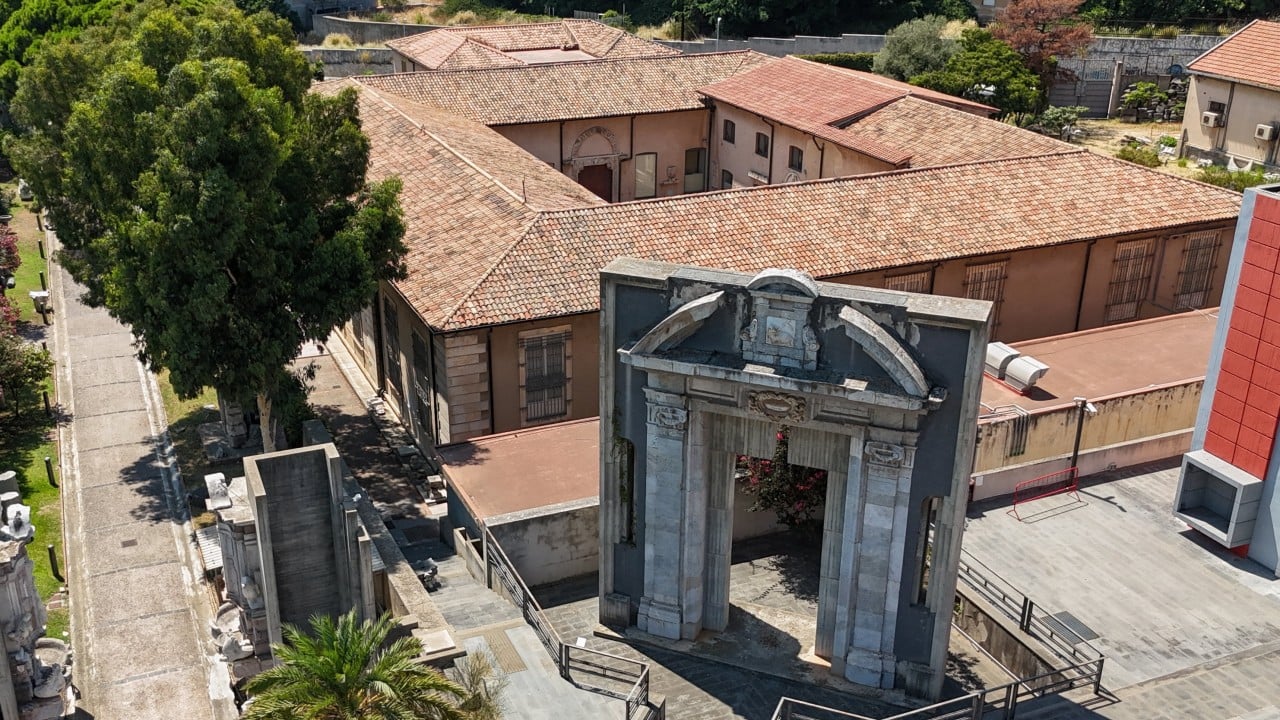
Four priceless Renaissance panels attributed to Antonello da Messina vanished from the Museo Regionale di Messina (MuMe) in Sicily during the peak of the Ferragosto holiday, exposing glaring vulnerabilities in regional European security infrastructure.
Operating under the cover of national celebrations on a Saturday night, professional perpetrators bypassed advanced alarms and tactical display casing to strip three panels from the 1473 San Gregorio Polyptych alongside a vital double-sided devotional work. Art market specialists value the stolen cultural heritage between 70 million and 80 million euros. Yet, the true crisis extends far beyond a balance sheet of estimated market worth. This catastrophe highlights an ongoing systemic failure across Mediterranean institutions: chronic underfunding, over-reliance on automated security during major holiday dispersals, and a flourishing illicit underground market that treats irreplaceable antiquities as transactional leverage.
The Anatomy of an Opportunistic Strike
Timing remains the signature of sophisticated art theft. By executing the breach on August 15, the perpetrators exploited a well-documented blind spot in Italian municipal oversight. While crowds converged on the Piazza Duomo for the Assumption festivities, institutional staffing levels dropped to bare-minimum operational requirements.
Security teams on site reported that alarms functioned dynamically, yet physical intervention units found themselves bottlenecked by urban congestion blocks celebrating the holiday. The thieves forced an armored display case to extract the Pietà panel and dismantled the structural framing of the San Gregorio Polyptych. Notably, they abandoned two additional panels against a low courtyard wall during their escape route, signaling either an unplanned disruption or a weight-capacity constraint during transport.
Panic and tactical errors during exfiltration point toward a specialized crew operating under intense time constraints. However, the precision required to unseat centuries-old painted wood panels without catastrophic structural fracturing indicates specialized knowledge or internal reconnaissance.
The Market Realities of Unsellable Masterpieces
Amateur observers often assume that headline-grabbing thefts imply a wealthy private collector commissioned the crime. Decades of tracking high-profile illicit antiquities prove otherwise. Antonello da Messina occupies a singular tier in art history, credited with introducing northern European oil-glazing techniques to Italian masters. His surviving local oeuvre in Sicily is exceptionally sparse, rendering these specific panels radioactive within legitimate auction houses and private galleries.
An expert on international art trafficking notes that attempting to liquidate an iconic Antonello panel through conventional channels is functionally impossible. Every museum registrar, customs official, and reputable dealer globally has received the recovery red flags.
Instead, high-value cultural properties function as underground currency. Organized crime syndicates utilize stolen masterworks as collateral in narcotics distribution networks, weapons trafficking, or as leverage points during plea negotiations with prosecuting authorities. The theft is less about aesthetic appreciation and more about securing liquid credit within criminal subcultures.
The Political and Economic Catalyst
Timing rarely occurs in a vacuum within the art world. Months before the MuMe breach, Italy’s Culture Ministry aggressively pursued international acquisitions, purchasing da Messina’s devotional painting "Ecce Homo" via Sotheby’s in New York for nearly fifteen million dollars.
That high-profile transaction triggered a massive surge in global visibility for the fifteenth-century master. It thrust regional institutions into the spotlight, reminding international observers of the staggering wealth locked inside provincial Italian museums. Regional cultural coordinators warned that heightened institutional profiles require matching budgetary allocations for physical security upgrades. Those warnings went unheeded. State-level acquisition hype outpaced local municipal defense budgets, creating an attractive target profile for coordinated theft rings tracking state-sponsored publicity campaigns.
Structural Decay Across Regional Archives
The Messina disaster is an isolated shock only to those unfamiliar with the state of southern European heritage preservation. Across Italy, Spain, and Greece, hundreds of municipal museums rely on nineteenth-century structural envelopes retrofitted with twentieth-century electronic tripwires.
Budgets prioritize tourism marketing and visitor throughput over perimeter hardening. When funding shrinks, security contracts face immediate dilution. Museums substitute active, highly trained security patrols with passive infrared sensors and automated camera feeds monitored remotely by third-party contractors. Those remote operators often manage dozens of facilities simultaneously, introducing critical response-time delays during active breaches.
Furthermore, wooden panels from the early Renaissance demand strict climate control paired with physical shock-absorption casings. When thieves can systematically dismantle altarpieces from their mounts under the cover of a predictable holiday schedule, the failure is institutional, not merely technical.
The recovery window for works of this magnitude operates on a razor-thin margin. If law enforcement fails to locate the panels within the initial forty-eight-hour containment window, the objects frequently vanish into multi-jurisdictional holding networks where they remain hidden for decades. Messina stands stripped of its foundational artistic identity, waiting to see whether global intelligence networks can intercept the cargo before it crosses the Mediterranean basin.