The High Cost of the Secured Aisle
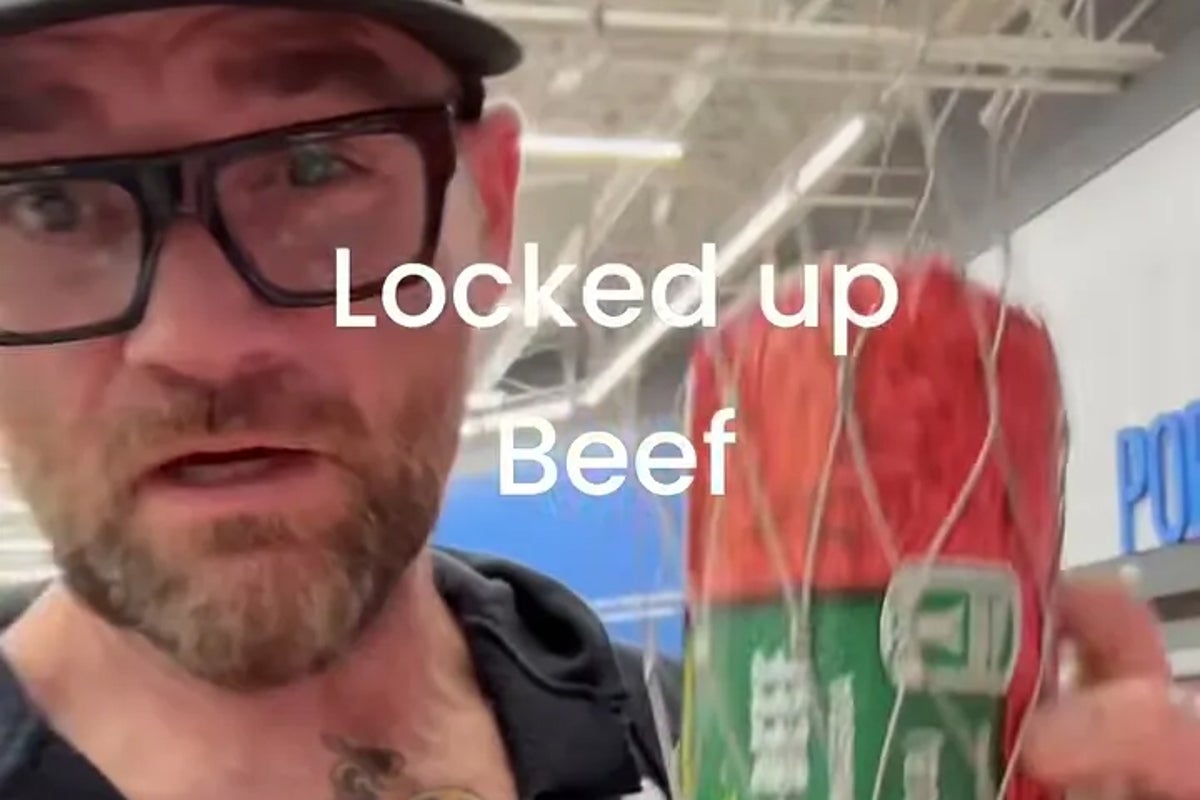
A walk down the grocery aisle in California has become an exercise in frustration. Walk into a major retail outlet in Oakland, Los Angeles, or Sacramento, and you will find the ribeye steaks, flank steaks, and even basic ground beef sealed behind thick plexiglass doors. To buy dinner, you must press a button and wait for an employee with a key.
This is the reality of the retail lockdown epidemic. While early media reports focused on the novelty of locked-up beef as a bizarre reaction to localized shoplifting, the strategy reflects a systemic shift in how major corporations manage thin profit margins in high-crime areas. Retailers are not just trying to stop opportunistic thieves. They are fundamentally restructuring the modern shopping experience, shifting the burden of security directly onto the consumer.
The math behind this decision is brutal. Grocery operations survive on razor-thin margins, often hovering between one and two percent. When a cart full of premium meat walks out the door unpaid, a store has to sell dozens more just to break even on the loss. Locking up inventory protects the bottom line, but it introduces a secondary crisis: the erosion of customer goodwill and a sharp decline in impulse purchases.
Why Meat Became the New High-Value Target
Shoplifting has evolved far beyond the stereotype of a lone individual slipping an item into a jacket pocket. Today, organized retail crime rings drive the vast majority of significant losses. These sophisticated networks target specific categories of goods that share three distinct traits: high resale value, ease of liquidation, and universal demand.
Meat fits this description perfectly. Unlike electronics, which often require activation codes or carry traceable serial numbers, a package of steak is anonymous. It can be sold quickly to unscrupulous local restaurants, open-air markets, or individual buyers looking for a discount. The turnover is fast because the product is perishable, meaning the evidence disappears rapidly.
[Organized Retail Crime Pipeline]
Store Shelf -> Illicit Booster -> Fencer/Aggregator -> Illicit Wholesale/Resale
Retailers track these losses using a metric called shrink, which encompasses theft, damages, and administrative errors. When shrink spikes in a specific category, automated corporate systems trigger defensive merchandising protocols.
The Friction Factor in Modern Shopping
When a supermarket chains a refrigerator door, it introduces friction into the purchasing process. Behavioral economics dictates that any obstacle placed between a consumer and a product reduces the likelihood of a sale.
- The Wait Time: A shopper pressed for time will bypass an item if they must wait three to five minutes for an employee to arrive.
- The Stigma: Some consumers feel embarrassed asking an associate to unlock everyday food items, feeling as though they are under suspicion.
- The Labor Deficit: Stores operating on skeletal staffing struggles to respond to service bell rings, leaving customers abandoned in the aisles.
Data from retail consulting firms suggests that locking up a product category can cause an immediate sales drop of 15% to 25% for those specific items. For corporate executives, however, a 20% drop in sales is preferable to a 100% loss on stolen inventory. It is a defensive retreat, not a winning strategy.
The Policy Environment Shaping California Retail
To understand why California stores have become the epicenter of this trend, one must look at the legal framework governing theft in the state. Proposition 47, passed by voters in 2014, raised the threshold for felony shoplifting to $950.
This legal shift changed the risk-reward calculus for shoplifters. Misdemeanor property crimes rarely result in meaningful jail time or active prosecution in overburdened urban jurisdictions. Police departments, facing staffing shortages of their own, prioritize violent offenses over property crimes, often arriving hours after a retail theft report is filed, if they arrive at all.
The Limits of Private Security
Corporate policy further complicates the situation. Most major retailers explicitly forbid floor staff and even basic security guards from physically intervening during a theft.
Corporate Liability Rule: Protecting merchandise is never worth the cost of a wrongful death lawsuit, an injured employee, or a worker's compensation claim.
If a clerk attempts to stop a shoplifter and the encounter turns violent, the financial liability for the corporation can easily reach millions of dollars. Organized theft rings know this. They enter stores with the full awareness that employees will stand aside as they fill bags with merchandise.
Faced with legal structures that minimize criminal consequences and corporate rules that prevent physical intervention, retailers are left with physical infrastructure as their only line of defense. If human beings cannot stop the theft, the architecture of the store must do it.
The Unintended Consequences for Communities
The long-term danger of the retail lockdown extends far beyond consumer annoyance. When corporate offices decide that a specific location is no longer profitable due to sustained shrink, they do not just lock up more items. They close the store entirely.
This trend drives the expansion of food deserts in working-class neighborhoods. When a major supermarket pulls out of a community, residents lose access to fresh produce, quality meats, and pharmacy services. The remaining options are often corner stores and fast-food outlets, which worsens public health outcomes.
High Theft Rates -> Increased Store Friction -> Declining Profitability -> Store Closure -> Food Desert Expansion
Smaller independent grocers lack the capital to invest in expensive locking cases or facial recognition technology. They absorb the losses until they can no longer pay rent, quietly shutting down without the national media coverage that accompanies a major chain closure.
The Technological Future of Loss Prevention
As plexiglass cases prove to be a crude, unpopular fix, the industry is shifting toward more advanced technological barriers.
Some chains are experimenting with smart carts that lock their wheels if they attempt to exit the store without passing through a functional point-of-sale lane. Others are deploying artificial intelligence camera networks that analyze shopper behavior in real-time, flagging erratic movements or the mass clearing of shelves to asset protection teams before the suspect reaches the exit.
Another approach involves digital access control. Customers may soon need to scan a loyalty app or insert a valid credit card just to open a refrigerator door, tying the physical access of the goods directly to a verified identity. This removes anonymity from the shopping process entirely.
Every defensive measure comes with a price tag. The millions spent on smart infrastructure, security personnel, and specialized display cases are not absorbed by corporate headquarters. They are factored into the cost of doing business, ultimately reflected in higher prices at the register for law-abiding consumers who pay for their groceries. The locked box of beef is not a permanent solution; it is a visible symptom of a retail model under severe economic strain.