The arrest of multiple suspects near Royal Air Force Fairford in Gloucestershire laid bare a terrifying operational reality. State-backed proxy networks are no longer launching sophisticated cyber intrusions from afar; they are renting vans, slapping sham commercial logos on the side, and driving directly toward the perimeter fences of critical Western strike hubs.
When British counterterrorism police and military specialists locked down the sleepy English countryside surrounding the installation, the official statements emphasized vigilance. Beneath the diplomatic polish, however, a deeper geopolitical reckoning was underway. This was not a random brush with rogue criminality. Federal indictments unsealed in New York tied the Gloucestershire operation directly to a wider, coordinated campaign orchestrated by Iran-aligned networks—specifically Kata'ib Hezbollah and the Islamic Revolutionary Guard Corps—targeting Western military assets across Europe.
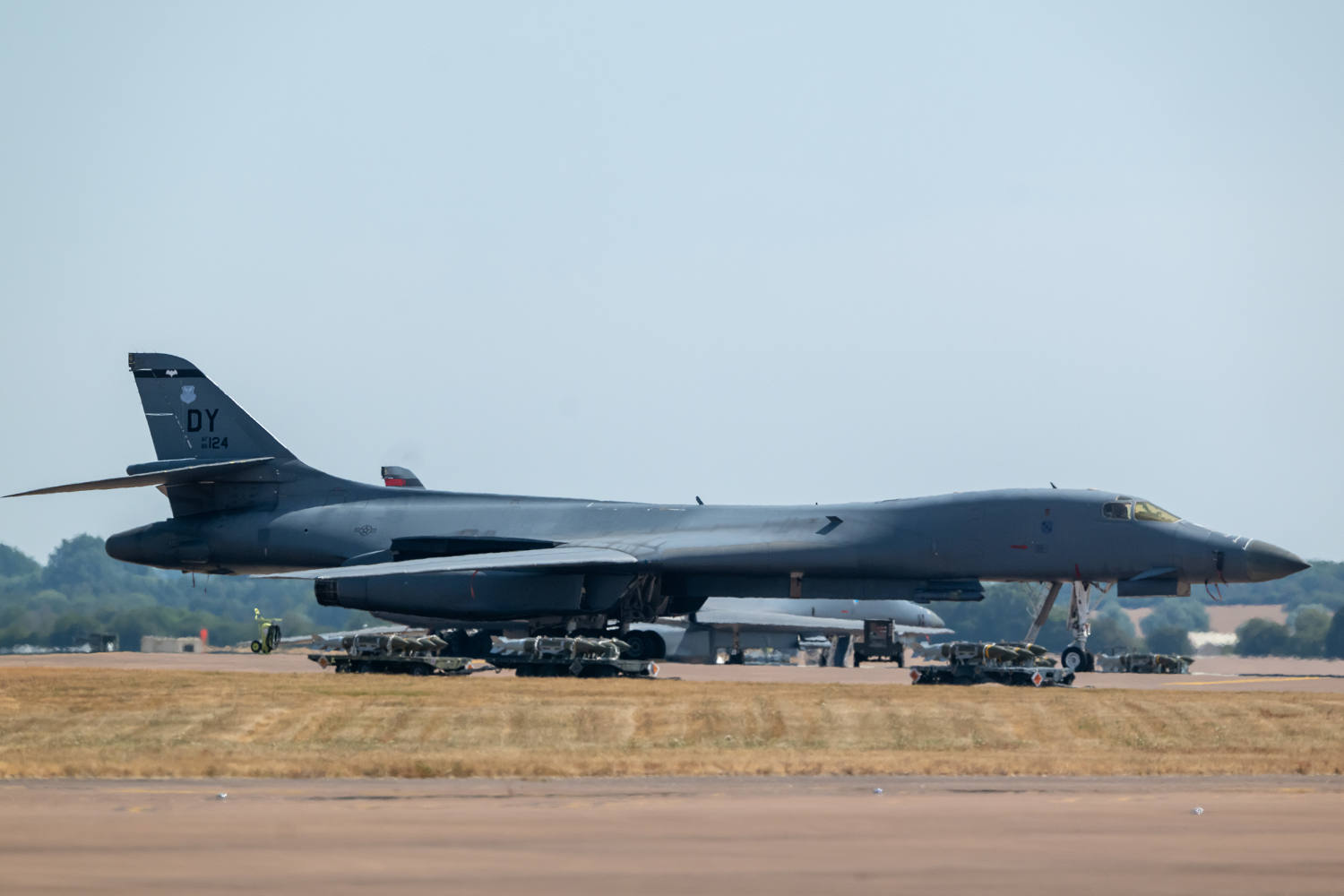
The mechanics of the plot read like a case study in modern asymmetrical warfare. According to court documents, operatives sitting thousands of miles away managed local assets using encrypted communications, directing foot soldiers to rent vehicles, stockpile fuel drums, and source metal fragments meant to act as shrapnel. The target was unmistakable. RAF Fairford has long served as a vital staging post for United States long-range strategic bombers, a capability that placed a massive bullseye on the facility the moment tensions escalated into active conflict in the Middle East.
Yet, what troubled intelligence veterans more than the sophistication of the plot was its amateurish execution and accidental discovery. The network did not crumble because of a high-tech signals intelligence intercept or a preemptive cyber raid by a premier intelligence agency. It stalled because a local farmer returning home late at night noticed a convoy of vans parked in an abnormal formation, grew suspicious, and dialed the authorities.
That reliance on civilian happenstance exposed a glaring fracture in base security. Perimeter defense doctrines designed during the Cold War to repel organized military assaults are ill-equipped for a gray-zone threat environment. In this new paradigm, hostile states utilize local proxies who blend seamlessly into civilian traffic, exploiting open democratic infrastructure until the final moment of execution.
The immediate fallout was swift. The United States military moved critical assets away from exposed British installations, shifting aerial refueling fleets and specialized aircraft to deeper continental redoubts in Germany and Spain. Meanwhile, local lawmakers voiced mounting panic over the proximity of residential communities to high-value military targets. Residents who once viewed the distant roar of B-1 bombers as a routine backdrop to rural life suddenly found themselves living on the front lines of an international shadow war.
Intelligence agencies across Europe are now forced to reevaluate the threat matrix posed by decentralized proxy cells. When foreign handlers can remotely direct individuals to purchase accelerants and scout airfields under the guise of commercial delivery work, the threshold for deterrence shifts dramatically. The Gloucestershire incident proved that stopping a catastrophic attack often relies less on infallible surveillance and more on the sharp eye of a passing civilian on a dark country road.
The vans have been towed, the suspects have faced formal charges, and the legal machinery across two continents has ground into motion. But the perimeter remains porous, and the shadow war has proven that the distance between a quiet English village and a global geopolitical flashpoint is measured in inches.