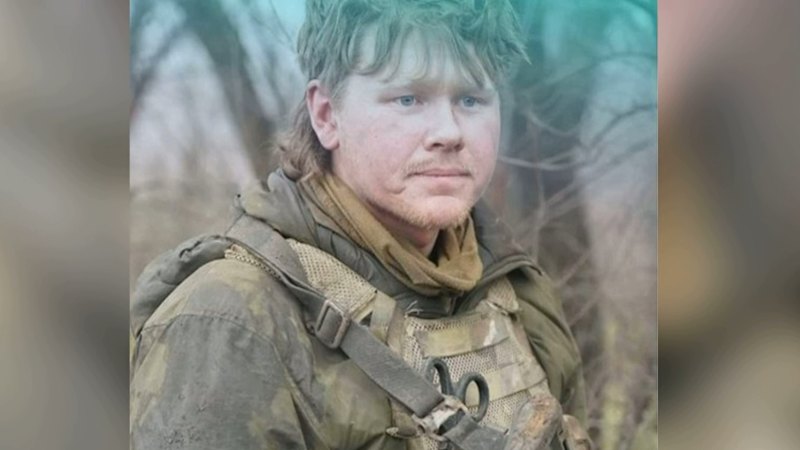
The death of former Australian Defence Force personnel in Ukraine, including specialists like former combat instructor Samuel Pedrazzini, exposes a complex web of individual conviction, institutional silence, and geopolitical friction. Canberra maintains a rigid "do not travel" stance, yet an undisclosed number of trained professionals continue trading the safety of Australian barracks for the brutal trenches of the Donbas. This migration of tactical expertise raises uncomfortable questions about modern state loyalty, the allure of ideological combat, and the legal limbo facing veterans who choose to cross the line.
When a professional soldier leaves regular service, their operational knowledge does not vanish. It remains a high-value commodity. For men like Pedrazzini, who transitioned from training Ukrainian recruits in the United Kingdom to direct frontline combat in Donetsk, the journey from instructor to active participant highlights a distinct psychological shift. Many of these volunteers are not reckless mercenaries seeking fortune. They are often highly trained specialists reacting to a moral imperative that supersedes official foreign policy. They see a conventional war of attrition grinding down a democratic state, and their professional instincts tell them they possess the exact skills required to help.
The Australian government finds itself in an unenviable regulatory bind. Under domestic legal frameworks, participating in foreign conflicts can trigger severe legal complications. Official Canberra cannot endorse these deployments without implicitly undermining its own neutrality and statutory codes. Consequently, when reports filter back through local media or social channels regarding a fallen veteran, the official response is typically muted. Consular assistance is provided to grieving families, but public commemoration is heavily constrained by legal realities.
This creates a profound disconnect between public sentiment and statecraft. Grassroots support networks within Australia often view these volunteers through the lens of historical tradition, labeling them modern-day volunteers who stand against authoritarian expansion. Conversely, defense officialdom views unauthorized combat deployments through a risk management matrix that prioritizes national security and diplomatic predictability over individual moral crusades.
Understanding why these veterans go requires looking past the political rhetoric and examining the micro-culture of elite units. Professional soldiers spend years honing specialized proficiencies in medicine, explosives, and small-unit tactics. When a conflict of this magnitude erupting in Europe dominates the global stage, the cognitive dissonance of sitting safely in regional Australia while peers fight overseas becomes intolerable for a specific demographic of service members. The transition from active duty to civilian life is notoriously difficult; the Ukrainian international legion offers a grimly familiar structure, a clear sense of purpose, and an immediate application of lifelong training.
The human cost of these decisions is borne almost entirely by the families who remain behind. In cases like Pedrazzini's, grieving parents have undertaken hazardous journeys directly into active war zones simply to retrieve remains or attend makeshift military funerals in western Ukraine. These are not sanitized state funerals with full honors broadcast on national television. They are quiet, high-risk affairs conducted under the looming threat of aerial bombardment, far removed from the bureaucratic comforts of the country these men originally swore to defend.
As the conflict stretches forward, the phenomenon of the transient Western soldier remains an unacknowledged friction point in international relations. Governments prefer tidy categorizations, but human motivation refuses to stay neatly within legal boundaries.
Fallen Australian Soldier In Ukraine
This video provides a direct look at the reporting surrounding Australian volunteers who leave the security of home to assist on the frontlines in Ukraine.