A Systemic Failure Spreading Across State Lines
Health officials have confirmed that a major parasite outbreak linked to contaminated produce has expanded into four additional states, pushing the nationwide tally of sickened individuals sharply higher. The culprit, microscopic intestinal parasites such as Cyclospora cayetanensis or Cryptosporidium, causes severe gastroenteritis, violent diarrhea, and debilitating stomach cramps that can persist for weeks if untreated. Public health agencies are racing to trace the origin back through agricultural supply chains, but the expanding geographic footprint highlights a critical vulnerability in how leafy greens and fresh fruits are grown, harvested, and distributed across the country.
The sudden addition of new states to an outbreak map is rarely a sign that contamination happened yesterday. Instead, it reflects the slow, agonizing lag built into federal and state disease surveillance systems. By the time patient stool samples are gathered, tested by state laboratories, sequenced, and uploaded to national databases, weeks have passed. The contaminated lettuce, cilantro, or berries that caused the initial infection have long since cleared grocery store shelves and kitchen refrigerators. Consumers are left nursing severe dehydration while investigators work backward through thousands of shipping manifests. You might also find this similar article useful: The Price of a Pill.
This structural lag creates a dangerous illusion of control. Regional health departments issue warnings long after the peak vector of exposure has passed. Behind the public health alerts lies a harsher reality. Modern agricultural logistics move fresh produce from a farm in Central America or the Salinas Valley to a consumer’s dinner table in less than 72 hours, yet the public health system designed to catch microscopic threats operates on a timeline measured in weeks.
Why Modern Agricultural Supply Chains Excel at Moving Pathogens
To understand how a single agricultural field can trigger multi-state medical emergencies, one must look at the mechanics of commercial produce packaging. Fresh fruit and vegetables are no longer harvested, packed into wooden crates, and sold locally. They are routed through massive consolidation facilities where produce from dozen of independent farms is mixed, washed, bagged, and shipped nationwide. As reported in detailed coverage by Everyday Health, the implications are significant.
This centralization creates an efficiency marvel, but it also creates a massive force multiplier for foodborne pathogens.
Consider a hypothetical processing plant handling thousands of pounds of fresh basil every hour. If a single agricultural worker lacks proper sanitary facilities, or if an upstream irrigation canal suffers runoff from a neighboring livestock operation, a small cluster of parasite oocysts enters the facility. When that contaminated batch hits the industrial washing tanks, the water itself becomes a distribution channel. Unless chemical sanitizers are precisely calibrated every minute, the wash water spreads the parasite from a single bundle of basil across thousands of sealed plastic clamshell packages bound for half a dozen distribution centers.
[ Farm Harvest ] ──> [ Central Processing ] ──> [ Industrial Washing ] ──> [ Multi-State Distribution ]
        │                       │                        │                           │
  Single source           Mixing batches         Cross-contamination         Rapid spreading to
  contamination          from multiple sites        in wash water             retailers nationwide
The physical characteristics of parasites like Cyclospora make them uniquely suited to bypass traditional food safety defenses. Unlike common bacteria such as E. coli or Salmonella, parasites do not multiply outside a human host. However, their microscopic eggs, known as oocysts, are encased in remarkably durable outer shells.
- They resist standard chlorine rinses used in commercial packaging operations.
- They survive cold storage and refrigerated transport without losing viability.
- They require extremely low infectious doses, meaning a handful of invisible oocysts can trigger weeks of severe illness.
- They bond tightly to the microscopic crevices of leaves and fruit skins, making home washing largely ineffective.
The Traceability Illusion and the Limits of Testing
When an outbreak hits national news, public health agencies urge consumers to check their pantries and throw out affected products. Yet behind the scenes, federal inspectors face an almost impossible task when attempting to trace a parasite back to its point of origin.
Agricultural supply chains rely on a complex network of middle-men, re-packers, brokers, and third-party logistics firms. A bag of mixed salad greens purchased in Ohio might contain romaine from California, radicchio from Arizona, and baby spinach imported from Mexico. Documentation along this chain is notoriously fragmented. While major retail chains track inventory with barcoding systems, the paper trail often dissolves once inspectors step back into regional distribution hubs or foreign farms.
                     ┌──> Broker A ──> Processor X ──> Grocery Chain 1
[ Import / Harvest ] ┼──> Broker B ──> Repacker Y  ──> Grocery Chain 2
                     └──> Broker C ──> Processor Z ──> Foodservice / Restaurants
Even when inspectors narrow down the source to a specific valley or growing region, environmental testing frequently yields dead ends. Parasite oocysts do not culture easily in laboratory settings. Identifying them in soil or irrigation water requires specialized filter techniques and high-volume water sampling that standard field inspections rarely employ.
Furthermore, because Cyclospora oocysts require days or weeks in ambient environmental conditions to mature and become infectious after being shed, the original point of contamination may look entirely clean by the time federal investigators arrive on site with sample kits.
The Unspoken Impact on Chronic Health and Healthcare Systems
Public health reporting tends to treat foodborne parasite infections as temporary disruptions—a unpleasant week or two of gastrointestinal distress resolved with a prescription of targeted antibiotics like trimethoprim-sulfamethoxazole. For thousands of patients, however, the medical reality is far more severe and lasting.
Extensive clinical literature demonstrates that severe enteric infections can trigger long-term autoimmune and functional gastrointestinal disorders.
Post-Infectious Irritable Bowel Syndrome
A significant percentage of patients who contract severe parasitic infections go on to develop Post-Infectious Irritable Bowel Syndrome (PI-IBS). Even after the parasite has been entirely cleared from the body, the structural damage and inflammation inflicted on the gut mucosal lining leave the nervous system of the intestines hypersensitized. Patients suffer from chronic abdominal pain, severe bloating, and unpredictable bowel habits for years after the initial outbreak has faded from headlines.
Reactive Arthritis and Systemic Inflammation
In severe cases, systemic inflammation triggered by enteric pathogens can manifest as reactive arthritis, causing painful joint swelling and stiffness that persists for months. For elderly individuals, young children, or immunocompromised patients, prolonged diarrhea leads to dangerous electrolyte imbalances, severe dehydration, and secondary kidney complications requiring extended hospitalization.
The economic strain extends well beyond medical bills. Lost workplace productivity, repeated doctor visits, specialized diagnostic testing, and long-term symptom management stack up quickly. Yet these secondary costs are almost never included in standard economic evaluations of foodborne illness outbreaks, hiding the true price tag of systemic agricultural oversights.
Regulatory Blind Spots and Foreign Import Challenges
The expansion of parasite outbreaks across multiple states inevitably raises uncomfortable questions regarding regulatory oversight and enforcement capabilities. While federal frameworks like the Food Safety Modernization Act were enacted to pivot national strategy from reaction to prevention, critical gaps remain unaddressed.
A massive portion of fresh produce consumed in the United States during winter and spring months is imported from overseas farms located in warmer climates where parasites like Cyclospora are endemic in local water supplies. Federal inspection agencies inspect less than two percent of imported fresh produce entering border ports. The sheer volume of incoming freight trucks makes physical sampling at borders virtually impossible without paralyzing international trade corridors.
Total Foreign Imports  [==================================================] 100%
Inspected at Border    [=] 2% or less
Federal agencies rely heavily on foreign supplier verification programs, placing the burden of safety audits on third-party auditors hired by foreign growers themselves. This creates an obvious structural conflict of interest.
- Third-party audits are often announced well in advance, allowing facilities time to present ideal operational conditions.
- Water testing protocols in developing regions may not specifically screen for protozoan parasites, focusing solely on standard bacterial indicators like generic E. coli.
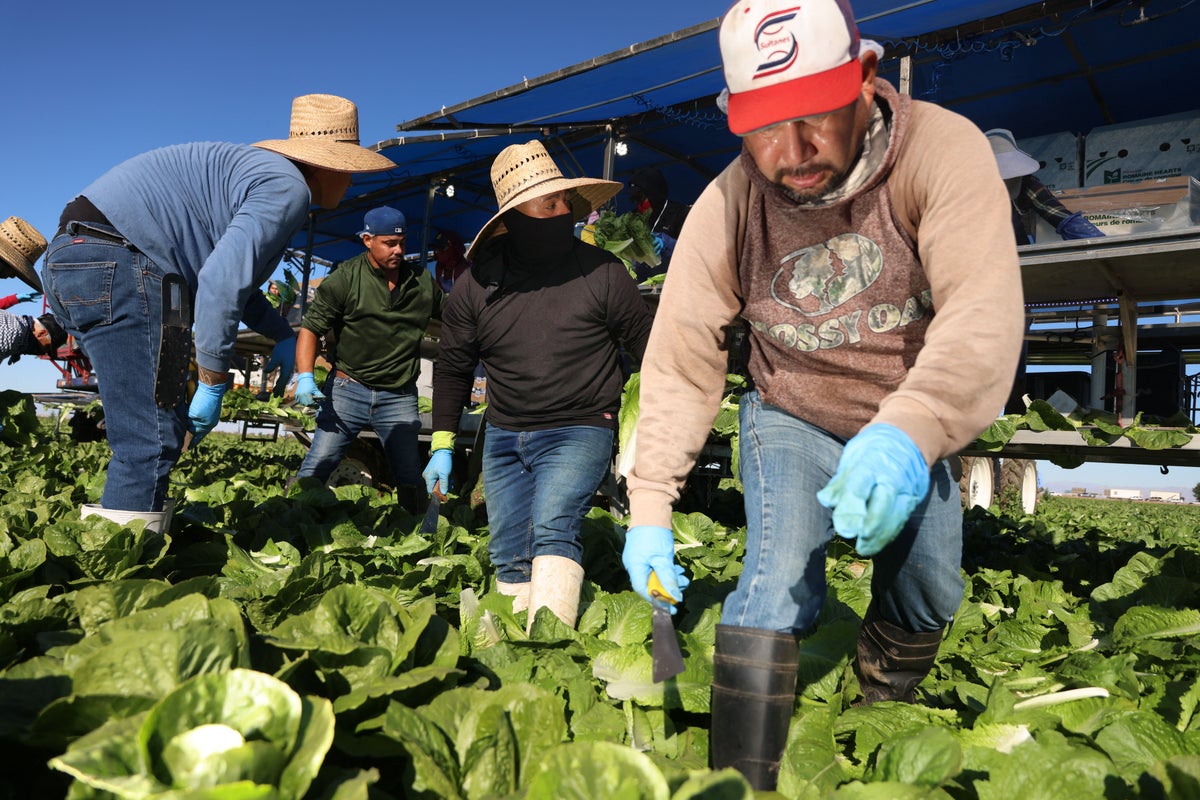
- Agricultural workers in remote growing zones frequently lack access to clean sanitation infrastructure, running water, and paid sick leave, forcing individuals to work while ill.
Domestic operations are not immune to these systemic issues. Surface water sources, such as open canals and rivers used for agricultural irrigation, remain highly vulnerable to agricultural runoff, heavy flooding events, and wildlife intrusion. While regulations mandate periodic testing of irrigation water, testing schedules are often spread out over weeks or months, leaving massive windows of vulnerability where contaminated water can be sprayed directly onto leafy greens right before harvest.
Structural Reforms Needed to Fix Fresh Produce Safety
Telling consumers to wash their lettuce thoroughly under cold tap water is an ineffective defense against microscopic parasites. Water alone cannot dislodge oocysts bound to plant tissues, and consumers cannot inspect their way out of a systemic agricultural failure. Real protection requires fundamental shifts in how fresh produce is grown, monitored, and tracked across supply lines.
Continuous Water Disinfection Technologies
Agricultural operations must move away from relying on untreated surface water for crops that are consumed raw. Advanced filtration systems, microfiltration, and ultraviolet disinfection rigs at irrigation intakes can neutralize parasite oocysts before they reach fields.
Digital Track and Trace Standards
Supply chains need granular, interoperable digital tracking systems. Implementing blockchain or standardized digital ledger tracking across all packaging levels would allow inspectors to trace a contaminated shipment back to the exact field plot within minutes rather than weeks, enabling targeted recalls before produce reaches nationwide retail networks.
Expanded Diagnostic Screening
Public health surveillance requires faster adoption of rapid multi-pathogen PCR panels at the clinical level. When physicians order routine stool cultures, standard diagnostic panels frequently miss protozoan parasites unless a specific parasite screen is ordered. Standardizing comprehensive diagnostic panels in emergency rooms and urgent care centers will dramatically shorten the detection lag.
Structural Labor and Sanitation Protections
Food safety starts with human dignity. Ensuring field workers have access to clean, fully stocked portable sanitation facilities, clean handwashing water, and guaranteed paid sick leave is one of the most effective interventions available to prevent field-level contamination.
The Reality of America's Produce Safety Crisis
The expansion of this parasite outbreak into four more states is not an isolated anomaly or a run of bad luck. It is the predictable outcome of an industrial food system built for speed, global reach, and low costs at the expense of resiliency and safety. Combining rapid, high-volume shipping networks with fragmented surveillance systems creates an ideal environment for resilient pathogens to spread silently across state borders.
Until regulatory enforcement matches the speed of modern logistics, and until agricultural supply chains prioritize water safety and complete supply chain transparency over razor-thin margins, consumers will remain the final, unwitting testing ground for systemic food safety flaws.