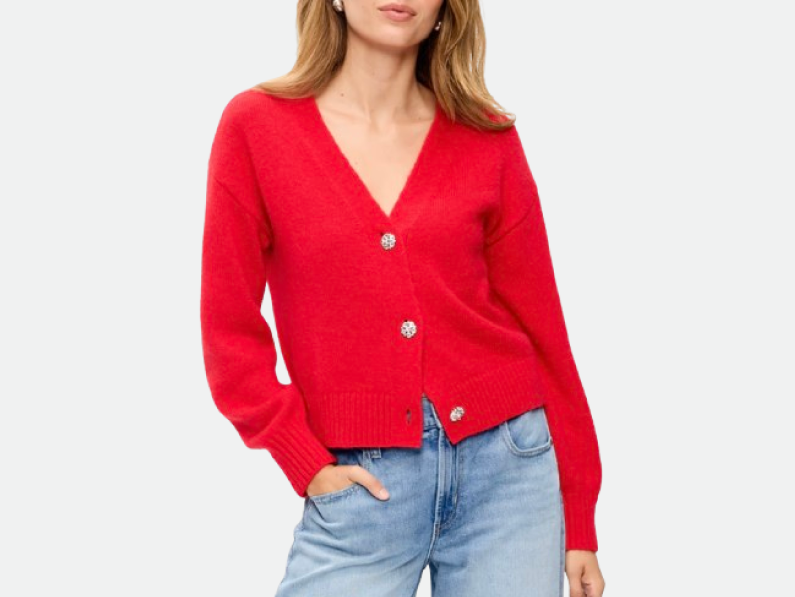
An Old Navy sale advertising 50% off on fall and winter staples is rarely a once-in-a-lifetime windfall; it is the retailer's primary operating system disguised as an emergency clearance. Shoppers who treat a half-off banner as a ticking clock miss how value-retail pricing actually works. When you separate true promotional windows from routine markdown theater, a handful of cold-weather basics do hold real utility—provided you know which fabrics hold up and which price tags exist only to make a discount look steep.
Typical service journalism roundups treat a 50% tag as proof of a bargain, listing coats, cardigans, and wide-leg denim as if they were pulled from a vault at full retail price. After watching mass-market apparel pricing for decades, the pattern is unmistakable. List prices set the stage for discounts. A jacket tagged at $70 or $100 rarely moves at full price outside of narrow release windows; the real baseline sits closer to 30% off during non-holiday stretches, with deeper 50% or 60% pushes clustering around major retail calendar moments like late autumn, Black Friday, and post-holiday resets.
How Promotional Pricing Shapes What You Pay
Walk into a store or open the app on an ordinary week and the urgency feels manufactured. One week a piece sits near a standard markdown; another week a sweeping 50% off banner drops across categories. Shoppers sometimes assume a price spiked right before a sale, though in practice the more common mechanism is simpler: elevated reference prices give the brand room to discount constantly while protecting unit economics.
That matters for anyone buying fall and winter staples. A 50% discount on a $40 or $50 basic brings the outlay into the $20 to $25 range—roughly where budget basics belong. Paying $45 or $50 for an everyday knit or casual trouser without a real promotion leaves money on the table.
Timing still separates smart buyers from impulse shoppers. Major retail events—especially late November's Black Friday stretch, Friends & Family events, and early January clearance—deliver real 50% or steeper discounts across broader assortments. Mid-month lulls often look dramatic on a banner while offering thinner savings or exclusions on specific lines.
Where Cold-Weather Staples Deliver Real Value
Not every discounted item earns closet space. Cold weather punishes flimsy seams, thin knits, and coatings that wear off after two damp commutes. When hunting an Old Navy sale for autumn and winter basics, focus on garments whose function matches their price tier.
- Outerwear and puffers: Lightweight puffer jackets, quilted vests, and longline coats shine as everyday throw-on layers when discounted to roughly half of their stated list price. They are not expedition gear for sub-zero blizzards, yet for mild-to-chilly mornings, errands, and layered commuting they offer practical warmth without a three-digit commitment.
- Everyday denim and twill: Wide-leg jeans, relaxed straight cuts, and cotton twill pants form the backbone of casual cold-weather dressing. Buying them around $20 to $30 during a true 50% off window makes sense when you treat them as seasonal workhorses rather than heirloom selvedge.
- Layering knits and flannels: Crew-neck pullovers, cardigans, and brushed flannel sleep or lounge sets earn their keep when worn under jackets or around the house. Soft brushed finishes feel cozy right away, even if heavy pilling over multiple seasons remains a known trade-off in affordable knitwear.
What to Scrutinize Before Checking Out
Discounts hide material compromises. A garment can look crisp on a hanger or under studio lighting while carrying thin fabric weight that shows every crease by noon.
Check fabric content and construction before getting swept up by a percentage sign. Woven cottons, sturdy twills, and structured outer shells generally outlast delicate novelty trims, exposed thread ends, or ultra-thin knits that lose shape after a wash cycle. Fit consistency across tall, petite, and regular cuts is another practical advantage—when a specific block works for your frame, buying at a genuine promotional low reduces trial-and-error cost.
The Hidden Trade-Offs of Discount Wardrobes
Cheap clothes carry a quiet cost that rarely shows up on a receipt. Buying three mediocre sweaters at $25 each because they were 50% off can cost more over two winters—in disappointment, replacements, and clutter—than buying two better-made pieces you actually reach for every week.
Fast-moving seasonal merchandise also creates false scarcity. A trendy cut or novelty holiday print may sell out quickly, tempting buyers to grab sizes or colors they do not truly need.
A hypothetical example helps clarify the math: suppose a shopper needs two warm mid-layers for a chilly fall and winter. Buying a $27.49 sweater on sale plus another impulse piece they rarely wear costs more—and creates more closet friction—than buying one reliable layering piece they wear twice a week all season.
Return friction, shipping thresholds, and loyalty perks also shape the real deal. Free shipping often hinges on order minimums or rewards status unless you ship to a store or hit a promotional window, turning a seemingly cheap single-item order into a worse value once fees are factored in.
Shopping Smarter When the 50% Banner Drops
Treat every Old Navy sale as a tool rather than an event. Start with a concrete list of gaps in your cold-weather rotation—one water-resistant outer layer, one versatile pant, one dependable mid-layer—rather than browsing aimlessly through endless markdown grids.
Compare the discounted price against what you would happily pay on a random Tuesday. If a coat or pair of trousers feels fairly priced at the sale number, buy it; if the only appeal is the crossed-out original price, walk away.
The smartest move during a 50% off push on fall and winter staples is simple: buy only the functional basics you already know you will wear, verify the fit and fabric weight, and ignore the rest of the noise.