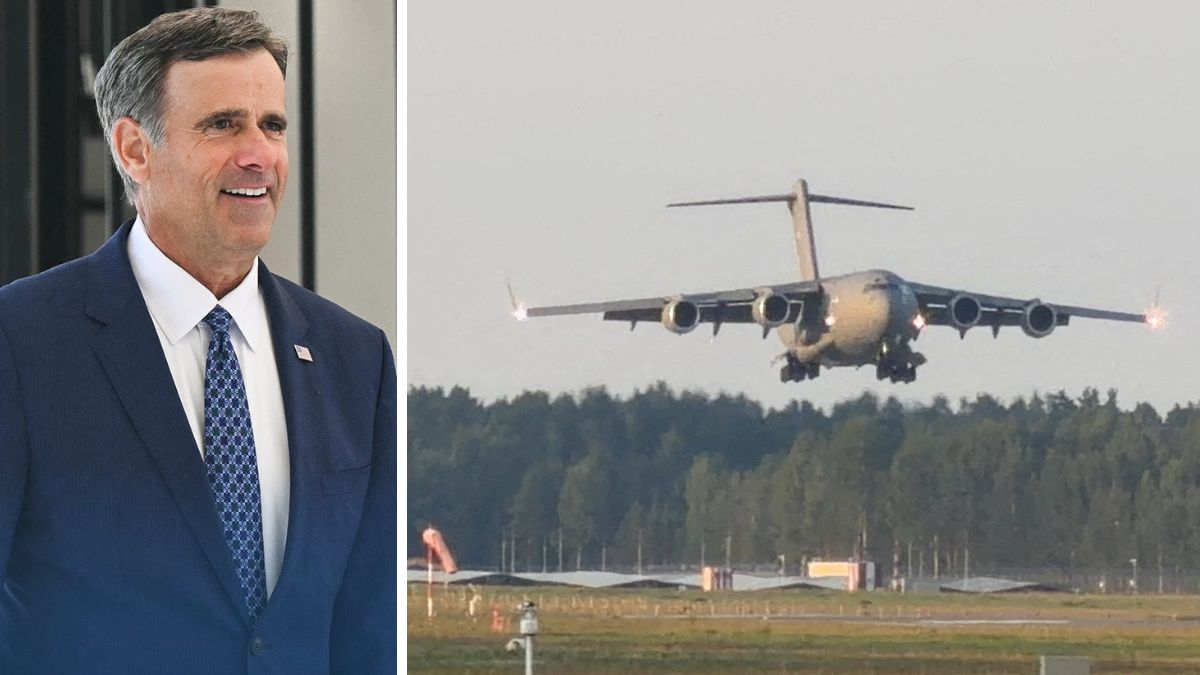
When the chief of American espionage flies into a foreign adversary's capital unannounced, the diplomatic pleasantries vanish. Central Intelligence Agency Director John Ratcliffe recently touched down in Moscow for high-stakes, closed-door talks with his Russian intelligence counterparts. This extraordinary visit marks the first direct, on-the-ground mission by a sitting CIA director to the Russian Federation since William Burns traveled there in late 2021 ahead of the invasion of Ukraine.
Behind the tightly controlled official statements lies a complex web of overlapping crises. Washington and Moscow are navigating stalled diplomatic efforts over Ukraine, severe friction regarding Tehran, and lingering disputes over detained Americans. Intelligence services exist for moments precisely when traditional diplomacy fails. When public grandstanding reaches a dead end, backchannels open.
Understanding why this meeting happened requires stripping away the theater of international relations and examining the hard mechanics of modern great power conflict. Intelligence directors do not board military transport aircraft for routine check-ins. They travel when deterrence is fraying, miscalculation is a looming threat, and specific red lines must be communicated without the distortion of public media.
The Tehran Factor and Military Friction
While the fate of Ukraine remains the central bleeding wound in East-West relations, the timing of the Moscow visit points heavily toward the Middle East. Just prior to the flight data tracking the CIA transport aircraft, the United States Treasury announced a severe campaign targeting financial networks sustaining Tehran.
Moscow and Tehran have deepened commercial and military ties significantly. Reports indicate that the Kremlin has shared tactical data and advanced drone insights derived from the grueling static warfare in Eastern Europe with Iranian partners. This transfer of capability directly undermines American security architecture and Israel's defense posture.
Ratcliffe's mission likely involved an uncompromising message regarding these transfers. Intelligence channels are uniquely suited for this type of blunt messaging. Unlike state department officials who must weigh public optics and alliance unity, spymasters can lay raw signals intelligence on a table. They can show precisely what is known, who authorized it, and what the immediate retaliatory costs will be.
By engaging Russian counterparts directly, Washington sought to test whether Moscow views its partnership with Tehran as an unbreakable alliance or a transactional arrangement that can be managed. The response dictates how rapidly economic and military pressures escalate in secondary theaters.
Managing the Escalation Threshold in Eastern Europe
The war in Ukraine has evolved into a grinding war of attrition where intelligence dominance dictates survival. With diplomatic initiatives sputtering, the risk of accidental escalation between NATO assets and Russian forces remains dangerously high.
A striking detail surrounding the Moscow meetings involved operational accommodations. Military planners temporarily factored the high-level visit into regional operations, reflecting the extreme sensitivity of the diplomatic window. Intelligence chiefs manage the parameters of shadow warfare. They establish unwritten rules of engagement to ensure that proxy friction does not cross the threshold into total kinetic conflict between nuclear states.
The history of these clandestine director-level meetings reveals a distinct pattern. In late 2021, Burns went to Moscow to deliver a stark warning against full-scale invasion. In 2023, communication channels hummed during internal Russian instability to manage perceptions.
This latest journey by Ratcliffe serves a dual purpose. It measures the current appetite for structured negotiations while signaling absolute limits on intelligence sharing that threatens Western assets. Hawks in Washington have long advocated for aggressive postures, making the presence of a known national security hardliner in the Kremlin a calculated psychological signal. It tells Moscow that the messenger represents a administration willing to match rhetoric with operational reality.
The Human Cost and Exchange Leverage
Beneath geopolitical strategy lies the grim currency of detained citizens. American individuals caught in the machinery of foreign penal systems frequently become leverage points in state-level negotiations.
Ratcliffe brings a track record of direct involvement in complex prisoner exchanges, having navigated delicate diplomatic hurdles to secure the release of detained Americans. Intelligence channels provide the only realistic forum for these transactions. Public negotiations invite domestic political posturing that often sinks deals before they begin.
When spy chiefs meet, humanitarian releases are routinely bundled with broader security demands. It is a crude ledger where freedom for a wrongfully imprisoned citizen is weighed against diplomatic concessions or the easing of specific monitoring tracks.
The return flight from Vnukovo Airport did not solve the structural antagonisms dividing Washington and Moscow. Structural hostility remains the baseline of the relationship. Yet, the willingness to step into the room proves that neither side wants total blindness. As long as intelligence chiefs are talking face-to-face, the invisible guardrails holding the international system together remain active.