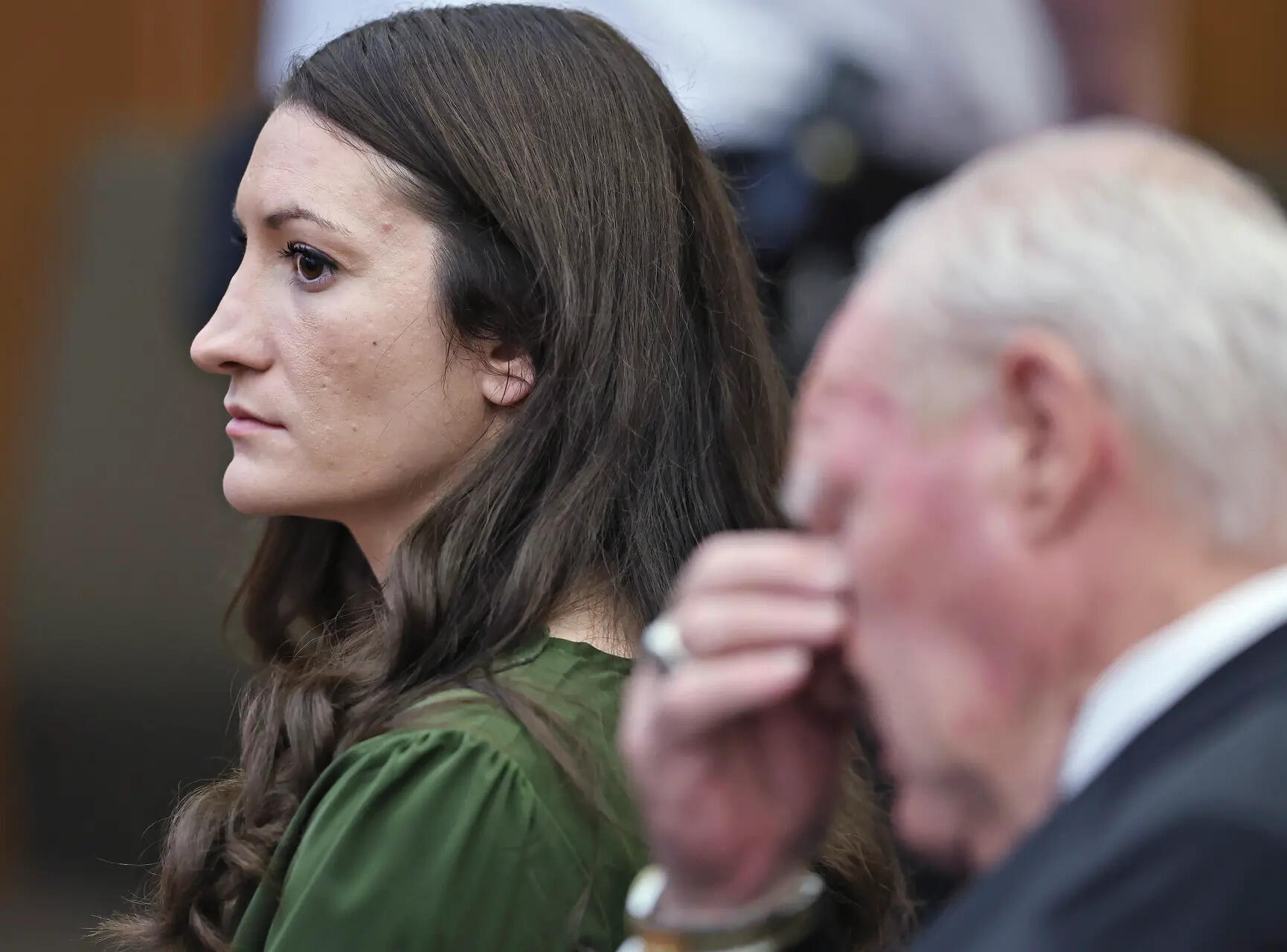
The jury in the Lindsay Clancy murder trial spent days sequestered in a Plymouth courtroom, cycling through hours of tense deliberations without reaching a verdict on whether the former labor and delivery nurse is criminally responsible for the deaths of her three young children. While public fixation centers on the minutiae of the jury's timeline and the color of a juror's cardigan, the broader medical and judicial systems are on trial. This courtroom battle has dragged the catastrophic failures of modern maternal psychiatric care into the blinding, unforgiving light of a criminal docket.
On January 24, 2023, Cora, Dawson, and Callan Clancy—aged five, three, and eight months—were strangled with exercise resistance bands in the basement of their Duxbury, Massachusetts home. Their mother attempted suicide immediately afterward, leaving her paralyzed from the waist down. The physical acts are undisputed. What remains bitterly contested is the state of a human mind pushed past the breaking point by severe postpartum psychosis.
The Chasm Between Clinical Reality and Criminal Law
For months, defense attorneys have argued that Clancy was a victim of an overmedicated, broken medical system that missed the neon-lit warning signs of a disintegrating psyche. Expert testimony painted a picture of a woman experiencing auditory hallucinations, believing she was acting under the control of an outside force.
The prosecution counters with a narrative of cold, sequential calculation. Prosecutors argued that Clancy deliberately targeted her older children first before turning to the infant, framing the tragedy as a conscious choice made by a mother who was tired of suffering.
This friction exposes a profound philosophical fracture in how the legal system evaluates severe mental illness. The criminal code demands clear lines: a defendant either understood their actions and possessed criminal intent, or they did not. Human biology, particularly the hormonal and neurological hurricane of the postpartum period, refuses to cooperate with such tidy legal binary categories. When a brain is besieged by acute neuro-psychiatric collapse, the boundary between volition and delusion dissolves entirely.
The Medical System on Trial
Long before the exercise bands were pulled tight in that Duxbury basement, a different kind of failure occurred in doctors' offices and psychiatric wards. Clancy had cycled through multiple medications and an inpatient psychiatric facility just weeks before the tragedy. Friends, family, and clinicians watched as a dedicated healthcare worker dissolved into profound anxiety, insomnia, and despair.
The uncomfortable truth exposed by this case is that postpartum psychiatric infrastructure remains dangerously under-resourced. The medical community frequently treats maternal mental health as a secondary concern, easily managed with standard anti-anxiety scripts and brief outpatient check-ins. When severe psychosis strikes, the medical apparatus often lacks the safety nets required to catch patients before they plummet off the precipice.
By forcing a jury of nine women and three men to decide whether a psychotic break constitutes a criminal act, society delegates a complex neurological failure to twelve ordinary citizens. They must weigh complex psychiatric evaluations against rigid statutory requirements, searching for rationality where none can logically exist.
The Weight of the Verdict
As the deliberations stretch forward, the potential outcomes carry immense weight. A conviction for first-degree murder consigns Clancy to life in prison without parole. A finding of not criminally responsible diverts her to a state psychiatric facility for indefinite secure treatment.
Neither option repairs the irreparable. Regardless of how the jury interprets the evidence behind closed doors, the trial lays bare a haunting reality. The tragedy of the Clancy family is not merely an isolated criminal act to be processed and filed away, but a searing indictment of how society fails mothers when they are most invisible, and most vulnerable.