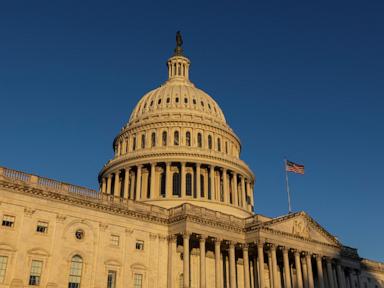
Congress is returning to Washington for a compressed lame-duck session defined by two competing forces: an imminent legislative pileup and a brewing impeachment push targeting Defense Secretary Pete Hegseth. With weeks remaining before the newly elected Congress takes office in January, lawmakers must fund the federal government, pass the annual defense authorization bill, and confirm last-minute judicial nominees—all while House factions debate whether to force a floor vote on articles of impeachment against the Pentagon chief.
The collision is predictable. Lame-duck sessions always compress months of unfinished legislative business into a handful of legislative days. Add a high-profile impeachment effort into that narrow window, and the floor schedule instantly turns into a zero-sum battle over time, leverage, and political survival.
The Structural Trap of a Lame-Duck Calendar
Capitol Hill runs on clock management, not idealism. Between Thanksgiving and the statutory end of the current Congress in early January, leadership only has a few weeks of actual floor session days to clear must-pass legislation. Every procedural motion, quorum call, and privileged resolution consumes hours that cannot be recovered.
A privileged impeachment resolution changes the math overnight. Under House rules, a member can introduce articles of impeachment as a question of the privileges of the House, forcing leadership to address the measure within two legislative days. Leadership does not have to pass it. They can move to table it or refer it to the Judiciary Committee, yet either maneuver triggers mandatory debate time, roll-call votes, and intense whip operations.
For a Speaker managing a razor-thin majority or an outgoing coalition, those hours are poison. Every minute spent whipping nervous moderates on a Hegseth impeachment vote is a minute lost negotiating top-line spending numbers with the Senate or whipping votes for the National Defense Authorization Act (NDAA).
Why Impeachment in November Rarely Survives January
History offers a clear verdict on late-session impeachments. Under constitutional practice and House precedent, uncompleted legislative business—including pending impeachment inquiries and unvoted articles—dies when a Congress adjourns sine die at the end of its two-year term.
Unlike a criminal indictment, an impeachment does not automatically carry over from one Congress to the next unless the incoming House actively reintroduces and passes it anew. Even if the House were to adopt articles of impeachment against Hegseth in December, the Senate would have almost no realistic calendar space to organize a trial, adopt rules, hear evidence, and hold a final vote before January 3.
In practical terms, a lame-duck impeachment push is rarely about removal from office. It is a forcing mechanism. Proponents use it to lock members onto a permanent roll-call record, extract concessions on unrelated bills, or establish an investigative baseline for the incoming majority.
The Pentagon Flashpoint and Its Legislative Fallout
Putting the Defense Secretary in the crosshairs during a lame-duck session creates an immediate institutional contradiction. Congress cannot easily conduct an impeachment campaign against the head of the Department of Defense while simultaneously relying on his building to finalize the annual defense policy and appropriations bills.
The NDAA and the defense appropriations bill require continuous technical feedback from Pentagon comptrollers, service secretaries, and policy shops. Conference committees negotiating final text depend on Defense Department officials to score amendments, clarify procurement authorities, and flag operational bottlenecks. When the Secretary is fighting off impeachment articles, senior Pentagon leadership inevitably shifts into crisis-management mode.
Staff bandwidth shrinks. Legislative affairs offices stop facilitating routine compromises and start preparing briefing books for oversight hearings.
The Moderates' Dilemma
Swing-district lawmakers hate lame-duck impeachment votes more than almost any other floor action. For members who just survived a tough November election, casting a vote on removing a Cabinet official offers zero upside and maximum vulnerability.
If they vote to advance impeachment, they risk alienating independent voters who view a December impeachment as partisan theater rather than serious oversight. If they vote to table or oppose the articles, they invite primary challenges or fierce backlash from their party's activist base. Outgoing members—those retiring or defeated in November—face a different calculation entirely. Freed from immediate electoral consequences, lame-duck lawmakers often act as wild cards, willing to break party discipline either to settle scores or to protect their post-Congress career prospects.
What Actually Gets Crowded Out
When political oxygen gets burned on a Cabinet impeachment fight, complex, unglamorous legislation dies quietly in committee rooms. Several critical priorities sit directly in the blast radius of a derailed lame-duck schedule:
- Full-Year Appropriations vs. Another Continuing Resolution: Congress routinely enters the lame-duck period operating under a stopgap Continuing Resolution (CR) that freezes spending at prior-year levels. Passing full-year appropriations requires painstaking bicameral negotiations over policy riders and top-line allocations. If floor time vanishes, leadership defaults to another short-term CR, punting real budget decisions into the next year and freezing new Pentagon procurement starts.
- Disaster Relief and Supplemental Funding: Emergency aid packages for domestic disasters or foreign allies depend on broad bipartisan coalitions. Those coalitions fracture quickly when the House floor is consumed by partisan impeachment motions.
- Expiring Authorities: Tax provisions, farm bill extensions, healthcare extenders, and surveillance authorities frequently expire on December 31. Without clean floor time for unanimous consent agreements or suspension bills, minor technical lapses can trigger bureaucratic chaos across federal agencies on January 1.
- Judicial and Executive Confirmations: Across the Capitol in the Senate, a House impeachment circus slows down floor agreements. Senators in the minority use every procedural tool available—requiring cloture votes and full post-cloture debate time—to drag out confirmation votes on federal judges and executive branch nominees.
The Mechanics of Floor Leverage
To understand why lawmakers threaten impeachment in November despite the grim math of the calendar, look at how leverage works on Capitol Hill. Leadership controls the floor schedule, which means rank-and-file members have very few ways to force an issue onto the agenda without leadership's blessing.
A discharge petition requires 218 signatures and takes weeks to mature. Adding a rider to a must-pass spending bill requires surviving the House Rules Committee, which is stacked with leadership loyalists.
A privileged resolution is the blunt instrument left in the toolbox. By threatening to notice a privileged impeachment resolution against Hegseth, a small bloc of lawmakers can hold the entire legislative calendar hostage. Leadership then faces a binary choice: negotiate privately with the rebels to address their underlying grievances—whether over Pentagon personnel policies, military readiness, or specific oversight demands—or let them blow up the floor schedule in public.
The Counter-Argument From Impeachment Backers
Supporters of pressing forward reject the idea that timing should dictate constitutional duty. From their perspective, waiting until the new Congress convenes simply allows controversies to cool off and gives the administration time to bury unfavorable records.
They argue that formal impeachment proceedings unlock stronger legal standing in court battles over subpoenas and executive privilege. Even a brief, intense floor debate forces media coverage and compels reluctant committee chairs to put witnesses under oath before the end of the term. To critics who warn about legislative gridlock, backers respond that passing a bloated omnibus spending bill or a rubber-stamped defense authorization is not an achievement worth protecting if fundamental accountability at the Pentagon goes unanswered.
How Leadership Typically Neutralizes the Threat
Seasoned congressional leaders have a well-worn playbook for surviving lame-duck ambushes without giving away the store.
First, they use the calendar against the insurgents. By scheduling votes on non-controversial suspension bills early in the week and compressing major votes into tight Thursday afternoon windows, leadership limits the days on which a privileged motion can disrupt peak media cycles.
Second, they offer an off-ramp that looks like action without triggering a floor crisis. Referral to the Judiciary Committee or a commitment to hold high-profile oversight hearings allows leadership to tell the public they are following regular order while effectively running out the clock until January.
Third, they tie the legislative schedule directly to member travel. Nothing focuses congressional minds faster than the threat of canceling the December recess and keeping members in Washington through Christmas week. When leadership signals that an impeachment fight will mean weekend sessions and missed flights home, support for procedural stunts tends to evaporate rapidly.
The Real Stakes Behind the Spectacle
Strip away the cable news chyrons and fundraising emails, and the standoff over Pete Hegseth's tenure during the lame-duck session comes down to a basic question of governance: whether Congress will prioritize institutional maintenance or political confrontation in its final weeks.
The Pentagon cannot sign new multi-year contracts under a continuing resolution. Federal agencies cannot plan budgets around last-minute stopgap extensions. Courts remain short-staffed when confirmation calendars stall. Yet for lawmakers operating in a permanently polarized environment, the immediate political reward of forcing a high-profile confrontation often outweighs the invisible cost of legislative paralysis.
As members unpack their bags in Washington, the outcome will not be decided by grand speeches on the House floor, but by quiet headcounts in the Speaker's lobby—where leadership will calculate whether it is cheaper to let the impeachment vote happen and fail, or pay the price to keep it off the floor altogether.