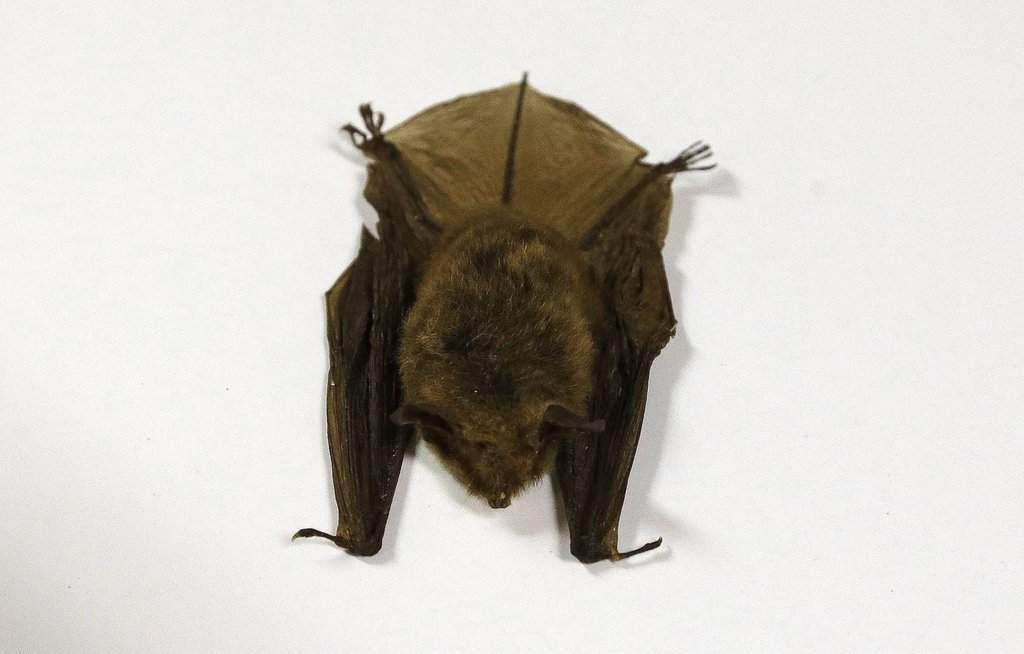
An eleven-year-old boy woke up inside a northern Ontario cottage with a bat resting on his face. The animal covered his nose and mouth. There were no screams, no violent struggles, and no blood. When his parents examined his face, they found absolutely nothing. No deep punctures. No scratches. Not even a visible smear of saliva. Believing the child was unharmed, they did not seek medical attention. Within weeks, the boy was dead.
The case, detailed in June 2026 by physicians in the Canadian Medical Association Journal, marks Ontario’s first locally acquired human rabies infection since 1967. It exposes a dangerous gap in public health awareness. Most people think a lethal animal encounter requires an obvious wound. It does not. The brutal reality of rabies transmission through bats is that the physical evidence is frequently invisible to the naked eye. This lack of knowledge is proving fatal.
By the time the child arrived at an emergency room nineteen days later, the window for survival had already slammed shut. He complained of vomiting, a strange "pins and needles" sensation, and numbness in his face. Emergency staff initially misdiagnosed the condition as a common viral infection. By day two, his brain was failing. The virus had reached his central nervous system, triggering a rapid, agonizing cascade of neurological destruction that medicine remains entirely powerless to halt.
The Illusion of the Unbroken Skin
To understand why this child died, one must understand the microscopic anatomy of a bat. The silver-haired, big brown, and little brown bats common across North America possess teeth and claws so sharp and minute they mimic surgical needles. A bite sustained during sleep rarely awakens the victim. The puncture left behind can be smaller than a pinprick, easily hidden by hair or the natural folds of the skin.
It is a fatal mistake to assume an animal must show aggression to transmit the disease. A rabid bat may simply appear disoriented, weak, or unusually docile, landing on a sleeping human out of a loss of motor control rather than an intent to attack. When that contact happens, the virus transfers via saliva. It does not require a deep, tearing laceration to infect human tissue. It merely needs a microscopic breach in the epidermal layer.
Public health messaging has historically focused on the classic image of the rabid dog. Foaming at the mouth. Aggressive snapping. Visible, bloody bites. This imagery has conditioned the public to look for the wrong signs. In North America, domestic canine vaccination programs have successfully eliminated dogs as a primary vector. Instead, bats have quietly become the leading cause of human rabies deaths on the continent. Yet, the average citizen still measures risk by the size of a wound.
Data from regional health units shows a troubling shift in the wildlife population. In the months leading up to the tragedy, the rabies positivity rate among tested bats in certain Ontario jurisdictions jumped from its historical average of under ten percent to an alarming sixteen percent. The virus is circulating with increased density in the wilderness areas where families vacation. As urban populations increasingly retreat to rural cottages for seasonal recreation, human-wildlife encounters are rising, but public literacy on viral threats remains stuck in the past century.
A Pathological Stealth Mission
Rabies is a masterpiece of evolutionary malice. Once the virus enters the body, it does not travel through the bloodstream. If it did, the human immune system would detect it, mount an antibody response, and neutralize the threat. Instead, the virus hides. It enters the peripheral nerves immediately surrounding the site of exposure.
From the peripheral nervous system, the virus begins a slow, deliberate journey called retrograde axonal transport. It travels along the nerve fibers toward the spinal cord and the brain at a rate of just a few millimeters per day. This explains the highly variable incubation period, which can last from weeks to several months depending on where the exposure occurred. A bite on the foot buys a patient time. A bat landing directly on a child's face, mere inches from the cranial nerves, represents an express route to the brain.
During this incubation phase, the patient feels perfectly healthy. There are no laboratory tests that can reliably detect the virus in a human before symptoms manifest. The immune system remains completely blind to the invasion because the virus is insulated inside the body's own neural wiring. This creates a false sense of security. Because weeks pass without illness, families assume the initial encounter was harmless.
Once the virus breaches the blood-brain barrier and enters the central nervous system, it replicates at an astronomical rate. It floods the salivary glands, preparing for its next transmission. At this point, the disease shifts from a preventable exposure to a literal death sentence. The global medical consensus remains absolute. Once clinical symptoms of rabies appear, the mortality rate is virtually one hundred percent.
The ER Dilemma and Clinical Mimicry
The Ontario case highlights another critical vulnerability in our healthcare system. Modern frontline physicians have never seen a case of human rabies. Because the disease is so vanishingly rare in developed nations, it is rarely at the top of a differential diagnosis list when a patient presents with vague, early-stage symptoms.
When the eleven-year-old boy first arrived at the hospital, his symptoms were non-specific. He had facial numbness and was vomiting. The emergency physician, unaware of the gravity of the bat encounter, initially sent the child home with a diagnosis of herpes gingivostomatitis, a routine viral infection that causes painful mouth sores. This was not necessarily a failure of competence; it was a statistical probability. In an emergency room, doctors hunt for common killers and routine illnesses, not a disease that has not been seen locally for nearly sixty years.
By the time the boy returned the following day, the clinical picture had transformed into a horror story. He exhibited the textbook signs of rabies encephalitis:
- Acute confusion and vivid hallucinations.
- Extreme difficulty swallowing, driven by violent spasms of the throat muscles.
- Excessive salivation, as the virus paralyzed his ability to clear his own mouth.
- Profound deficits in his cranial nerves, leading to rapid loss of motor function.
The medical team at McMaster Children’s Hospital moved the child into intensive care. They considered deploying experimental interventions, such as the famous Milwaukee protocol, which involves putting the patient into a drug-induced coma while administering antiviral medications. However, the boy’s neurological decline was too swift, and decades of subsequent data have shown that such experimental treatments are largely ineffective, offering false hope rather than a genuine cure. The care plan immediately shifted from curative to palliative. On the seventeenth day after admission, life-sustaining therapies were withdrawn.
The Broken Chain of Post-Exposure Prophylaxis
The true tragedy of this death is that it was entirely preventable. Medicine possesses an incredibly effective weapon against rabies, provided it is used before the virus reaches the nerves. Post-exposure prophylaxis, commonly known as PEP, is a multi-step treatment that boasts a near perfect success rate when administered promptly.
The treatment protocol is straightforward but requires immediate execution. It begins with the administration of human rabies immune globulin. This is a concentrated dose of antibodies injected directly into and around the site of the suspected bite. These antibodies act as an immediate shield, neutralizing the viral particles before they can slip into the peripheral nervous system. Following this, the patient receives a series of four rabies vaccines over a two-week period, which forces the body to produce its own long-term immune response.
[Day 0: Human Rabies Immune Globulin + Vaccine Shot 1] ──► [Day 3: Vaccine Shot 2] ──► [Day 7: Vaccine Shot 3] ──► [Day 14: Vaccine Shot 4]
Public health guidelines state that this process should ideally begin within forty-eight hours of exposure. In the case of the Ontario child, the parents did not contact public health because they saw no blood. This highlights a systemic failure in how risk is communicated to the public. People are taught to clean wounds, but they are not taught that animal contact itself is the trigger for medical intervention.
Relying on a visual inspection of a child’s skin after a bat encounter is a gamble with a child’s life. If a bat is found in a room with a sleeping person, a young child, or anyone unable to give a reliable account of what happened, public health mandates that PEP must be administered. The presence of the animal in the space is the exposure. Waiting for symptoms to appear is a terminal mistake.
Rethinking Wilderness Safety and Urban Myths
This tragedy demands a fundamental rewrite of how we educate communities about wildlife interaction. The rise of cottage rentals, wilderness tourism, and outdoor education has brought more urbanites into contact with undisturbed ecosystems. These vacationers often bring urban assumptions into the woods, believing that wild animals will always flee human presence unless provoked.
We need to dismantle the myth of the visual wound. Public health campaigns must pivot away from the outdated imagery of aggressive, foaming animals and focus instead on the passive risks of nocturnal wildlife encounters. School curriculums, camp orientations, and cottage rental agreements should explicitly state that any direct physical contact with a bat requires an immediate trip to an emergency room.
The parents of the Ontario boy allowed his medical details to be published for one reason. They wanted to ensure no other family made the same calculation they did. The lesson here is brutal, clear, and unyielding. When dealing with wildlife, what you cannot see can kill you. If a bat touches skin, or if a bat is discovered in a room where a child has slept, stop looking for bite marks, bypass the local clinic, and head straight to the nearest hospital for post-exposure vaccines immediately.