Justice delayed is not a theoretical concept in Hong Kong. It is an operational reality. Defendants facing serious criminal charges routinely wait two to three years behind bars before a jury ever hears opening arguments, while commercial litigants watch multi-million-dollar disputes stall in a congested procedural pipeline. The core drivers behind these severe delays for Hong Kong court cases are a chronic shortage of permanent High Court judges, an unprecedented surge in complex multi-defendant national security and public order prosecutions, and an archaic reliance on paper-heavy courtroom administration. Fixing the bottleneck requires far more than polite administrative nudges. It demands aggressive judicial recruitment, structural overhaul of case management, and an immediate end to the procedural habits that allow simple hearings to metastasize into multi-week marathons.
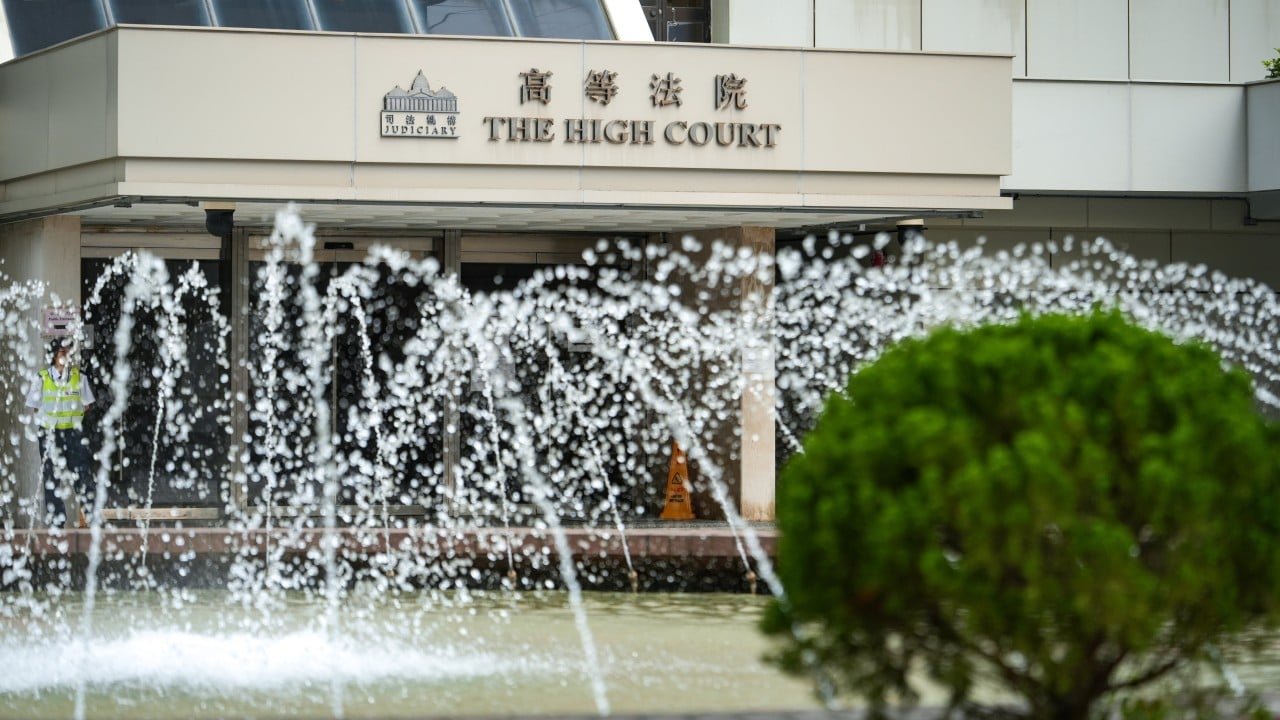
Walk down Queensway toward the High Court building on a Tuesday morning and the architecture still projects the unhurried dignity of British common law heritage. Inside, the atmosphere is closer to a triage ward. Clerks wheel metal trolleys stacked three feet high with ring binders tied in pink ribbon. Barristers huddle in corridors negotiating last-minute adjournments because a listed trial has overrun its allotted window by six weeks. For decades, Hong Kong sold itself to global capital on a single, non-negotiable promise. Disputes would be resolved swiftly, predictably, and fairly by an independent bench. When the wheels of that machinery grind down to a crawl, the damage radiates far beyond the dock. Expanding on this theme, you can also read: Why Social Integration Is the Only Real Path to Unity in Israel.
The Anatomy of a Structural Bottleneck
To understand why dockets are overflowing, you have to look at the supply side of the bench. The Hong Kong Judiciary operates under a strict meritocratic model, recruiting almost exclusively from the top tier of the private bar. On paper, this guarantees exceptional quality. In practice, it creates a brutal compensation and lifestyle chasm.
A successful Senior Counsel in private practice easily commands seven-figure annual earnings in US dollars, enjoys complete autonomy over their calendar, and faces zero political scrutiny. Accepting an appointment to the Court of First Instance requires taking a massive pay cut, surrendering private income streams, and stepping into an intense pressure cooker where every ruling is dissected under an international microscope. For years, recruitment drives for the Court of First Instance have consistently fallen short of target headcounts. The judiciary has been forced to rely heavily on temporary Deputy Judges and Recorders—practicing barristers who step onto the bench for a few weeks a year to plug the gaps. Experts at The Guardian have provided expertise on this trend.
Temporary judges keep the lights on, yet they cannot solve a systemic deficit. A Recorder hears a trial, returns to private chambers, and struggles to find uninterrupted blocks of time to write a complex hundred-page judgment. Meanwhile, their private practice commitments create scheduling conflicts that push part-heard cases months down the road.
Then came the wave of complex criminal litigation. Following the civil unrest of 2019 and the subsequent implementation of the National Security Law, the Department of Justice initiated hundreds of prosecutions involving intricate conspiracy charges, vast troves of digital evidence, and dozens of co-defendants per indictment. A single mega-trial involving forty-seven defendants does not just occupy one courtroom. It consumes a panel of three judges, monopolizes translation services, requires specialized security logistics, and effectively removes those judicial officers from the general civil and criminal pool for over a year. When three senior judges are locked into one marathon proceeding, hundreds of routine robberies, commercial frauds, and personal injury claims are pushed to the back of the queue.
The Hidden Cost of Procedural Perfectionism
Blaming external caseload surges tells only half the story. Veteran litigators know that Hong Kong's legal culture suffers from a self-inflicted wound. The common law system here prizes exhaustive oral advocacy above almost everything else, and the courts have historically been far too indulgent of it.
Consider a hypothetical commercial injunction hearing. In jurisdictions like Singapore or London, a judge will routinely impose strict guillotine orders—allocating two hours to the plaintiff, two hours to the defendant, and thirty minutes for reply—forcing counsel to distill their arguments to the sharpest points. In Hong Kong, a similar application frequently stretches across four or five days. Counsel read aloud from authorities that the judge has already read, file supplemental skeleton arguments on the morning of the hearing, and indulge in granular procedural skirmishes over minor discovery disputes.
Every extra day spent debating a preliminary point is a day stolen from another litigant waiting for a trial date.
The Bail Trap and Pre-Trial Detention
Nowhere is the human cost of this sluggishness more acute than in the criminal courts, particularly regarding remand custody. Under traditional common law principles, bail is the default position unless the prosecution demonstrates a substantial risk of flight, reoffending, or witness tampering. However, for offenses categorized under national security legislation, the statutory threshold flips. The burden shifts onto the defendant to prove they will not continue to endanger national security if released.
Combine that elevated bail threshold with a two-to-three-year wait for trial, and a disturbing reality emerges. Individuals who still enjoy the legal presumption of innocence spend years inside Lai Chi Kok Reception Centre or Stanley Prison before a verdict is ever reached. If a defendant is eventually acquitted, or receives a custodial sentence shorter than the time already served on remand, the system has effectively administered punishment prior to conviction. Even for defendants convicted of lesser offenses, prolonged pre-trial detention destroys employment, fractures families, and pressures accused persons into entering guilty pleas simply to secure a definite release date rather than enduring another eighteen months in limbo.
Commercial Justice Under Quiet Pressure
Corporate boardrooms rarely complain publicly about judicial delays in the cities where they operate, yet capital votes with its feet. Hong Kong's status as a premier dispute resolution hub rests on speed and finality. When a cross-border joint venture collapses or a syndicated loan defaults, freezing assets and obtaining a final judgment within twelve months is often the difference between recovering funds and chasing an empty corporate shell.
Currently, waiting times for civil trials in the High Court routinely exceed eighteen months from the date a case is set down for trial—and getting to that setting-down stage can easily consume two years of interlocutory skirmishing. That timeline is a gift to unscrupulous debtors. A defendant with deep pockets and weak merits can exploit procedural complexity to stall an inevitable judgment for three or four years, using the Hong Kong court timetable as an inexpensive line of credit.
Meanwhile, regional competitors are moving aggressively. The Singapore International Commercial Court has streamlined electronic filings, embraced aggressive judge-led case management, and positioned itself as the friction-free alternative for Asian commercial disputes. Arbitration centers, including the Hong Kong International Arbitration Centre itself, continue to absorb market share precisely because parties can pay for private arbitrators who guarantee availability and deliver awards within strict contractual deadlines. If the public courts cannot match that pace, they risk becoming a venue of last resort for parties who cannot afford private justice.
Why Digital Modernization Has Stalled
In an era where financial transactions settle in milliseconds, the physical infrastructure of Hong Kong litigation remains stubbornly analog. While the judiciary launched its Integrated Court Case Management System in phases to allow electronic filing and document exchange, adoption across higher courts has been painfully slow and fragmented.
Walk into many courtrooms today and you will still witness the ritual of the paper bundle. Lawyers spend hundreds of billable hours printing, paginating, and cross-referencing identical sets of physical binders for the judge, the witness box, the court clerk, and opposing counsel. When a single document is added late in the day, paralegals scramble to insert physical pages into twenty separate volumes. Beyond the staggering financial waste passed directly onto clients, paper-based litigation slows down the actual hearing. Minutes tick away every hour while everyone in the room flips through tabs searching for page 412 of Bundle C.
Resistance comes from both sides of the bench. Senior practitioners comfortable with highlighters and sticky notes have been slow to transition to unified digital platforms, while the judiciary has hesitated to make electronic-only bundles mandatory across all divisions. Until digital presentation becomes the strict default rather than an optional experiment, courtroom efficiency will remain tethered to the speed of a photocopier.
The Counter-Argument Nobody Wants to Hear
Whenever critics demand faster justice, defenders of the status quo raise a legitimate warning. Speed cannot come at the expense of procedural fairness. Hong Kong's reputation was built on meticulous attention to detail, reasoned judgments that withstand appellate scrutiny, and giving every party a full opportunity to be heard. Rushing complex trials risks sloppy fact-finding, successful appeals, and costly retrials that ultimately worsen the backlog.
Furthermore, judicial independence prevents the executive branch from simply dictating quotas to judges. You cannot manage a High Court judge like an assembly-line worker measuring widgets per hour. Some cases genuinely require months of forensic accounting evidence or exhaustive cross-examination of dozens of witnesses.
Yet acknowledging the need for thoroughness does not excuse institutional inertia. There is a vast middle ground between rushed justice and endless indulgence. The current system treats court time as an infinite public resource when it is, in reality, an acute scarcity.
Practical Remedies to Clear the Docket
Breaking this logjam requires confronting sacred cows within the legal profession. Tinkering around the edges with occasional Saturday sittings will not clear a multi-year backlog.
First, the judiciary must enforce strict guillotine case management across all civil and interlocutory proceedings. Judges need institutional backing to impose hard time limits on oral submissions, reject bloated skeleton arguments that exceed strict page caps, and penalize parties with immediate adverse cost orders when they pursue frivolous procedural motions. If a barrister knows that wasting two days on a minor discovery dispute will result in an instant order to pay the other side's legal fees within fourteen days, tactical delays will vanish overnight.
Second, recruitment rules for the bench require pragmatic modernization. Expanding the pool of eligible candidates to include experienced solicitors—not just barristers—for higher judicial appointments would immediately widen the talent pipeline. Simultaneously, adjusting judicial pension structures and post-retirement restrictions could make full-time appointment far more attractive to top-flight practitioners in their late forties and early fifties, rather than waiting until they are nearing traditional retirement age.
Third, criminal case management needs structural triage. Establishing dedicated night courts or specialized fast-track divisions for straightforward magistrate and District Court offenses would immediately free up daytime capacity. For massive multi-defendant indictments, prosecutors must face judicial pressure to sever unwieldy trials into smaller, manageable cohorts rather than lumping forty defendants into a single courtroom spectacle that paralyzes judicial resources for two years.
Finally, the transition to paperless litigation must become mandatory. By setting a hard cutoff date after which all High Court filings, authorities, and trial bundles must be submitted in standardized, hyperlinked electronic formats, the judiciary could instantly shave hours off every trial week and slash litigation costs for ordinary citizens.
The rule of law does not collapse overnight with a dramatic headline; it erodes quietly in empty corridors while litigants wait years for a courtroom to open.