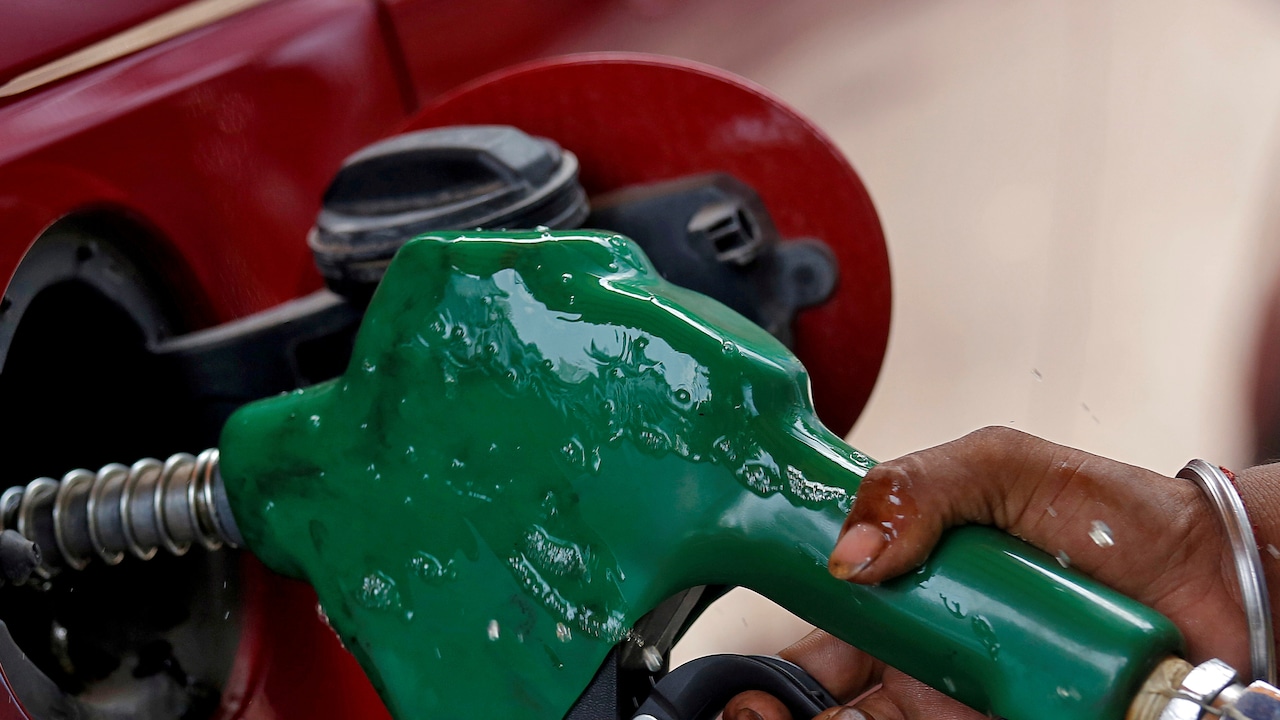
The math of energy vulnerability is brutal. When international crude markets shudder, economies with structural external deficits feel the tremors long before the tankers dock in Karachi. Talk of petrol hitting PKR 1,000 per litre in Pakistan is no longer just fringe panic or sensationalist arithmetic; it is the logical endpoint of a compounding fiscal trap made of currency depreciation, structural petroleum levies, and relentless global supply chain shocks.
To understand why fuel prices occupy such a volatile space in the national consciousness, one must look past the superficial weekly price notifications. Energy in Pakistan is not merely a commodity. It is the primary tax collection instrument of last resort, an external debt multiplier, and the single largest determinant of whether domestic manufacturing survives or suffocates.
The Mechanics of Imported Inflation
Pakistan imports the vast majority of its petroleum requirements. Every single barrel shipped through the Strait of Hormuz or procured from spot markets must be paid for in hard currency. When global oil prices spike due to geopolitical flashpoints or production cuts, the domestic import bill balloons overnight.
Yet, the international price of Brent crude is only half the equation. The more critical vector is the exchange rate. Imagine a hypothetical scenario where global crude sits at moderate levels, but the local currency loses twenty percent of its value against the greenback within a compressed window. The landed cost of refined petroleum products surges instantly, regardless of what is happening in international oil fields. The state, strapped for foreign exchange reserves, cannot afford to subsidize the difference without triggering immediate macroeconomic collapse or breaching strict lender agreements.
This reality places enormous pressure on the pricing structure. When structural adjustments hit, consumers bear the entire brunt at the fuel pump.
The Petroleum Levy Trap and Fiscal Addiction
Governments in Islamabad face a chronic revenue shortfall. Tax collection targets are routinely missed, the informal economy remains largely undocumented, and widening fiscal deficits demand immediate plugging. Enter the petroleum levy.
Unlike the general sales tax, which shares revenue streams with provincial governments, the petroleum levy goes directly into the federal kitty. It has become the easiest, most frictionless way for a cash-strapped administration to generate revenue under the watchful eye of international financial institutions like the International Monetary Fund (IMF).
Whenever fiscal targets slip, officials hike the petroleum levy to satisfy structural benchmarks. This creates a vicious cycle. Higher levies push up transport costs, which cascades into food inflation, manufacturing overheads, and logistics expenses. The state collects short-term revenue at the expense of long-term economic velocity. If global oil prices undergo a severe structural super-cycle—pushing crude past historical highs alongside further currency erosion—the compounding effect of maximum allowable petroleum levies mathematically forces domestic pump prices toward the PKR 1,000 threshold.
The underlying architecture guarantees that every external shock is immediately localized and amplified.
The Industrial Slowdown and the Transport Paralysis
A thousand-rupee petrol price is not just a motorist's nightmare. It is an industrial strangulation device.
Consider the secondary and tertiary effects across the supply chain. Public transport relies heavily on high-speed diesel, while urban commuting and ride-sharing networks run on petrol. When fuel costs double, the cost of moving goods from agricultural heartlands in Punjab to consumption centers like Lahore and Karachi climbs vertically. Small and medium enterprises, already battered by exorbitant electricity tariffs and high borrowing costs, find themselves entirely unable to absorb higher freight charges.
Margins evaporate. Factories scale back shifts. Logistics companies default on fleet financing.
The state finds itself trapped in a paradox of diminishing returns. As prices rise, aggregate demand drops. Consumers cut back on non-essential travel, commercial transport operators stage strikes, and fuel consumption volume contracts. Lower consumption means lower total collection from levies, prompting authorities to push individual unit prices even higher to meet fixed revenue collection targets. It is a classic fiscal death spiral.
Breaking the Structural Dependence
Avoiding the four-digit fuel milestone requires more than temporary fortnightly price tweaks or minor relief packages. It demands a fundamental overhaul of how energy is consumed, taxed, and managed.
For decades, successive administrations have treated energy imports as an inexhaustible revenue cow rather than a strategic vulnerability. Diversifying the primary energy mix away from imported furnace oil and petroleum products has been discussed in policy circles for years, yet execution remains sluggish. While localized solar adoption has accelerated among citizens seeking relief from grid electricity costs, the heavy transport sector and industrial manufacturing remain tethered to liquid fossil fuels.
Without a aggressive pivot toward electric mass transit, indigenous gas exploration, and a complete restructuring of indirect energy taxation, Pakistan remains entirely at the mercy of external market makers. The trajectory is clear. Unless structural reforms sever the link between global shocks and domestic fiscal survival, the psychological barrier of PKR 1,000 per litre will transition from a warning into reality.
This video provides additional context regarding how external financial pressures and international lender demands directly influence fuel pricing policies and petroleum levy adjustments in Pakistan.

