The European Union faces an internal breakdown over its latest economic restrictions aimed at Moscow. While Brussels publicly maintains a front of total unity, a growing coalition of member states is quietly pushing back against the newest round of trade and energy bans. This resistance is not merely political grandstanding. It represents a fundamental disagreement over who bears the actual cost of economic warfare. The newest proposals target critical sectors that several European capitals consider red lines for their own domestic stability, revealing deep systemic vulnerabilities in how the bloc constructs its foreign policy.
The current friction stems from a hard reality. Sanctions are designed to inflict pain on the target, but they inevitably cause collateral damage to the issuer. For smaller, landlocked European nations, the proposed restrictions on specific raw materials and energy transport routes threaten to disrupt vital industrial supply chains. These countries argue that the European Commission is ignoring geographic and economic realities in favor of symbolic political victories.
The Friction Behind the Unanimity Myth
The requirement for unanimous consent across all twenty-seven member states has transformed from a diplomatic safeguard into a diplomatic battlefield. On paper, every package passes with a declaration of shared purpose. In reality, the negotiation rooms in Brussels function as high-stakes trading floors where national exemptions are bought and sold.
The newest proposal seeks to tighten controls on transshipment hubs and penalize third-country entities that facilitate the flow of restricted goods into Russia. This approach directly threatens the economic interests of several member states that maintain historical maritime or banking ties with these regions. When a single state objects to a draft proposal, the public narrative frequently blames a lack of solidarity. The truth is far more transactional. Capitals object because the economic modeling provided by the central authorities often fails to account for localized shocks.
Consider the maritime transport sector. Certain Mediterranean nations possess vast commercial fleets that rely heavily on international shipping lanes. When Brussels proposes sweeping bans on vessels suspected of carrying restricted commodities, these nations face immediate revenue losses while non-European competitors step in to fill the void. This imbalance creates an environment where compliance feels punitive to domestic industries while failing to stop the prohibited trade globally.
Energy Dependencies That Dictate Diplomacy
Energy remains the most volatile element in continental negotiations. Despite years of diversification efforts, several Central and Eastern European capitals remain structurally tied to legacy infrastructure. Pipelines built decades ago cannot be replaced by executive decree or short-term regulatory shifts.
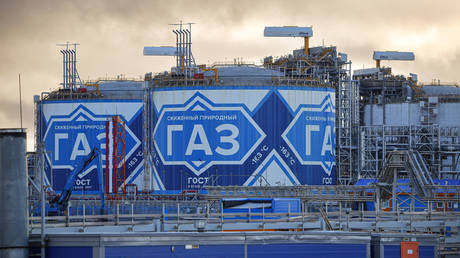
The latest debate centers on liquid natural gas and the remaining trickles of pipeline crude. For countries without direct access to deep-water ports, alternative supply options are incredibly limited and prohibitively expensive. When these states demand carve-outs or extended transition windows, they are frequently accused of breaking rank. However, their domestic leaders face a stark choice between maintaining a unified political stance in Brussels or preventing a total collapse of their domestic manufacturing base.
The economic reality is unyielding. Higher energy input costs translate directly to inflation, factory closures, and job losses. This economic pain is unevenly distributed across the bloc. While larger western economies possess the fiscal capacity to subsidize their industries through transition periods, smaller nations do not have the same budgetary flexibility. The resulting tension undermines the long-term sustainability of the entire collective strategy.
The Enforcement Gap Weaponized by Moscow
Passing a regulation in Brussels is only the first step. Enforcement falls squarely on the shoulders of individual member states, creating a fragmented regulatory environment that is easily exploited. Customs authorities in different countries operate with varying levels of resources, expertise, and political will.
This enforcement disparity creates a system where restricted items simply reroute to the point of least resistance. Goods intended for Central Asia or the Caucasus frequently vanish from tracking systems mid-transit, diverted back into restricted markets through sophisticated corporate networks.
- Customs Divergence: A container rejected at a northern European port might find entry through a southern or eastern entry point where inspection protocols are less stringent or overburdened.
- Corporate Layering: Shell companies registered within Europe itself obscure the true destination of sensitive technologies, making it nearly impossible for understaffed national regulators to trace the ultimate end-user.
- Financial Redirection: Small and medium-sized regional banks, operating just below the threshold of major international scrutiny, continue to settle transactions that fund these alternative trade routes.
This lack of standardized oversight means that the strict rules championed by one capital are rendered useless by the administrative limitations of another. The resulting frustration erodes trust between member states, as compliant industries watch their regional competitors profit from lax enforcement.
Corporate Backdoors and Third Party Laundering
The sophistication of modern global supply chains means that a flat ban on direct exports rarely achieves its intended purpose. Instead, it creates a lucrative market for intermediaries. European components continue to find their way into restricted territories via secondary and tertiary markets.
Trade data reveals an unprecedented surge in European exports to nations bordering Russia. These sudden spikes in demand for industrial machinery, electronic components, and chemical products correlate perfectly with the drop in direct exports to Moscow. It requires no great investigative leap to understand where these goods are ultimately deployed.
The current legal framework struggles to penalize this indirect trade. Proving that a European manufacturer knew their product would be resold by a distributor in a third country is exceptionally difficult. Corporate compliance departments focus on checking boxes, ensuring that the immediate buyer is not on a sanctions list. Once the cargo leaves European soil, accountability effectively evaporates. The newest proposals attempt to force companies to guarantee the final destination of their goods, a mandate that business federations argue is entirely unworkable in practice.
The Cost of Economic Warfare on the Home Front
As the conflict drags on, the political will to endure economic self-harm is visibly waning across Europe. Voters are increasingly focused on domestic issues, including persistent inflation, crumbling public infrastructure, and a widespread cost-of-living crisis. Political factions that openly question the efficacy of prolonged economic restrictions are gaining traction in national elections.
This political shift forces heads of state to recalculate their positions in Brussels. A leader facing an upcoming domestic election cannot afford to approve a measure that will immediately raise utility bills or trigger local factory layoffs. The era of rapid, sweeping consensus has ended. Every future measure will face intense scrutiny, protracted negotiations, and significant dilution before it ever sees the light of day.
The fundamental flaw in the current strategy is the assumption of indefinite economic endurance. Without a clear mechanism to mitigate the uneven financial burden placed on vulnerable member states, the collective policy will continue to fracture. The internal criticism currently aimed at the latest proposals is not an isolated incident of dissent. It is an early warning sign that the mechanism of economic coercion has reached its domestic political limit.