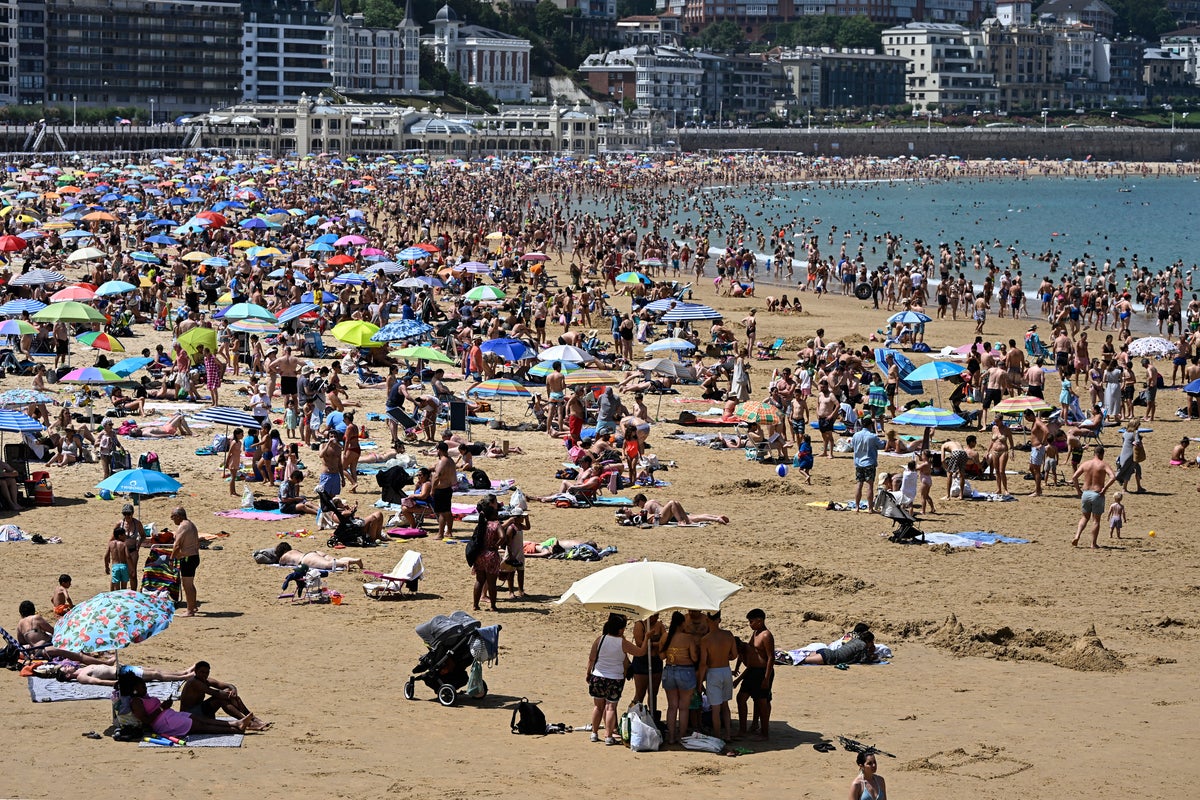
European beaches are facing an invisible surge of Vibrio vulnificus, a potentially fatal marine bacterium colloquially labeled as flesh-eating bacteria. Spurring unexpected closures from Spain to the Baltic Sea, the pathogen thrives in warming, low-salinity coastal waters induced by intense summer heatwaves. It enters the human body through microscopic skin cuts or raw seafood consumption, causing rapid tissue decay, septic shock, and a mortality rate hitting fifty percent among vulnerable populations.
While millions of vacationers pack their bags for traditional Mediterranean and Nordic getaways, public health agencies are quietly tracking an environmental shift that transforms standard swimming sites into hotbeds for severe wound infections. The problem is no longer an isolated ecological quirk. It has evolved into a structural public health emergency.
The Invisible Warmth Overrunning European Coasts
For decades, Northern European nations viewed tropical waterborne pathogens as a distant concern. That comfort has evaporated. The Baltic Sea, a shallow body of brackish water with naturally low salt levels, has become an ideal incubator for Vibrio species. When summer temperatures spike, the water heats rapidly, creating a shallow, warm layer where bacteria multiply at astonishing rates.
A short sentence illustrates the reality. The sea is changing. During the severe European heatwaves, water temperatures in enclosed bays regularly exceed the fifteen-degree Celsius threshold required to wake the bacteria from their winter dormancy. Once the water crosses this barrier, the microbial population swells exponentially, transforming crowded holiday destinations into high-risk zones.
Data from the European Centre for Disease Prevention and Control highlights a disturbing trend. During the extended heatwaves of 2018, European nations bordering the Baltic reported 445 cases of vibriosis, more than triple the annual median recorded in the preceding years. This was not a temporary fluctuation. It was a warning sign of a permanent baseline shift, with subsequent years showing a steady expansion of the bacterium into coastal zones previously deemed too cold to sustain it.
The geographic footprint is expanding rapidly. Outbreaks are no longer confined to northern estuaries. Spanish beaches in the Alicante region have implemented temporary closures following sudden bacterial spikes, and analysts from the Union for the Mediterranean warn that the Mediterranean Sea is warming faster than the global ocean average, acting as a preview of what lies ahead for the rest of the continent. The mixture of heavy tourism, urban runoff, and stagnant, overheated coastal water creates an environment where pathogens can outcompete native marine life.
The Molecular Engine of a Killer
To understand why Vibrio vulnificus causes such panic among clinical experts, one must look at how it behaves at a cellular level. The term flesh-eating is technically a misnomer, yet the reality is equally grim. The bacterium does not actively consume human skin from the outside; instead, it releases toxins that destroy tissue from within, causing a condition known as necrotizing fasciitis.
Recent genetic research has uncovered a terrifying mechanism. Warm, low-salinity conditions do not just help the bacteria multiply; they actively trigger the expression of specific virulence genes. When the sea warms up, the bacteria become fundamentally more dangerous. The genes responsible for motility, capsule formation, and toxin production become highly active, turning a dormant marine microbe into an aggressive pathogen capable of evading the human immune system.
Once the bacteria find an entry point, time becomes the most critical asset. A minor scratch from a barnacle, a fresh piercing, or an insect bite is sufficient to let the pathogen slip past the skin barrier. Inside the subcutaneous tissue, it multiplies without restraint, secreting enzymes that dissolve cellular structures and cut off blood supply to the surrounding flesh.
The infection moves with terrifying speed. It can advance at a rate of several centimeters per hour, leaving behind blackened, necrotic tissue that must be surgically removed to save the patient's life. If the bacteria breach the bloodstream, they trigger primary septicemia, causing a catastrophic drop in blood pressure and organ failure. For a patient with an underlying liver condition or a compromised immune system, the window between initial exposure and death can be less than twenty-four hours.
Why Beach Closures Are A Superficial Fix
When local municipalities detect elevated bacterial counts, their immediate response is to hang red flags and close the beaches. This provides a false sense of security. Closing a beach protects swimmers from direct water contact, but it completely ignores the secondary pathway through which Vibrio strikes: the commercial seafood supply chain.
Filter-feeding organisms like oysters, mussels, and clams act as natural sponges for marine bacteria. As coastal water temperatures rise, these shellfish accumulate massive concentrations of Vibrio vulnificus within their tissues. A person sitting in a restaurant miles away from the closed beach can ingest the pathogen by consuming a single raw oyster.
The statistics show a troubling discrepancy. While wound infections are more common among beachgoers, foodborne Vibrio infections carry a far higher mortality rate. Studies compiled by health agencies reveal that roughly thirteen percent of wound-based cases end in death, compared to over thirty percent of cases originating from contaminated seafood consumption.
Aquaculture farms across Europe are struggling to cope with this shifting biological reality. Traditional storage and transport methods are designed to handle classic foodborne pathogens like Salmonella or E. coli, which typically stem from external contamination. They are poorly equipped to deal with an organism that lives naturally inside the shellfish before it is even harvested. Furthermore, European researchers have identified growing trends of antimicrobial resistance within wild Vibrio strains, meaning the standard antibiotics used in intensive care units are losing their efficacy against these fast-moving infections.
The Human Toll of an Altered Sea
The clinical reality of a severe Vibrio infection goes far beyond typical medical emergencies. Survivors rarely escape intact. Because the bacterium destroys tissue so comprehensively, surgeons are frequently left with no choice but to perform radical amputations to prevent the infection from reaching the torso.
Consider the typical demographic of a European coastal town in mid-summer. Retirees flock to the seaside for its perceived health benefits, often engaging in year-round or early-morning sea bathing. These older adults are precisely the individuals whose aging immune systems or underlying metabolic diseases make them prime targets for the pathogen.
A single afternoon wade in knee-deep water can alter a life forever. A small heel crack caused by dry summer skin provides all the access the bacteria require. Within twelve hours, the foot becomes swollen, red, and excruciatingly painful. Within twenty-four hours, large, purple, fluid-filled blisters erupt across the leg. By the time the patient arrives at an emergency room, the systemic inflammatory response is already underway, forcing doctors into a race against the clock to debride dead tissue before the kidneys shut down.
The psychological impact on coastal communities is profound. Towns that rely entirely on the brief summer tourism window face an impossible dilemma. Admitting that their waters harbor a potentially lethal, flesh-destroying microorganism threatens the local economy, leading to a dangerous tendency among local officials to downplay the risk or attribute beach closures to generic, less alarming forms of pollution.
The Surveillance Blind Spot Costing Lives
The true scale of Europe’s Vibrio problem remains obscured by an outdated and fragmented public health tracking apparatus. Vibriosis is not universally reportable across all European nations. While countries bordering the Baltic Sea have improved their monitoring efforts in recent years, many Mediterranean nations lack a centralized, mandatory system for recording these specific infections.
Misdiagnosis is rampant in emergency rooms unfamiliar with the pathogen. Because Vibrio vulnificus infections are still relatively rare compared to common staphylococcal or streptococcal skin infections, general practitioners often prescribe standard first-line antibiotics that are completely ineffective against gram-negative marine bacilli. This delay in administering the correct target therapy allows the infection to cross the threshold into irreversible septic shock.
The European Centre for Disease Prevention and Control operates an online tracking tool known as the Vibrio Map Viewer, which models environmental suitability based on sea surface temperatures and salinity levels. This tool can predict where the bacteria are likely to bloom, but it cannot track actual human cases in real time if local hospitals do not run the necessary blood or wound cultures.
Without uniform, continent-wide mandates forcing medical facilities to report every confirmed case of vibriosis, public health agencies are flying blind, relying on lagging indicators while the geographical range of the killer expands every summer. The solution requires an immediate overhaul of how coastal water safety is communicated to the public, moving away from reactive beach closures and toward proactive, temperature-based warning systems that explicitly alert high-risk individuals to stay out of the water when the mercury rises.