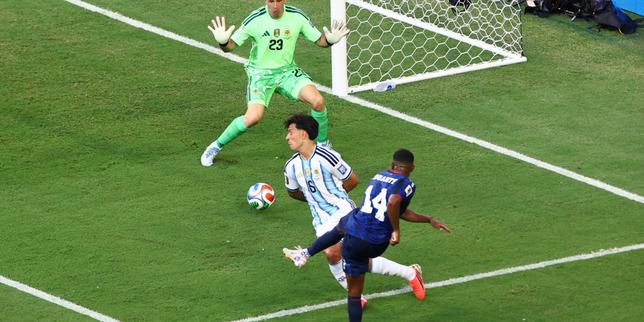
FIFA and international broadcasters quietly shifted the highly anticipated Mexico vs England kickoff time to avoid a catastrophic meteorological collision at the Estadio Azteca. While surface-level sports tabloids pointed frantically to "horror weather maps" and predicted localized chaos, the actual executive panic ran far deeper than a few lightning strikes. It was a multi-million-dollar collision between unyielding tropical weather systems, modern television broadcast vulnerabilities, and the physiological breaking points of elite athletes playing at 7,200 feet above sea level.
The schedule adjustment was not an act of sudden panic. It was a calculated risk management decision. By pulling the kickoff forward into an earlier afternoon slot, organizers bypassed the predictable, severe microclimates that batter Mexico City during the late summer months. Moving a marquee international fixture involves moving mountains of corporate bureaucracy. Recently making headlines in this space: The Invisible Altitude of Sudden Chaos.
The Microclimate Reality of Mexico City
To understand why the kickoff time faced such aggressive adjustments, you have to look at the geography of the Valley of Mexico. The Estadio Azteca sits in a high-altitude basin surrounded by volcanic peaks. During the summer afternoon peak, intense solar heating creates massive updrafts. When these updrafts mix with moisture rolling in from the Gulf of Mexico and the Pacific Ocean, the result is predictable, violent atmospheric instability.
Meteorologists tracking the system noted that the late afternoon window carried a near-certainty of severe convective thunderstorms. We are talking about cloud-to-ground lightning strikes, torrential downpours capable of overwhelming the stadium's drainage systems, and flash flooding in the surrounding Santa Ursula neighborhood. For an ordinary league match, a delay is an inconvenience. For a globally broadcast friendly between Mexico and England, a delay is an economic disaster. Additional details on this are covered by FOX Sports.
Broadcasters cannot simply wait out a two-hour lightning delay when prime-time programming schedules are locked in across multiple continents. If the match pushed late into the Mexico City evening, the UK broadcast window would bleed deep into the early morning hours, decimating viewership figures and ruining advertising revenue projections. The decision to bring the kickoff forward was driven by the television networks just as much as the safety officials.
High Altitude and Heavy Rain
Playing at the Estadio Azteca is already one of the most grueling physical challenges in world football. At 2,200 meters above sea level, the air is thin. Players struggle for oxygen, recovery times between sprints skyrocket, and the ball travels faster but curves less.
When you add a severe tropical thunderstorm to that mix, the physical toll multiplies.
- Oxygen Deprivation: The thin air already reduces oxygen uptake by roughly 10% to 15% for unacclimatized players, such as the travelling England squad.
- Extreme Humidity: High humidity during a storm prevents sweat from evaporating, shattering the body’s ability to cool itself down despite the rain.
- Pitch Saturation: The Azteca pitch is legendary, but no grass surface can handle three inches of sudden rainfall without turning into a heavy, muscle-draining swamp.
When the pitch becomes heavy and waterlogged, the risk of acute soft-tissue injuries skyrockets. Players are forced to expend double the energy to move the ball, accelerating the onset of fatigue. A fatigued player at high altitude is a player waiting to tear a hamstring or twist a knee. By moving the game forward, organizers caught a window where the temperature was higher, but the pitch remained dry and the atmospheric electrical activity was at a minimum.
The Global Broadcast Logistics Nightmare
International football matches are no longer just sporting events. They are massive, moving media operations. The modern broadcast compound outside the Estadio Azteca resembles a small tech city, packed with satellite trucks, mobile production units, and miles of fiber-optic cabling.
Lightning is the ultimate enemy of this infrastructure. A single strike on or near the stadium structure can induce power surges that fry delicate digital routing switchers. While modern broadcast compounds utilize heavy-duty surge protection and backup generators, the risk of a total signal dropout during a live international transmission is a risk no executive wants to take.
Furthermore, the safety of the camera crews operating on high, exposed scaffolding around the upper tiers of the Azteca is paramount. Stadium safety protocols mandate that if lightning strikes within a specific radius, all exposed personnel must evacuate to covered areas. You cannot broadcast a world-class football match if your main camera operators are forced to abandon their posts for safety.
The Operational Strain on Mexico City Infrastructure
Moving a major sporting event forward by several hours creates a massive logistical headache for local authorities. The area surrounding the Estadio Azteca is notorious for gridlock under normal circumstances. When you factor in tens of thousands of fans changing their travel plans simultaneously, the traffic management plan threatens to collapse.
Local police and transit authorities had to rapidly re-route public buses, adjust the schedule of the light rail system servicing the stadium, and deploy hundreds of additional traffic officers hours ahead of schedule. The objective was to get the stadium populated and cleared out before the heavens opened.
Had the match stayed at its original time, fans leaving the stadium would have walked directly into the worst of the flash flooding. The streets surrounding the Azteca regularly turn into rivers during peak storm season, trapping spectators and creating a logistical nightmare for emergency services already stretched thin by storm-related incidents across the capital.
A Precarious Balance
The decision to bring the kickoff forward showcases the delicate balance governing modern sports. Organizers must weigh athlete safety, local infrastructure limits, and atmospheric science against the rigid demands of global television contracts.
The shift disrupted the travel plans of fans and forced both coaching staffs to alter their pre-match preparation timelines entirely. Yet, faced with the certainty of a disrupted, dangerous evening under the shadow of the valley’s severe thunderstorms, the afternoon slot became the only viable escape route. The Estadio Azteca remains one of the most imposing fortresses in football, but as this scheduling crisis proved, even the cathedral of Mexican sport must bow to the realities of the local climate.