Mud swallowed the entrance of the Upper Trishuli-1 hydropower project faster than anyone could run. When a massive glacial collapse high in the Himalayas triggered catastrophic flash floods along the Tibet-Nepal border, it didn't just wash away roads and bridges. It sealed human beings alive inside concrete tubes.
Right now, the Nepal Army is fighting a brutal, clock-racing battle to pull more than 100 survivors out of a pitch-black, sludge-filled tunnel in the Rasuwa district.
You won't fully grasp the scale of this disaster by just looking at standard casualty counts. The initial wall of freezing water, heavy boulders, and dark brown muck slammed down the river valleys with terrifying velocity. Survivors like customs officer Karbir Gaire credit their lives to split-second decisions.
"We all immediately started running out, and within a few seconds, we were climbing uphill," Gaire recalled. Ten seconds of raw instinct saved him. Fifteen of his colleagues weren't as lucky. They're gone, swallowed by a disaster that earth science experts attribute to a bedrock and glacier collapse registering a magnitude 5.2 seismic shock.
Why the Hydropower Tunnel Rescue is a Nightmare
Locating people trapped inside a subterranean construction conduit sounds straightforward until you visit the ground zero zone. It's not.
Thick layers of heavy mountain silt completely obscure where the tunnels even begin. Army Brig. Gen. Raja Ram Basnet didn't mince words when speaking to reporters about the operation. Finding the entry and exit points is an absolute nightmare because the landscape has been utterly rearranged by millions of tons of debris.
Heavy machinery can't clear the paths fast enough because secondary threats loom large. A massive barrier lake formed high up in the mountains, and officials have repeatedly ordered rescue teams to halt operations as water levels threaten to breach or overflow.
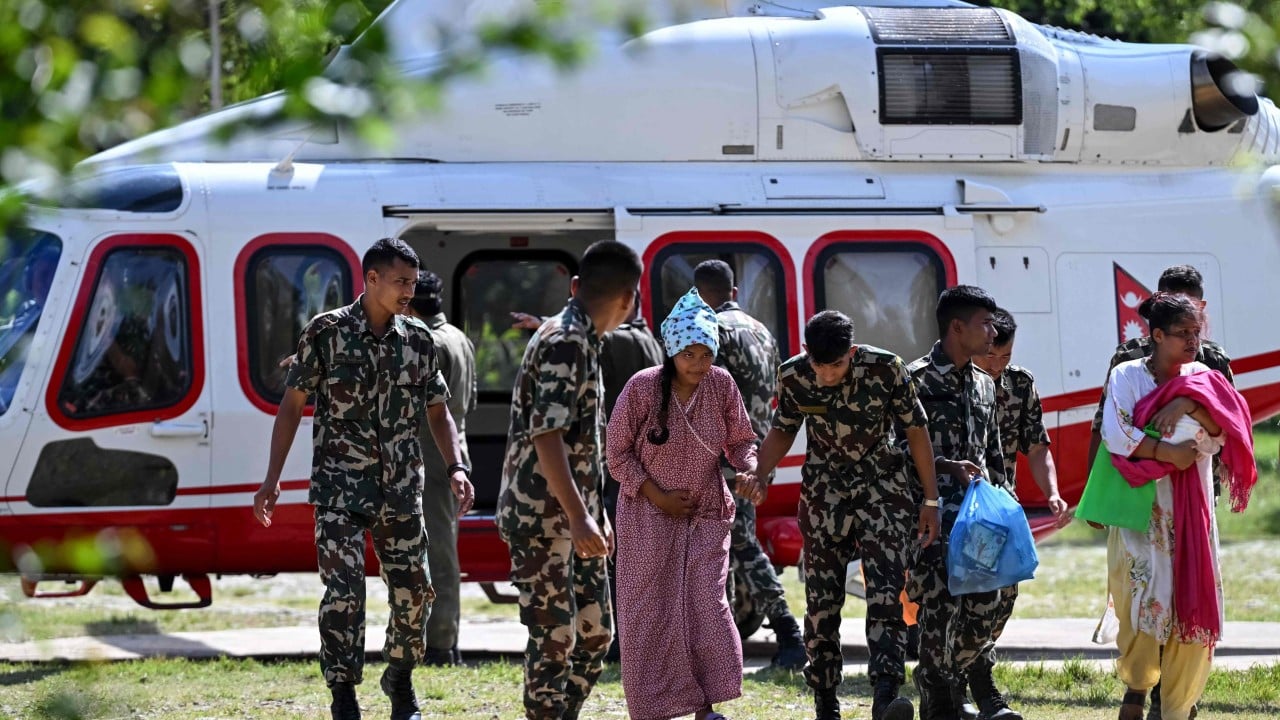
Despite these punishing constraints, military personnel have managed to extract roughly 350 workers and locals from the complex. Helicopters have airlifted over 3,000 stranded individuals out of the worst-hit zones to safety in Kathmandu.
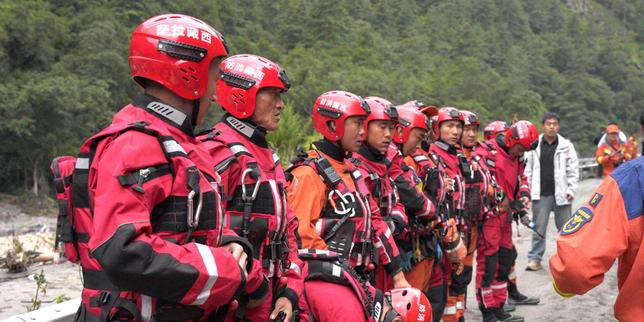
For the hundred-plus people still trapped inside the Trishuli tunnels, every minute counts. Rescuers are rappelling from hovering military aircraft, sliding down mud-caked slopes, and using specialized technical gear to cut through blockages. Footage from the scene shows mud-caked survivors being physically half-pulled, half-pushed out of dark openings by determined troops.
The Broader Humanitarian Crisis
This isn't an isolated local emergency. The catastrophe spans multiple districts and crosses international borders, turning a localized flash flood into a massive regional tragedy. Hundreds of foreign nationals, including trekkers, workers, and pilgrims heading toward sacred Himalayan sites, remain unaccounted for.
Official data puts the confirmed death toll past 450, while nearly a thousand people are still missing. Governments across the region are scrambling to mobilize humanitarian response teams. Local police and disaster management authorities remain on continuous high alert as fresh warnings of upstream dam bursts or overflowing glacial lakes threaten emergency workers.
If you are tracking relief efforts or trying to contact loved ones in the region, rely exclusively on updates from the Nepal Ministry of Home Affairs or official diplomatic channels. The situation on the ground remains volatile, shifting by the hour as rescue columns push deeper into the mud.