A federal judge has temporarily blocked the Trump administration from stripping hundreds of millions of dollars in federal funding from the Los Angeles Homeless Services Authority. The decision halts an aggressive federal maneuver to cut off the beleaguered regional agency over deep-seated accusations of financial waste and mismanagement.
U.S. District Judge David Carter issued a preliminary injunction ordering the U.S. Department of Housing and Urban Development to release approximately $241 million in competitive homelessness grants and previously awarded funds. The order ensures that services supporting more than 11,000 unhoused individuals across Southern California can keep the lights on for now. Yet the underlying conflict exposes a system caught between federal hostility and local administrative paralysis.
The Anatomy of a Federal Blockade
The confrontation escalated rapidly when HUD Secretary Scott Turner announced the complete suspension of the Los Angeles Homeless Services Authority from federal grant activity. Federal inspectors general pointed to a pattern of false statements, lax internal controls, and chronic failures to track expenditures properly.
The administration framed the cutoff as a moral and financial imperative. Taxpayers, officials argued, should no longer bankroll a sprawling administrative apparatus that consumes massive budgets while street encampments multiply. The official line from Washington was simple. Fund results, not administrative failure.
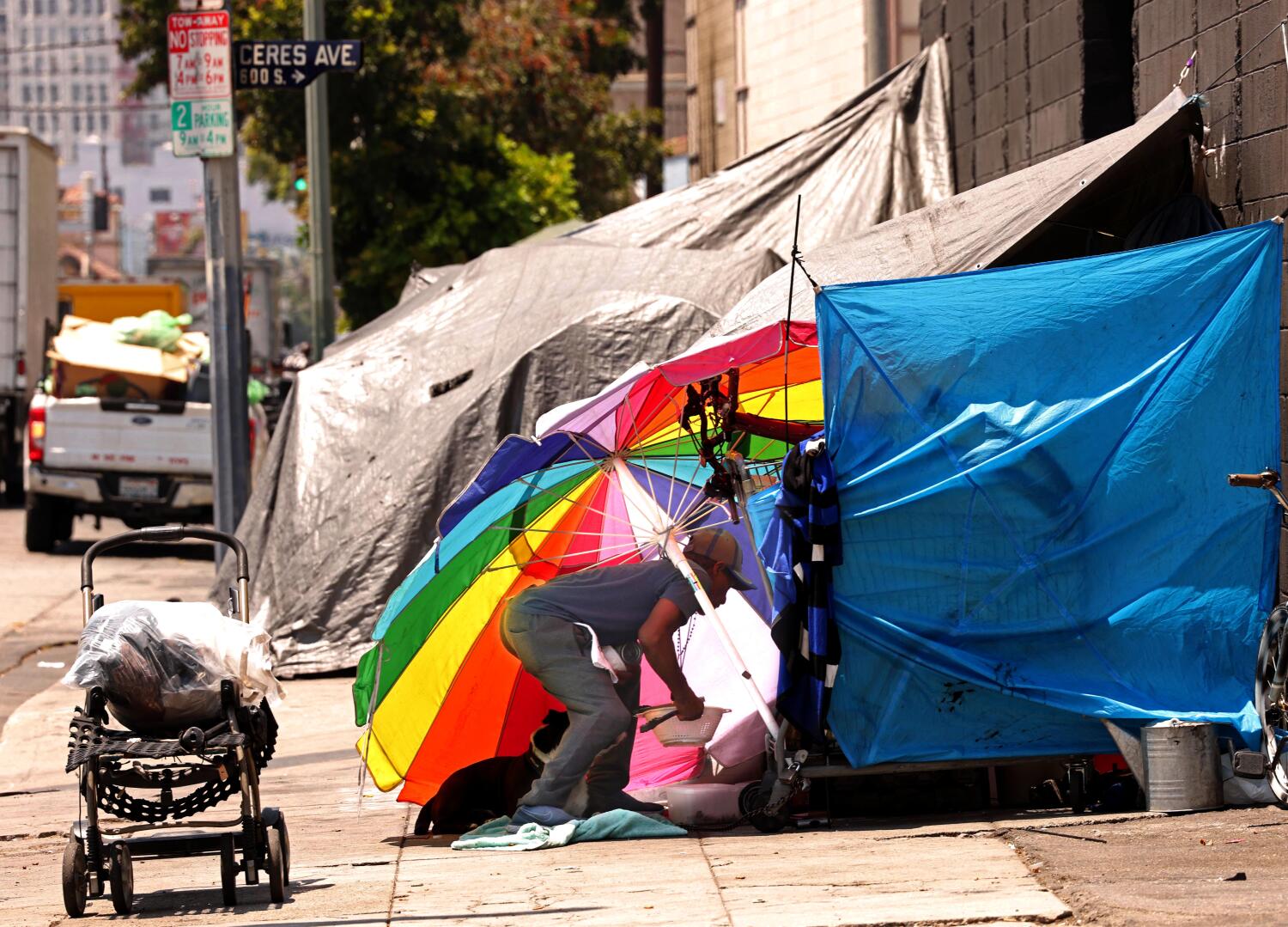
However, the execution of that policy resembled a tactical ambush. By abruptly pulling the plug on a major regional continuum of care, the federal government threatened to strand thousands of vulnerable people overnight. Veterans, seniors, families with children, and survivors of domestic violence faced immediate displacement.
Judge Carter acknowledged the validity of the administration's frustration while condemning the method. Los Angeles homelessness programs are undeniably dysfunctional. Bureaucratic infighting between city hall and county supervisors has defined the local response for decades. Still, tearing down the scaffolding of a massive social safety net without an orderly transition plan invites humanitarian catastrophe.
Decades of Finger-Pointing
To understand why Washington targeted this specific agency, one must look past the immediate legal briefs and examine the local power structure. The Los Angeles Homeless Services Authority operates as a joint powers authority created by both the city and the county. This dual-parent arrangement has historically functioned as a structural shield against accountability.
When data discrepancies emerge or audits reveal missing money, city officials point the finger at the county. The county fires back by blaming municipal red tape and a lack of cooperation.
Judge Carter did not spare the federal government from complicity in this dysfunction. Decades of federal oversight failed to catch these financial discrepancies early, turning HUD into an unwitting partner in a cycle of institutional failure.
Local leaders are already positioning themselves for a post-agency future. Los Angeles County officials have weighed pulling hundreds of millions in local contributions to form an independent municipal entity. The city council has entertained similar divorce proceedings. Everyone agrees the current model is broken. No consensus exists on what should replace it.
The Human Toll of Administrative Warfare
Behind the high-stakes legal posturing lie concrete operational realities. The frozen federal dollars fund specific housing vouchers, rapid rehousing initiatives, and localized street outreach teams. Without this capital, local providers cannot cover basic operating expenses or pay landlords participating in subsidy programs.
When federal oversight agencies move to punish bureaucratic incompetence, the administrative penalties rarely touch the executives drawing six-figure salaries. The blow lands squarely on case workers, shelter operators, and individuals sleeping on asphalt.
The preliminary injunction provides temporary breathing room. All parties must return to court for a status conference, with a full trial slated to address the permanent fate of the funding.
The fundamental tension remains unresolved. Washington wants a hard pivot toward law enforcement, institutionalization, and mandatory treatment, while local agencies defend their housing-first frameworks despite poor metric tracking. Los Angeles is caught in the crossfire of a national ideological war over poverty, and the courts are left trying to manage the fallout one injunction at a time.