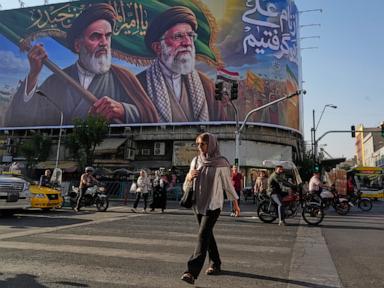
Pakistani Interior Minister Mohsin Naqvi arrived in Tehran on Saturday, carrying an urgent, unpublicized message from Field Marshal Asim Munir to Iran’s reclusive Supreme Leader Ayatollah Mojtaba Khamenei. Nominally focused on border security, the high-stakes diplomatic deployment is actually a regional backchannel mission to revive collapsing U.S.–Iran negotiations. The diplomatic gamble took place just hours after U.S. Central Command intercepted and destroyed Iranian attack drones over the Strait of Hormuz, demonstrating the extreme fragility of a shaky maritime ceasefire.
The geopolitical stakes are historically high. The conflict between Washington and Tehran has effectively choked off global energy corridors. The ongoing multi-theater crisis has caused staggering economic disruptions worldwide, raising the cost of shipping and complicating global energy stability. Expanding on this theme, you can also read: The Crumbling Gates of Europe and the Illusion of Control.
Islamabad has taken on the delicate task of balancing its relationships. Working alongside a quiet coalition of regional actors including Qatar, Turkey, and Egypt, Pakistan is attempting to establish a stable diplomatic bridge. The objective is clear but incredibly complex. The mediators want to persuade Washington to soften its crippling economic chokehold while convincing Tehran to permanently curb its destabilizing regional proxy campaigns and drone manufacturing infrastructure.
The Secret Message and the Reclusive Leader
Naqvi’s presence in the Iranian capital signals a dramatic escalation in urgency. This is his third unannounced visit to Tehran in recent weeks, reflecting a frantic level of shuttle diplomacy that regional capitals have kept under tight wraps. Analysts at Al Jazeera have shared their thoughts on this matter.
The primary target of this mission is not the conventional Iranian diplomatic corps. The message is intended for Ayatollah Mojtaba Khamenei, who assumed ultimate authority following his father’s death during the opening bombardment phase of the war on February 28. Mojtaba Khamenei has notably avoided public appearances since ascending to power. By bypassing conventional channels, the Pakistani military leadership is trying to establish a direct, unvarnished communication line to the real source of executive authority in Iran.
Simultaneously, unexpected military movements are developing on parallel tracks. General Rodolphe Haikal, the commander of Lebanon's army, traveled to Pakistan on Saturday following a direct invitation from Islamabad's defense establishment. The sudden alignment suggests that the backchannel talks are directly connecting the maritime crisis in the Persian Gulf to the volatile situation in southern Lebanon.
Kinetic Realities Clash With Backchannel Talks
The diplomacy is moving forward under immediate military threat. Early Saturday, U.S. forces launched pre-dawn strikes against critical Iranian coastal radar installations located in Goruk and Qeshm Island. According to U.S. Central Command, these operations were defensive actions carried out immediately after American forces intercepted Iranian one-way attack drones that were tracking commercial shipping lanes.
The response from the Islamic Revolutionary Guard Corps was rapid and expansive. Iran launched a targeted ballistic missile barrage directed at U.S. military facilities located in Kuwait and Bahrain. While regional air defenses intercepted six incoming projectiles, the strikes forced residential areas across the Gulf to seek emergency shelter.
The actions on the ground paint a starkly different picture from the optimistic statements coming out of Washington. Donald Trump noted that the situation with Iran seemed to be going well, suggesting that the United States would resolve its engagement quickly through either diplomatic agreements or overwhelming force. However, his assessment that Iran retains roughly 21 to 22 percent of its initial missile stockpile highlights a core problem. Despite extensive coalition bombing campaigns, Tehran retains significant retaliatory capability.
The Trillion Dollar Economic Choke Point
The broader geopolitical struggle centers entirely on the critical geometry of the Strait of Hormuz. The passage functions as the primary artery for the international energy market.
Iran’s strategy relies heavily on asymmetrical maritime denial. Rather than attempting to match the U.S. Navy in a conventional fleet engagement, Tehran utilizes low-cost drones, coastal radar networks, and mobile missile batteries to raise the financial cost of transit. This approach has transformed the waterway into a high-risk zone, causing maritime insurance premiums to soar and forcing global shipping firms to alter their standard routes.
Tehran's economic demands are clear. Iranian negotiators are insisting on immediate access to $24 billion in frozen foreign assets, alongside comprehensive relief from western sanctions targeting its primary oil terminals and maritime ports. For the Iranian leadership, these economic concessions are non-negotiable prerequisites for any long-term stability.
Why Pakistan is Leading the High Risk Gamble
Pakistan's involvement is driven by urgent domestic necessity rather than diplomatic vanity. Islamabad shares a volatile 900-kilometer border with Iran, an area historically plagued by cross-border insurgencies and ethnic friction. A total collapse of stability in Iran would likely trigger a massive refugee crisis and destabilize Pakistan's western provinces.
Furthermore, Pakistan faces intense economic pressure. The country is heavily dependent on imported energy, making it highly vulnerable to the global supply shocks caused by the maritime conflict.
However, navigating this diplomatic path carries immense strategic risks for Islamabad. Pakistan must carefully balance its regional engagement to avoid alienating Saudi Arabia and the United States, two of its most critical economic and military partners. The current strategy relies on maintaining a strict distinction between domestic security cooperation and its broader role as a neutral regional mediator.
The Complex Realities of Regional De-escalation
The primary obstacle to a lasting diplomatic resolution is the highly interconnected nature of the conflict. Tehran explicitly links any maritime concessions in the Persian Gulf to a comprehensive ceasefire involving Israel and Hezbollah in Lebanon.
The diplomatic framework remains highly fragile. While U.S. and Iranian negotiators previously reached a tentative agreement to extend the current ceasefire by 60 days to discuss nuclear parameters, the deal faces significant domestic political hurdles in both Washington and Tehran.
Every time diplomats attempt to formalize terms in Geneva or Doha, kinetic actions on the ground disrupt the process. The cycle of drone deployments, radar strikes, and retaliatory missile launches creates a highly unstable environment where a single tactical miscalculation could trigger a wider conflict.
The current backchannel initiative relies entirely on managing these competing pressures. Pakistan and its regional partners are trying to negotiate an incredibly complex arrangement. The plan requires Washington to accept gradual, verifiable sanctions relief in exchange for Iran dismantling its forward-deployed drone sites and halting its missile targeting systems. If the backchannel initiative fails to achieve a breakthrough, the current cycle of tactical engagements will almost certainly escalate into a broader regional conflict that could shut down international energy corridors indefinitely.