President Donald Trump ordered the Pentagon on a Sunday to substantially scale back upcoming joint military exercises with South Korea, explicitly tying the decision to Seoul’s refusal to join American-led military efforts against Iran and his own personal rapport with North Korean leader Kim Jong Un.
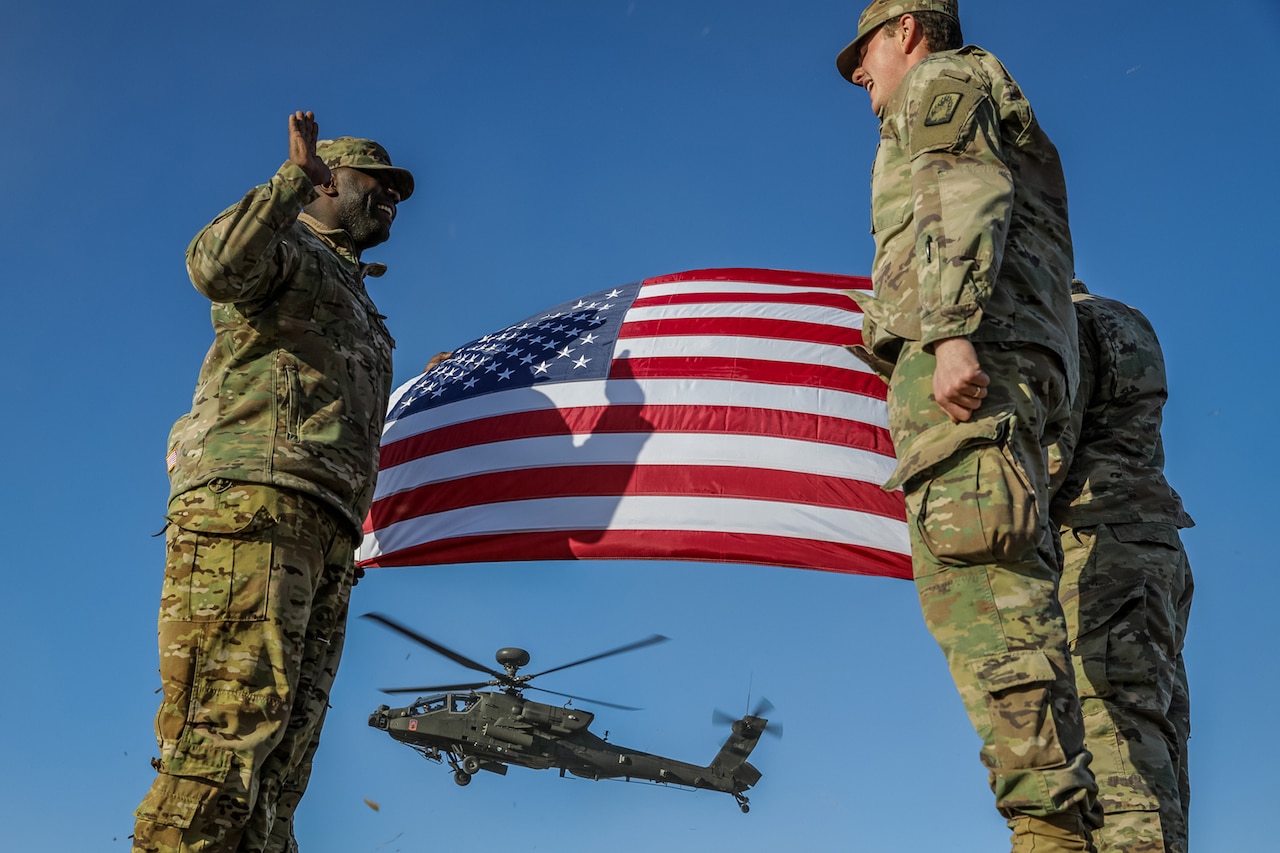
The sudden directive targeted the annual Ulchi Freedom Shield drills, a multi-day mobilization involving thousands of personnel designed to test operational readiness and alliance interoperability against persistent threats from Pyongyang. Writing on social media, Trump declared that the maneuvers were excessively costly and sent a hostile signal to North Korea, which he argued had remained respectful during his administration. He instructed Defense Secretary Pete Hegseth to downsize the operations even though the schedule was already too late to scrap entirely.
The Strategic Fallout in the Indo-Pacific
This abrupt reversal exposes deep fractures in Washington’s security architecture across Asia. For decades, the military alliance with South Korea has served as a foundational anchor for American deterrence strategy in the Western Pacific. By abruptly devaluing these drills to punish a diplomatic disagreement over Middle Eastern policy, the White House has introduced profound unpredictability into an already volatile theater.
Military planners view joint exercises not as optional bureaucratic routines, but as essential mechanisms for ensuring that distinct national armed forces can communicate, maneuver, and execute complex logistical operations under fire. When the scale of these preparations is artificially suppressed on short notice, readiness degrades. The friction is compounded by simultaneous resource strains elsewhere. With carrier strike groups redeployed to support ongoing conflicts in the Middle East, the Indo-Pacific theater faces acute capability gaps.
Transactional Diplomacy on a Global Scale
The intersection of policy toward Seoul and Tehran reveals the hyper-transactional nature of modern foreign policy execution. According to statements from the administration, Trump recently approached South Korean leadership with a direct request to participate in operations aimed at the Islamic Republic of Iran. When Seoul declined, citing its own regional security priorities and economic constraints, the response from Washington was swift and punitive.
While the administration suggested the two matters were distinct, the chronological alignment and explicit public linkage tell a different story. Allies are learning that partnership security guarantees now hinge on immediate, reciprocal compliance with global U.S. military campaigns outside the immediate regional treaty scope. This approach treats defense treaties less like permanent commitments and more like shifting commercial agreements.
The Pyongyang Equation
Layered on top of the dispute over Iran is Trump’s persistent focus on restarting direct engagement with North Korea. Labeling the defensive drills inappropriate while praising Kim Jong Un’s relative quietude marks a return to the unorthodox diplomacy of his first term. Yet, this diplomatic outreach ignores the structural reality on the ground. Pyongyang continues to advance its ballistic missile capabilities and recently resumed weapons testing in defiance of United Nations resolutions.
Critics within national security circles argue that scaling back defensive posture in exchange for unverified compliance from an adversary undermines regional stability without yielding genuine denuclearization. Lawmakers and defense analysts point out that unilateral concessions weaken the collective bargaining power of both Seoul and Washington.
As the modified exercises move forward under reduced parameters, neighboring Tokyo and other regional partners are left recalculating their own long-term dependence on American security umbrellas. The credibility of a security commitment relies entirely on its predictability. When strategic anchors are moved overnight based on grievances over unrelated geopolitical disputes, the entire alliance structure absorbs the shockwave