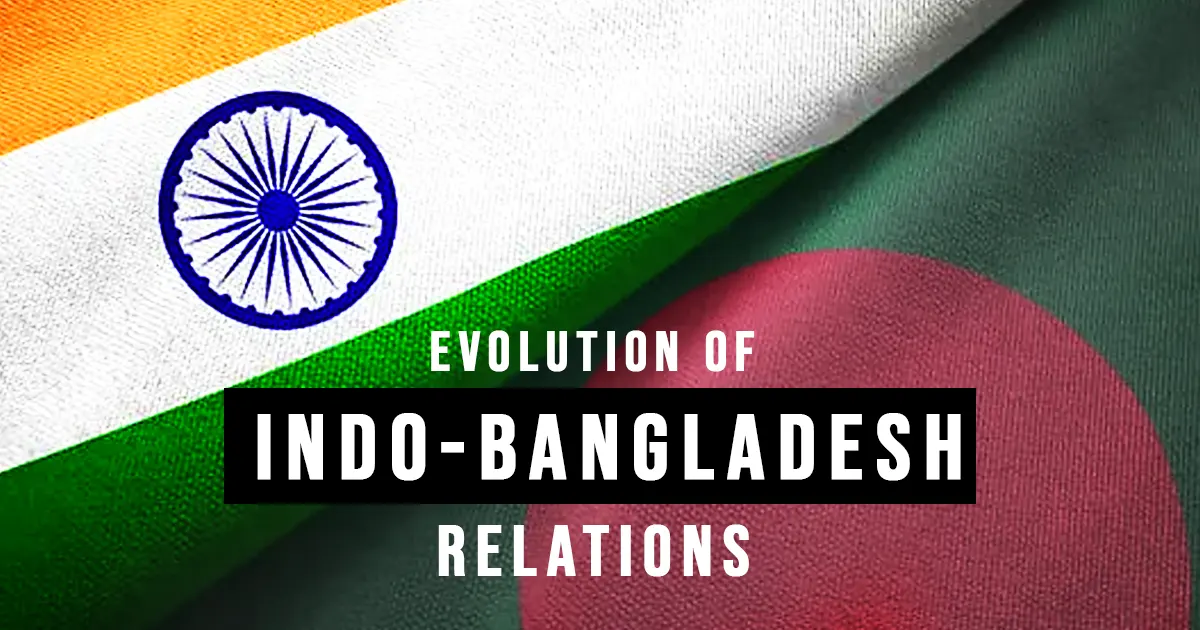
Geopolitics is often treated like a high-stakes poker game, but the current state of India-Bangladesh relations looks more like a tired game of checkers played by people who forgot the rules. Every time a high-level meeting concludes, the press releases read like a Mad Libs of diplomatic tropes. Commitment to peace. Strengthening ties. Shared history. It is a warm bath of mediocrity that ignores the tectonic shifts happening beneath the surface.
The "lazy consensus" suggests that as long as Delhi and Dhaka keep talking about connectivity and trade, the relationship is thriving. That is a dangerous fantasy. In reality, the traditional framework of bilateral cooperation is hitting a ceiling. We are watching a slow-motion collision between 20th-century bureaucracy and 21st-century regional volatility. If you think a few new rail links and a memorandum of understanding on water sharing will secure the border, you are not paying attention.
The Connectivity Trap
Diplomatic circles obsess over "connectivity." They talk about transit rights and trans-shipment as if moving a few more containers across a border constitutes a strategic victory. I have spent years watching trade corridors stall because the people designing them forgot about the "last mile" of human friction.
True connectivity is not just about laying tracks; it is about the cost of capital and the speed of clearance. Currently, the friction at the Integrated Check Posts (ICPs) is so thick you could carve it with a knife. While officials celebrate the opening of a new bridge, a truck driver spends three days waiting for a signature from a bored customs official. This is not a "deepening relationship." It is a logistical nightmare wrapped in a flag.
The competitor narrative suggests that India's investment in Bangladesh's infrastructure is a selfless act of neighborhood first policy. Let’s be blunt: it is a desperate attempt to keep pace with the massive credit lines pouring in from elsewhere. When you look at the debt-to-GDP ratios and the specific conditions attached to regional infrastructure loans, the "connectivity" story starts to look like a debt trap for the unwary.
The Water Sharing Delusion
If you want to see a masterclass in kick-the-can diplomacy, look at the Teesta River negotiations. For over a decade, we have been told a deal is "imminent." It is the diplomatic equivalent of "the check is in the mail."
The mistake isn't that the deal hasn't happened. The mistake is believing that a single treaty can solve a hydrological crisis fueled by climate change and upstream mismanagement. We are arguing over how to divide a shrinking pie while the pie itself is evaporating.
- Seasonal Variability: The flow of the Teesta during the lean season is already below what is needed for sustainable irrigation on either side.
- Siltation: Years of neglect have filled riverbeds with silt, meaning even when the water comes, it brings floods instead of life.
- Internal Politics: Federalism in India means the central government cannot simply steamroll West Bengal. Dhaka knows this. Delhi knows this. Yet, they continue to stage the same theater every year.
Stop asking when the Teesta deal will be signed. Start asking why neither side has invested in massive, joint-venture desalination or water recycling projects that would actually solve the scarcity problem. We are fighting over drops in a bucket while the bucket is leaking.
Security is a Two Way Street of Distrust
The standard line is that security cooperation is at an all-time high. It is true that the crackdown on insurgent groups has been effective. But this is a fragile peace built on the personal chemistry of leaders, not on institutionalized trust.
History shows that when regimes shift, these "unbreakable" security bonds vanish overnight. The reliance on a single political pillar in Dhaka is not a strategy; it is a gamble. If your entire regional security architecture depends on one person remaining in power, you don't have a partnership. You have a liability.
I have seen intelligence agencies claim victory because they stopped a small-scale smuggling ring, while ignoring the massive, unregulated flows of "grey market" goods that fund radicalization. The border isn't just a line on a map; it is a living, breathing economy. Until you address the economic desperation of the border populations, no amount of fencing or high-tech surveillance will stop the movement of people and contraband.
The Myth of the Trade Balance
Economists love to point at the rising trade volume between the two nations. It looks great on a bar chart. But look closer at the composition of that trade.
India exports raw materials, machinery, and electricity. Bangladesh exports garments and processed food. It is a classic hub-and-spoke model that favors the larger economy. While Dhaka has made strides in diversifying its exports, it still faces non-tariff barriers that are borderline insulting.
- Testing and Certification: Why does a product certified in Dhaka need to spend weeks in a lab in Kolkata before it can hit the shelves?
- Standardization: We talk about a South Asian Free Trade Area (SAFTA), but we treat every shipment like it’s arriving from an enemy state.
If India truly wanted a "strengthened relation," it would unilaterally remove these petty bureaucratic hurdles. But that would require standing up to domestic lobbies that prefer protectionism over regional prosperity. It is easier to sign another vague "commitment to cooperate" than it is to actually let a competitor’s product into your market.
Energy as a Leash
The recent focus on cross-border electricity trade is framed as a win-win for regional energy security. India sells its surplus; Bangladesh fuels its industrial growth. It sounds logical until you consider the leverage it creates.
Energy dependence is the ultimate form of soft-power coercion. When a nation relies on its neighbor for the very power that keeps its factories running, the "partnership" becomes a hierarchy. We are seeing the rise of "energy diplomacy" where electrons are used as bargaining chips in unrelated territorial or political disputes.
Imagine a scenario where a disagreement over maritime boundaries leads to a "technical glitch" in a trans-border power line. It has happened elsewhere in the world, and there is no reason to believe South Asia is immune to such tactics. True regional stability would come from decentralized, domestic energy production, yet the current policy pushes for more centralized, cross-border dependence.
Stop Trying to Fix the Relationship
The obsession with "fixing" or "improving" ties is the wrong approach. It implies that the relationship is broken and needs a patch. What it actually needs is an overhaul.
We need to stop looking at the border as a problem to be managed and start looking at it as an economic zone to be integrated. This means moving beyond the "Delhi-Dhaka" lens. The real action is in the border haats, the small-scale traders, and the regional supply chains that are currently being choked by red tape.
The Real Actionable Strategy
If I were advising the cabinets in both capitals, I would tell them to stop the grand summits and start the boring work of regulatory alignment.
- Mutual Recognition Agreements (MRAs): Stop re-testing everything. If it's good enough for Dhaka, it's good enough for Delhi.
- Currency Swap Arrangements: Move away from the dollar for bilateral trade. It’s an unnecessary tax on every transaction.
- Open the Skies: Why is flying from Kolkata to Dhaka often more expensive and difficult than flying to Dubai? Deregulate the regional aviation market and let the people move.
The Price of Complacency
The greatest threat to Indo-Bangladesh relations isn't conflict; it's irrelevance. As other global powers offer high-speed rail, massive digital infrastructure, and direct investment without the historical baggage, the "traditional" partnership risks becoming a relic.
We are currently witnessing the triumph of optics over substance. Every handshake is televised, every commonality is celebrated, and every deep-seated structural flaw is swept under the rug for the next generation to deal with. We are patting ourselves on the back for not being at war while missing the opportunity to build a regional powerhouse.
The status quo is a slow leak. You don't notice it until the room is underwater. We can continue to sign the same documents and mouth the same platitudes, or we can admit that the current path is a dead end. The choice isn't between friendship and hostility; it's between a meaningful alliance and a polite, protracted decline.
Stop celebrating the commitment. Start measuring the results.