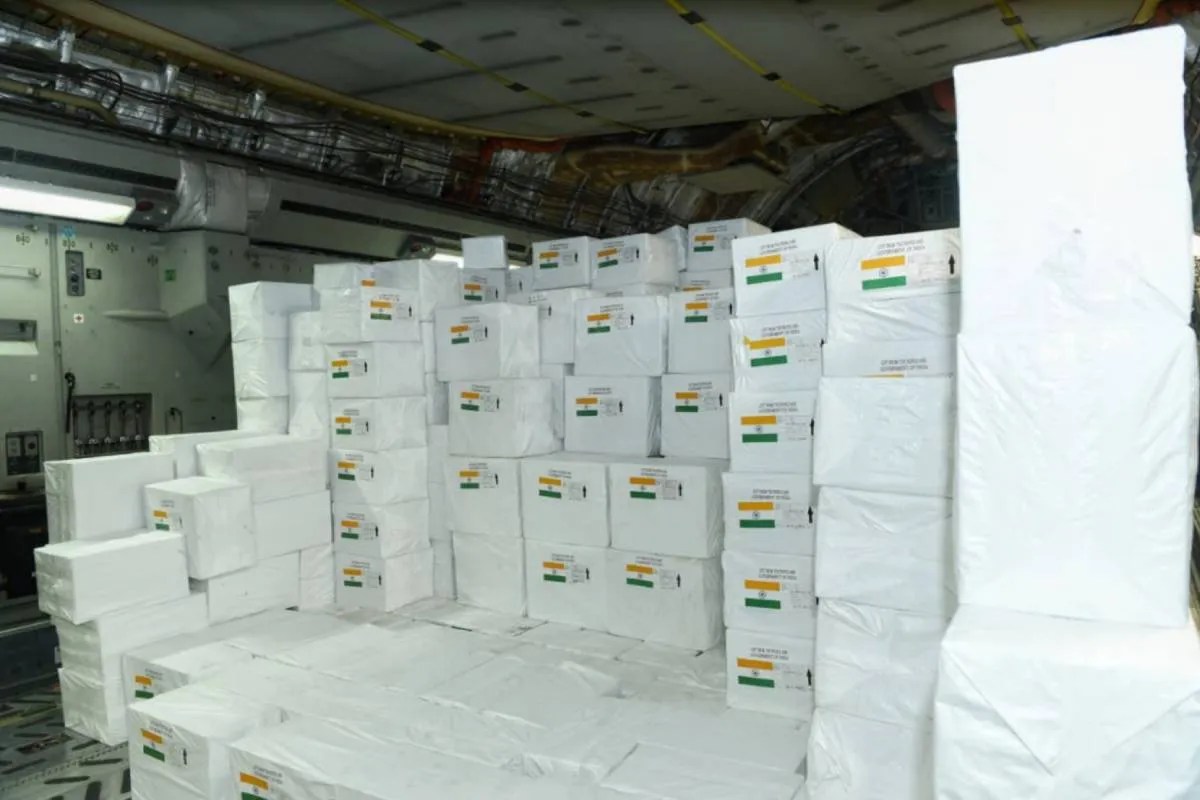
When a deadly virus breaks out, global speeches don't save lives. Boxes on planes do.
Right now, parts of Africa are facing a scary reality. The World Health Organization recently flagged the current Ebola outbreak in the Democratic Republic of Congo and Uganda as a Public Health Emergency of International Concern. This isn't the standard Ebola we have vaccines for either. It's the rare Bundibugyo strain. There's no approved vaccine for it, and there's no specific cure.
While rich Western nations often take weeks to debate funding, India just bypassed the bureaucratic gridlock. External Affairs Minister S Jaishankar confirmed that India has delivered a massive 43-tonne consignment of emergency medical supplies to the Africa Centres for Disease Control and Prevention.
This isn't just a routine donation. It's a calculated, rapid-response deployment that tells you everything you need to know about how global health diplomacy is shifting away from traditional Western superpowers.
What is Inside the 43-Tonne Emergency Medical Kit
The sheer volume of this second shipment tells a story of an escalating crisis. The first tranche, which landed in late May, was a modest 2.5 tonnes meant to plug immediate gaps. Once the Africa CDC finished a detailed boots-on-the-ground assessment of what they actually needed to survive the coming weeks, India scaled up its response drastically.
The 43 tonnes of cargo delivered to Kampala, Uganda, for distribution into eastern DRC isn't random medical surplus. The shipment contains specific, targeted gear designed to counter a highly infectious haemorrhagic fever.
- Advanced Diagnostic and Monitoring Devices: You can't fight what you can't see. Because the Bundibugyo strain mimics other tropical fevers early on, rapid testing kits and sample transport infrastructure are vital to isolate patients before they infect entire villages.
- Heavy-Duty Protective Gear: Ebola spreads through direct contact with bodily fluids. Without personal protective equipment, doctors and nurses become patients. India sent enough protective gear to keep frontline workers safe in high-risk zones.
- Therapeutics and Case Management Supplies: Since there is no silver-bullet cure for this strain, treating Ebola relies heavily on aggressive supportive care. The shipment includes essential medicines to manage symptoms and high-grade nutritional supplements to keep patients alive while their immune systems fight back.
The Strategy Behind the Bundibugyo Strain Crisis
People often mix up Ebola outbreaks, thinking a vaccine from 2014 will fix everything. It won't. The current crisis involves a strain that hasn't caused major headlines since it popped up in Uganda back in 2007.
With over 1,000 suspected cases and at least 220 deaths already recorded, health workers are operating blindly without a vaccine safety net. The transmission happens fast. Fruit bats drop half-eaten fruit, animals get infected, and hunters bring the virus into local markets. Once it hits human populations in conflict-heavy areas like eastern DRC, tracking it becomes a logistical nightmare.
India’s decision to drop these supplies directly into the Africa CDC’s Eastern Regional Coordinating Centre in Uganda is strategically smart. It bypasses the bottlenecked central ports and puts the equipment exactly where the logistics teams can push it across the border into the outbreak hotspots.
Moving Beyond Simple Charity
This move isn't just about goodwill. It's a blueprint for how India plans to cement its position as the pharmacy of the Global South. During the pandemic, we saw Western nations hoard vaccines while the rest of the world scrambled. India remembers that, and more importantly, African nations remember that.
By delivering mass quantities of medical supplies within days of an official request, New Delhi is proving that its supply chains are faster and less politically complicated than traditional international aid routes. It shows a partnership built on speed rather than conditional loans or lengthy policy lectures.
If you are planning any travel to the region, pay attention to the official alerts. The Indian government has already advised citizens to cut out non-essential travel to the DRC, Uganda, and high-risk border states like South Sudan.
If you manage logistics, pharma exports, or healthcare operations, look closely at how this shipment was assembled. The Africa CDC highlighted that the speed of delivery depended on India matching its production line directly to the field assessment data. If you want to support global health initiatives or protect your international teams, prioritize localized storage hubs and pre-verified diagnostic supply lines before an outbreak hits your region. Waiting for a crisis to build infrastructure is a losing game.