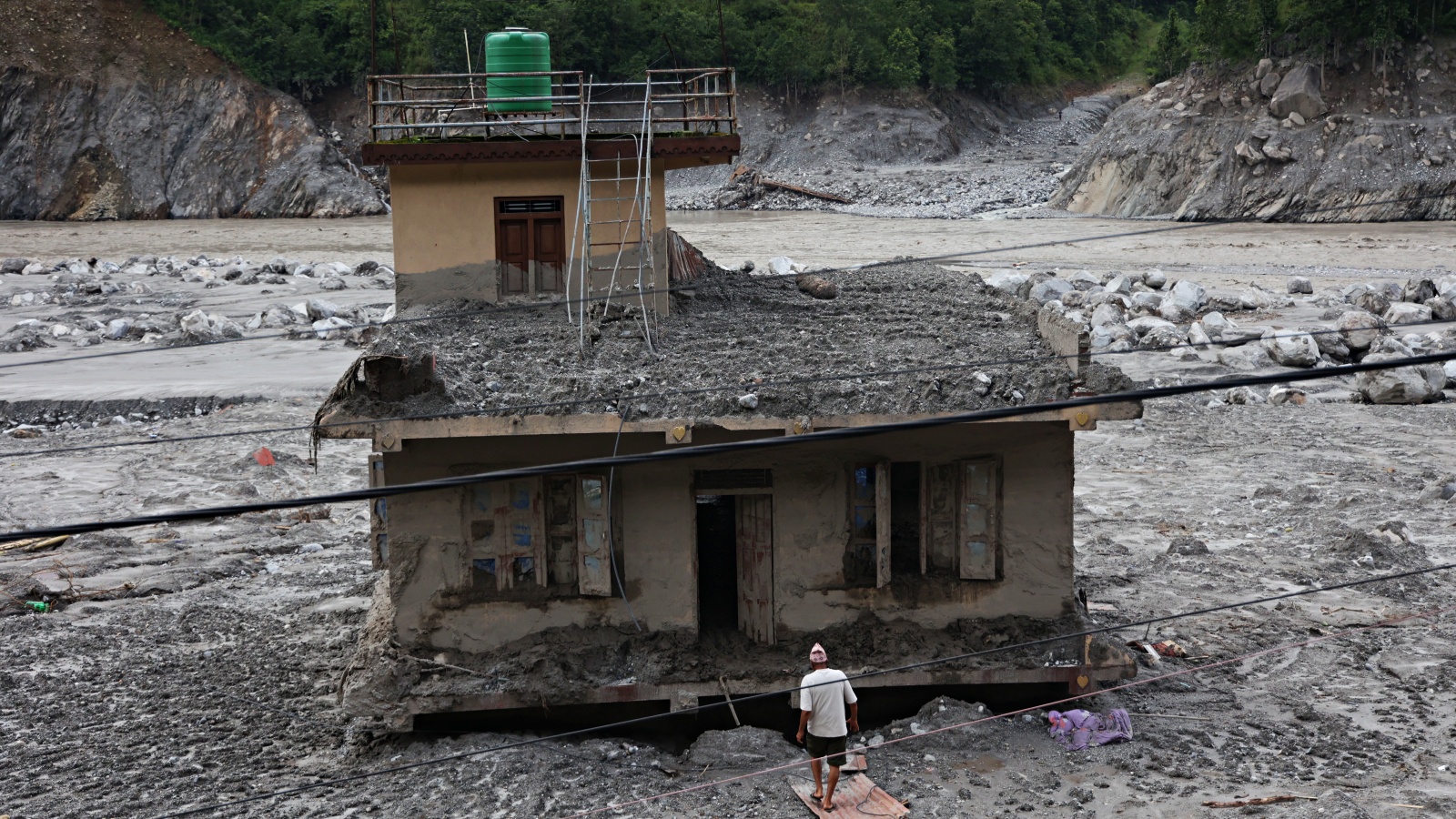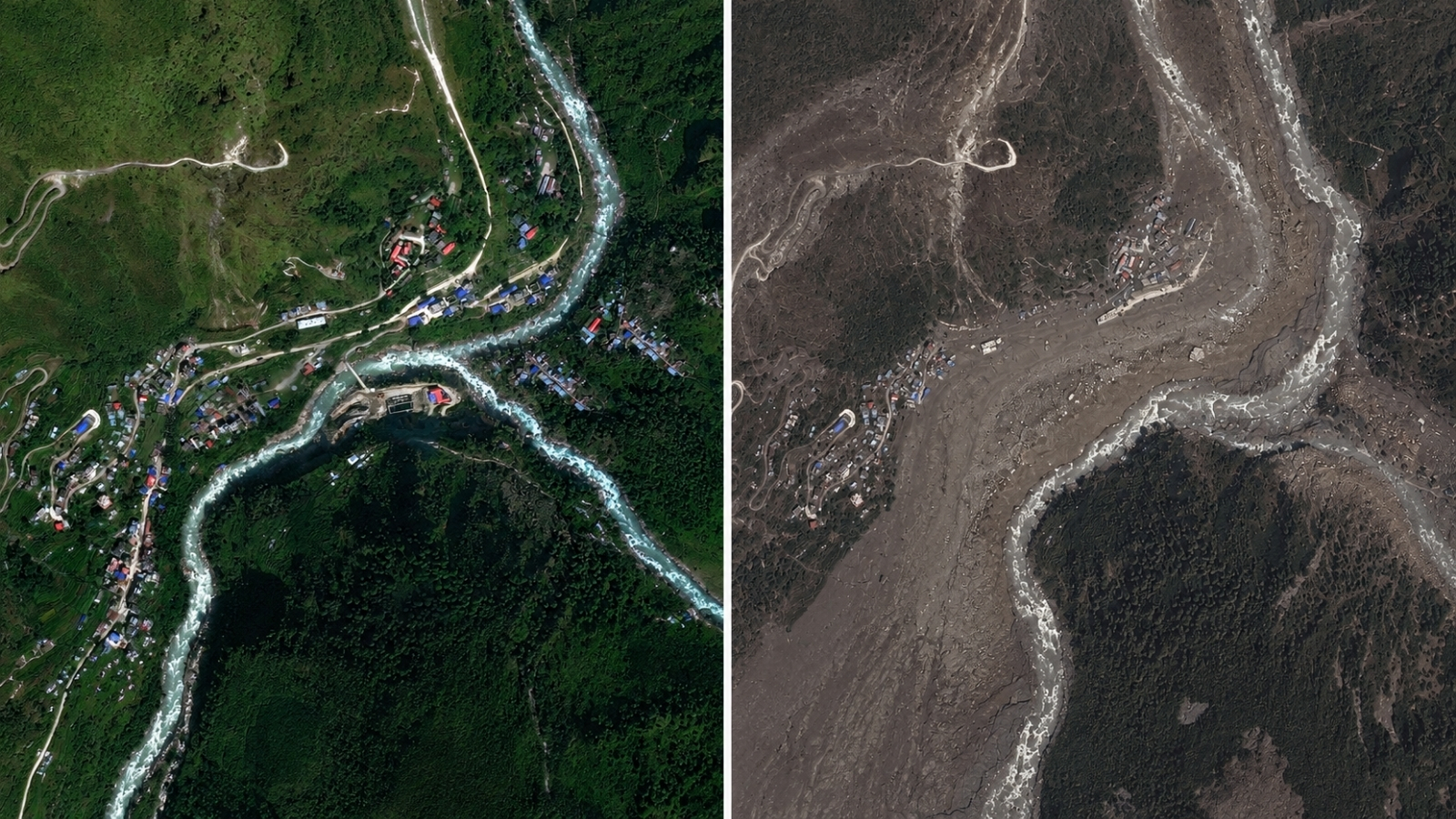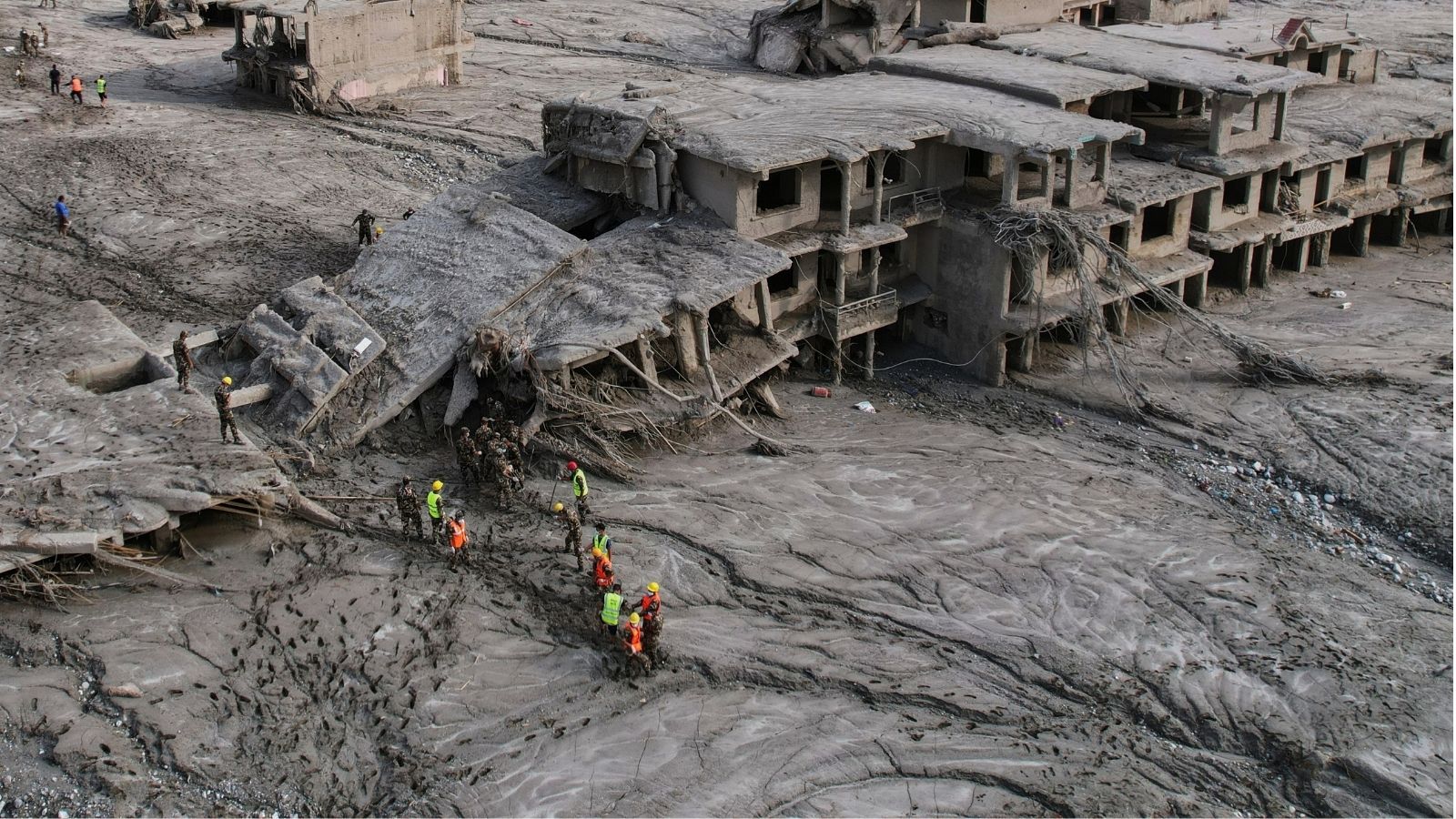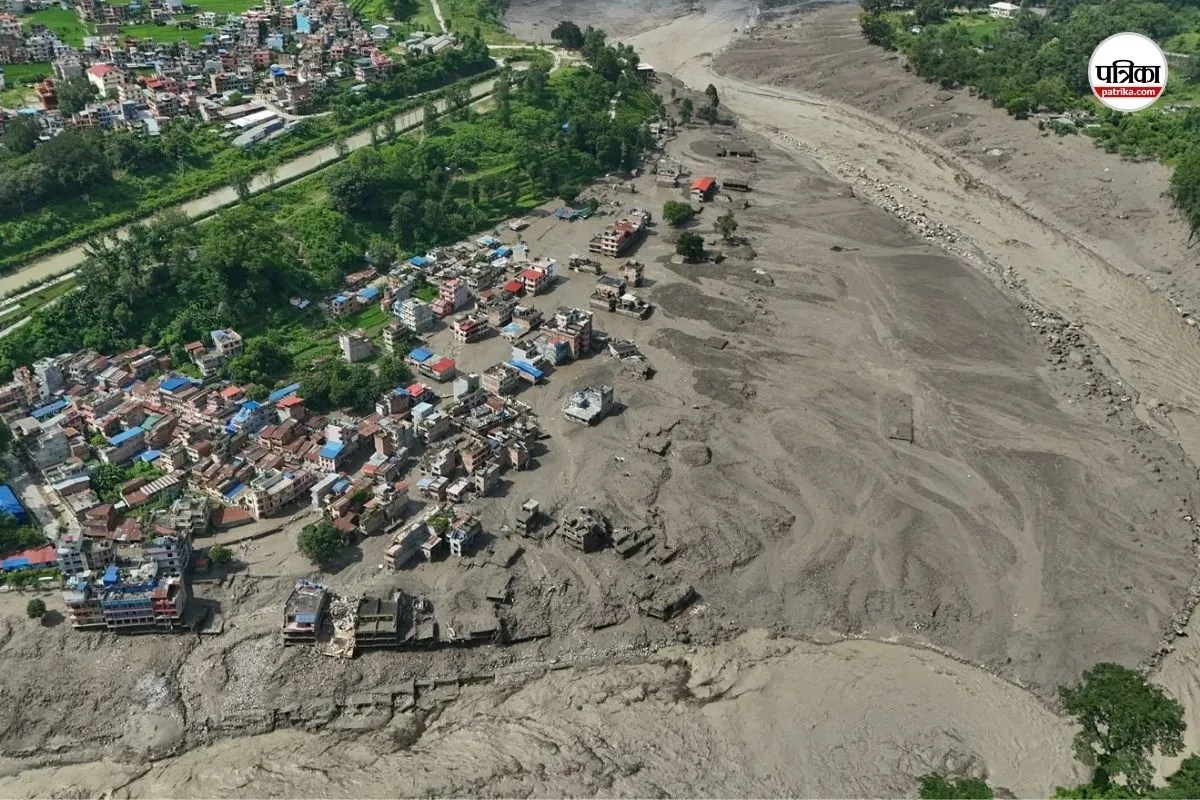
Transboundary humanitarian relief operates under severe operational constraints where political sensitivities routinely collide with immediate survival metrics. When natural disasters strike the Himalayan ecosystem, bilateral coordination between New Delhi and Kathmandu dictates the velocity and efficacy of rescue operations. The deployment of an eleven-person specialized team from India to assist in Nepal flood relief operations highlights the mechanical friction inherent in cross-border disaster management. Analyzing this intervention requires moving past superficial diplomatic pleasantries to examine the underlying structural variables of regional emergency response systems.
Natural disasters in the river basins shared by India and Nepal create immediate operational bottlenecks. Water volume spikes across the Koshi, Gandak, and Karnali river systems demand synchronized early-warning mechanisms and rapid deployment protocols. When the Indian disaster response contingent mobilized following recent flooding, the reaction from Kathmandu revealed the dual nature of such interventions. Strategic assistance is evaluated simultaneously through the lens of operational utility and geopolitical sovereignty. Read more on a similar topic: this related article.
The mechanics of disaster relief deployment depend on three critical variables: asset mobility, clearance velocity, and local integration.
Asset mobility refers to the physical capacity to transport specialized personnel, heavy extraction equipment, and medical supplies into high-risk zones. Mountainous terrain restricts logistical pipelines, turning standard deployment timelines into complex logistical hurdles. An eleven-person team represents a targeted intervention unit designed for specialized extraction or technical assessment rather than broad-scale infrastructure reconstruction. Additional analysis by Al Jazeera highlights comparable views on the subject.
Clearance velocity measures the time elapsed between disaster impact and official bilateral authorization for foreign personnel to operate on sovereign soil. Bureaucratic latency often introduces friction into emergency timelines. Diplomatic framing plays a direct role here. When Nepali leadership characterizes assistance through terms emphasizing neighborly goodwill, it signals political clearance that accelerates local administrative approvals.
Local integration dictates whether external teams operate as self-contained units or force multipliers embedded with domestic security forces. Effective cross-border relief mandates seamless interoperability between the National Disaster Response Force of India and Nepali security apparatuses. Misalignment in communication protocols or command structures diminishes the net utility of deployed assets, regardless of individual technical proficiency.
Bilateral disaster management operates within a delicate framework of asymmetry. India possesses advanced institutional capacity, specialized equipment, and financial scale in disaster response infrastructure through agencies like the National Disaster Management Authority. Nepal occupies a strategic upstream position, controlling hydrological data points and river flow management structures that directly impact downstream regions in Bihar and Uttar Pradesh.
This interdependence creates a functional imperative for cooperation that transcends immediate political friction. Downstream flood forecasting relies on real-time hydrological data transmission from upper riparian stations situated within Nepali territory. Conversely, immediate search and rescue capabilities during catastrophic flash floods often rely on the rapid deployment capacity of regional neighbors possessing heavy rotary-wing aircraft and specialized mountain rescue teams.
Evaluating the reception of foreign aid requires an understanding of domestic political optics in recipient nations. Sovereign states navigate a fine line between accepting necessary operational support and maintaining the perception of absolute administrative self-sufficiency. Public declarations from political leadership acknowledging foreign assistance as generous serve a dual purpose. They validate international solidarity while simultaneously reinforcing bilateral stability during crises.
The economic cost function of recurring Himalayan flooding underscores the necessity of moving from reactive deployment to proactive structural mitigation. Relief operations, while politically visible and diplomatically valuable, represent a high-cost, low-efficiency intervention model compared to preventative infrastructure investment. Every dollar spent on post-disaster search and extraction yields a lower long-term return than capital allocation toward watershed management, resilient housing, and automated early warning networks.
Transboundary river governance remains fragmented due to historical treaties and contemporary political divergence. Comprehensive basin-wide management plans often stall because regulatory frameworks fail to balance upstream development priorities with downstream security demands. Consequently, bilateral engagement frequently defaults to emergency response phases rather than integrated structural planning.
The deployment of small specialized teams during acute crises acts as a tactical band-aid on a systemic vulnerability. While eleven personnel can execute high-impact technical rescues or coordinate localized logistics, they cannot alter the macroeconomic or macro-environmental trajectory of regional flood vulnerability. True optimization of disaster management in the South Asian region requires institutionalizing joint task forces that operate continuously rather than ad-hoc coalitions formed in the immediate wake of disaster strikes.
Future resilience hinges on three structural upgrades to the existing bilateral framework. First, automated data-sharing protocols must bypass bureaucratic channels during extreme weather events to ensure sub-hourly hydrological updates reach downstream authorities. Second, pre-positioned equipment depots managed under joint oversight can reduce transit friction during the critical first twenty-four hours of an emergency. Third, standardized joint training exercises between Indian and Nepali first responders must become routine, establishing interpersonal and operational familiarity before disaster strikes rather than during active rescue operations.
Institutionalizing these protocols shifts the baseline of bilateral disaster management from reactive diplomacy to systematic risk mitigation, ensuring that future interventions are measured not by diplomatic gratitude, but by minimized loss of life and accelerated recovery timelines.