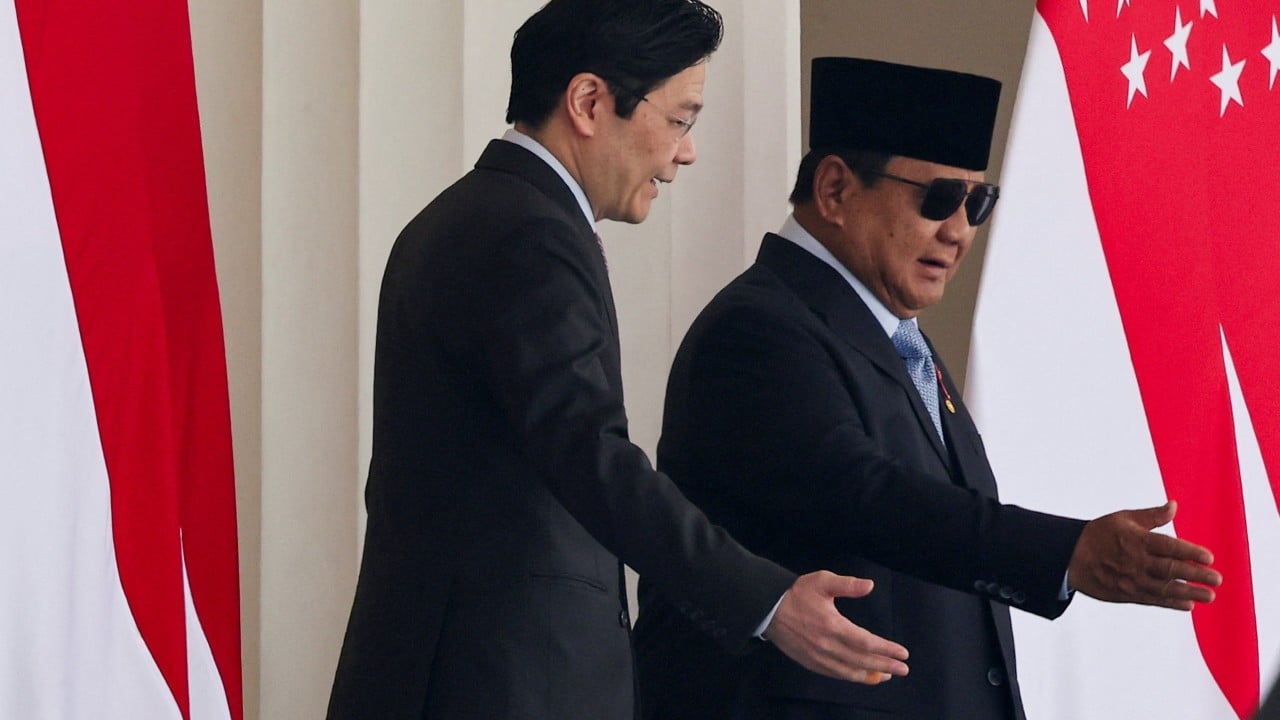
Indonesia and Singapore recently issued a joint assurance that the Malacca Strait will remain open and accessible despite rising regional tensions. It is a comforting statement designed to calm global markets. It is also a fantasy. The reality is that a diplomatic handshake cannot magically secure a 550-mile bottleneck that carries a quarter of the world’s traded goods and one-third of its global oil.
While official press releases paint a picture of seamless bilateral cooperation, the maritime industry knows better. Commercial shipping lines are facing an era of unprecedented risk where the definition of an "accessible" waterway is being stretched to its absolute breaking point.
The Fragile Anatomy of a Chokepoint
The Malacca Strait is a geographic anomaly that serves as the primary economic artery between the Indian Ocean and the Pacific. At its narrowest point in the Phillips Channel near Singapore, the shipping lane shrinks to just 1.5 nautical miles wide. This creates a natural congestion zone.
Every day, more than 15 million barrels of oil pass through this constriction point. When Indonesia and Singapore promise that the passage will remain accessible, they mean that the physical lanes will not be intentionally blockaded by local navies. They are ignoring the non-state actors, shadow fleets, and asymmetric warfare tactics that actually threaten the flow of goods.
A blockage here does not require a formal naval war. A single scuttled tanker, a well-coordinated cyberattack on regional vessel traffic services, or an escalation in state-sponsored GPS jamming could cripple the strait for days.
The Real Cost of Accessibility
For a global shipping conglomerate, an open channel is not the same as a safe channel. Insurance underwriters do not base their premiums on diplomatic communiqués. They base them on hard risk assessments.
- War Risk Premiums: Even if the strait remains technically open, a spike in regional friction causes hull and machinery insurance to skyrocket.
- Security Escorts: Ship owners are increasingly forced to hire private maritime security contractors, adding tens of thousands of dollars to a single transit.
- Speed Alterations: Vessels are burning more fuel by running hot through high-risk zones to minimize exposure times.
These costs do not vanish into the ether. They are tacked onto the price of every barrel of crude and every shipping container, driving up inflation globally.
The Shadow Fleet Threatening the Archipelago
The most immediate danger to the strait does not come from grey-hull warships. It comes from the rusting hulls of the shadow fleet. This refers to an unflagged, poorly insured network of aging tankers used to transport sanctioned oil.
Indonesia and Singapore have vastly different economic incentives when dealing with this clandestine armada. Singapore operates as a global financial and bunkering hub. It prizes regulatory compliance and international order. Indonesia, an sprawling archipelago with vast maritime borders, struggles with the sheer logistics of policing its waters.
A Regulatory Black Hole
When a shadow fleet tanker transits the Malacca Strait, it frequently turns off its Automatic Identification System to evade tracking. This turns a 300-meter vessel into a ghost ship in one of the most crowded waterways on earth.
Consider the hypothetical example of a 20-year-old, sub-standard VLCC (Very Large Crude Carrier) losing steering power in the narrowest corridor of the strait. If it collides with another vessel, the resulting oil spill would coat the mangroves of Sumatra and choke the port infrastructure of Singapore. Because these ships use labyrinthine shell companies and fraudulent insurance, there is no corporate entity to hold accountable for cleanup costs.
Local coast guards are underfunded and ill-equipped to manage a disaster of this scale. The promise of accessibility rings hollow when the physical space is vulnerable to environmental catastrophe caused by illicit actors.
The Flaw in Bilateral Defenses
Joint patrols between Indonesia, Malaysia, and Singapore have historically been credited with reducing piracy in the region. But these operations suffer from deep-seated geopolitical fault lines. Sovereign sensitivities prevent foreign navies from pursuing maritime criminals into Indonesian territorial waters, creating convenient sanctuary zones for pirates and smugglers.
+------------------------+------------------------+------------------------+
| Country                | Primary Strategic Focus| Maritime Weakness      |
+------------------------+------------------------+------------------------+
| Singapore              | Port Security & Trade  | Lack of Strategic      |
|                        | Continuity             | Depth                  |
+------------------------+------------------------+------------------------+
| Indonesia              | Sovereignty & Border   | Vast Fleet Dispersion  |
|                        | Enforcement            | Capabilities           |
+------------------------+------------------------+------------------------+
This structural mismatch leaves the door wide open for sophisticated criminal syndicates. Modern piracy in the strait has evolved past the cliché of speedboats and AK-47s. Today, it involves highly organized fuel siphoning syndicates that rely on insider corporate intelligence to target specific tankers.
The Looming Shadow of the Kra Isthmus
Frustrated by the persistent vulnerabilities of the Malacca Strait, global powers are actively looking for bypass options. Thailand’s proposed land bridge project across the Kra Isthmus is gaining renewed traction. The plan involves building deep-sea ports on both sides of the Thai peninsula, connected by a network of rail lines and pipelines.
This infrastructure would allow oil and freight to bypass the Malacca Strait entirely. While the economic viability of unloading and reloading cargo remains debatable, the mere existence of the proposal proves that the international community is losing faith in the long-term stability of the Singapore-Indonesia cooperative framework.
Weaponized Interdependence
The Malacca Strait is the ultimate example of weaponized interdependence. China relies on the waterway for roughly 80 percent of its energy imports, a vulnerability known as the Malacca Dilemma. Western strategists view the strait as a choke point that could be squeezed to cripple the Chinese economy in the event of a conflict.
This geopolitical tug-of-war places Indonesia and Singapore in an impossible position. They claim neutrality, but their maritime domain is the designated battleground for economic warfare.
"A choke point is only as free as the most powerful nation allows it to be."
If a superpower decides to enforce a blockade or a quarantine under the guise of an extended maritime security operation, local authorities lack the naval tonnage to stop them. The assertion that the passage will remain accessible ignores the reality that small nations do not dictate the rules of engagement when empires clash.
Infrastructure Can Not Hide the Friction
The port of Singapore is spending billions to expand its Tuas mega-port, beting on the permanent status quo of the Malacca trade route. Simultaneously, Indonesia is trying to develop its own competing ports along the Sumatra coast to capture a slice of the transshipment revenue.
This commercial rivalry undermines the unity required to police the strait effectively. While diplomatic offices release joint statements of solidarity, their commercial sectors are locked in a zero-sum game for maritime dominance. This economic friction slows down data sharing and delays the implementation of unified drone surveillance networks that could map the strait in real-time.
The current strategy relies on hoping that old diplomatic agreements will hold under modern strain. Hope is a terrible defense policy. To truly secure the strait, regional powers must stop issuing platitudes and start enforcing aggressive, mandatory inspections of the shadow fleet, while building a unified maritime command center that overrides sovereign pride. Until then, every transit through the Malacca Strait remains a calculated gamble.