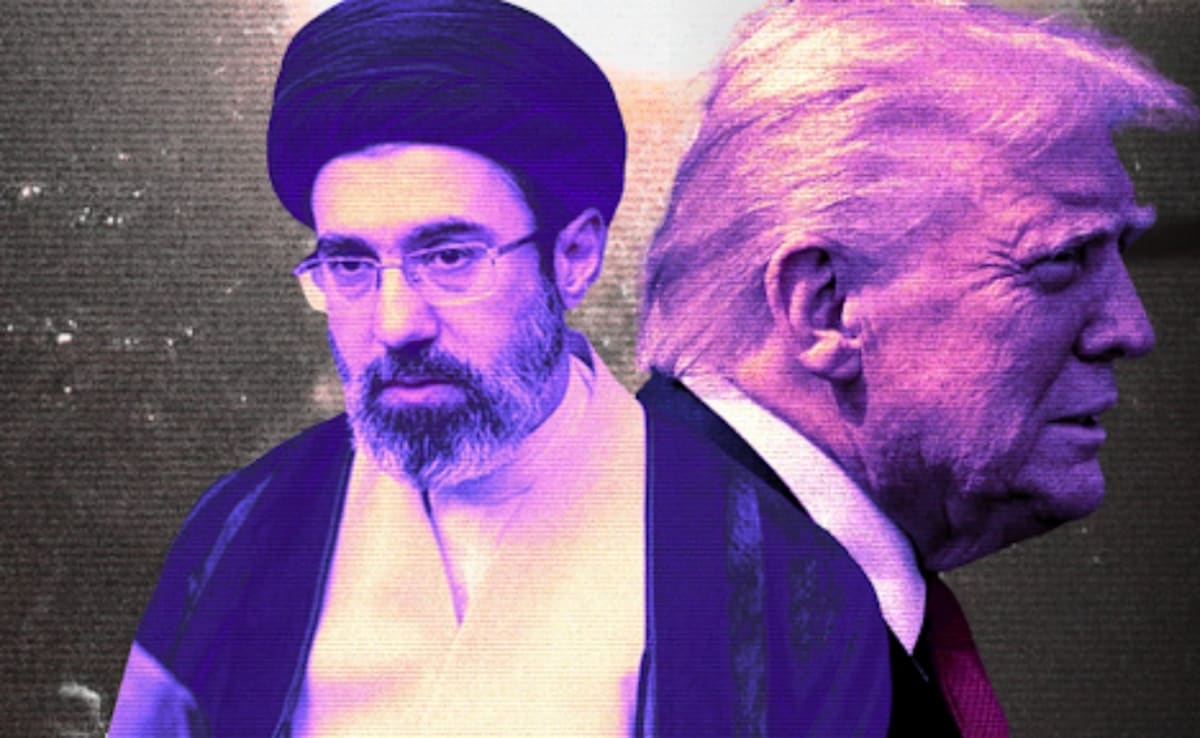
The mainstream media is obsessed with a truce. They’re salivating over the prospect of a "return to normalcy" in the Strait of Hormuz. They want the tankers moving, the insurance premiums dropping, and the geopolitical tension dialed down to a comfortable hum.
They’re wrong.
The consensus view—that a shuttered Hormuz is a catastrophic failure of global diplomacy—is a lazy reading of 21st-century energy mechanics. In reality, the prolonged closure of the world’s most famous chokepoint is the brutal, necessary catalyst the West needed to finally kill its addiction to Middle Eastern volatility. We don't need a truce; we need the discomfort to last long enough to make the old system obsolete.
The Myth of the Indispensable Chokepoint
Every analyst from D.C. to London treats the 21-mile-wide Strait of Hormuz like the jugular vein of civilization. They cite the 20 million barrels of oil passing through it daily as proof that if the gate closes, the world stops.
This is a 1970s mindset applied to a 2026 reality.
By fixating on the "crisis" of the closure, we ignore the massive, forced innovation happening on the periphery. When Hormuz stays shut, the "unthinkable" becomes the baseline.
- The Red Sea bypasses move from experimental to essential.
- East-West pipelines across Saudi Arabia, once viewed as underutilized backups, are seeing record investment.
- UAE’s Habshan-Fujairah line is no longer a "contingency"; it is the new primary artery.
The "shuttered" status of the Strait isn't a wall; it’s a filter. It is filtering out the weak players who relied on cheap, risky transit and forcing a permanent rerouting of global trade that actually bypasses Iranian influence entirely. Every day the Strait remains closed, Tehran loses its greatest bit of leverage: the ability to threaten a "shock" that the world hasn't already prepared for.
Why a Truce is a Strategic Trap
A truce extension, as currently discussed, is nothing more than a sedative. It allows the global market to fall back into a state of "just-in-time" complacency.
I’ve watched commodities desks for two decades. The moment a truce is signed, the urgency to diversify energy sources vanishes. Boardrooms pivot from "how do we survive without Hormuz?" to "how do we maximize Q4 margins using the cheapest route?"
If we "fix" the Hormuz problem now through a shaky diplomatic extension, we ensure that in five years, we will be exactly this vulnerable again. A truce doesn't solve the geography; it only masks the risk. The current friction is the only thing high enough to justify the massive capital expenditure required for total energy independence.
The Arithmetic of Resilience
Let's look at the numbers the "sky is falling" crowd ignores. Global spare capacity isn't just sitting in Saudi wells. It’s sitting in the Permian Basin, the Canadian oilsands, and the Brazilian offshore projects.
$$P_{market} = \frac{Supply_{Global} - Demand_{Global}}{Risk_{Geopolitical}}$$
When $Risk_{Geopolitical}$ in the Middle East spikes and stays high, the investment flow into $Supply_{Global}$ (Alternative) accelerates at a non-linear rate. We are seeing a historic shift where North American production and South Atlantic deep-water projects are receiving the "security premium" that used to go toward paying for naval escorts in the Persian Gulf.
By keeping Hormuz shuttered, the market is effectively taxing Middle Eastern oil. That tax is the best subsidy renewable energy and domestic extraction ever had.
The Logistics Ghost Town
People ask: "Won't the shipping industry collapse?"
The short answer: No. It’s evolving.
The "People Also Ask" sections of the internet are filled with fears about $200 oil and empty gas stations. It’s a fundamental misunderstanding of how supply chains adapt. We aren't seeing a shortage of oil; we are seeing a lengthening of the trip.
Yes, the Cape of Good Hope route is longer. Yes, it’s more expensive. But it’s also predictable.
In high-stakes logistics, predictability beats speed every single time. A ship that takes 40 days but is guaranteed to arrive is worth more than a ship that takes 15 days but might be seized by a Revolutionary Guard speedboat. By forcing the world to go around Africa or utilize overland pipelines, we are building a more expensive, yet infinitely more stable, global economy.
Iran’s Diminishing Returns
Tehran believes the shuttered Strait is their ace in the hole. They are playing a game of chicken with a world that is slowly uncoupling its car from the tracks.
Every week the truce is debated and the Strait remains "unreliable," the Iranian regime’s primary export—fear—loses its potency. We are witnessing the "normalization of the crisis." When a crisis becomes normal, it ceases to be a crisis and becomes a cost of doing business.
Once the world adjusts to a post-Hormuz reality, Iran has nothing left to threaten. They are effectively devaluing their own geography.
Stop Rooting for the Status Quo
The "expert" class wants you to fear the closure because their models can't handle volatility. They want a return to the 2010s where the U.S. Navy spent billions of taxpayer dollars to protect Chinese and European oil tankers passing through a combat zone.
Why are we so eager to go back to that?
The closure of the Strait is a stress test that the global energy market is actually passing. It is forcing the adoption of high-tech grid management, driving the expansion of the "Middle Corridor" rail lines through Central Asia, and making localized energy production a national security mandate rather than a green pipe dream.
If you’re waiting for the "extension" to bring back the world of 2019, you’re betting on a dead horse. The smart money isn't looking for a way back into the Gulf; it’s looking for the exit.
The Strait of Hormuz is a relic. Let it stay shuttered. The future is being built elsewhere.